

The art of making fluffy idlis with authentic chutney and sambar is a cherished tradition in South Indian cuisine.
These pillowy steamed cakes are beloved for their light texture and subtle tangy flavor, perfect for breakfast or as a snack.
Growing up, I remember the comforting aroma of idlis steaming in the kitchen, a staple in our family gatherings.
The combination of soft idlis with spicy sambar and creamy coconut chutney creates a harmonious trio that tantalizes the taste buds.
Whether you’re a seasoned cook or trying it for the first time, this recipe promises a delightful culinary adventure.
Dive into the world of idlis and discover why they remain an enduring favorite across generations.
Contents
- The History and Cultural Significance
- Recipe Overview
- Nutritional Information (per serving)
- Essential Equipment Guide
- Ingredients
- Preparation Methods
- Step 1: Prepare Ingredients
- Step 2: Grind the Batter
- Step 3: Ferment the Batter
- Step 4: Prepare the Idli Steamer
- Step 5: Steam the Idlis
- Step 6: Make the Coconut Chutney
- Step 7: Cook the Sambar
- Step 8: Serve the Idli with Chutney and Sambar
- Critical Timing and Temperature Guide
- Pro Tips for Fluffy Idli with
- Troubleshooting Common Issues
- Variations and Regional Differences
- Food Science Behind the Recipe
- Frequently Asked Questions
- Serving and Presentation Guide
The History and Cultural Significance
• Fluffy Idli traces its origins to the Indian subcontinent, specifically to South India, where it was originally created by ancient Tamil communities.
• The dish evolved over decades as fermentation techniques and ingredient accessibility improved, eventually becoming the beloved version we know today.
• In South Indian culture, this dish traditionally appears at breakfast and festive occasions, symbolizing purity and health.
• While many variations exist across different regions, the authentic version maintains its soft, airy texture that sets it apart from imitations.
Recipe Overview
Nutritional Information (per serving)
Essential Equipment Guide
Idli Steamer: This specific tool is important for achieving authentic results as it allows even steaming, which is crucial for the perfect texture. Alternatives like a regular steamer can work, but look for one with multiple tiers to maximize efficiency.
Blender or Wet Grinder: Essential for grinding the rice and lentils to a smooth batter, which is the foundation of fluffy idlis. Alternatives include high-powered blenders, but wet grinders are preferred for their ability to produce a finer consistency.
Fermentation Container: Important for allowing the batter to rise properly. Use a large, non-reactive bowl or container to provide ample space for expansion. Glass or ceramic is preferred over metal.
Ingredients
For the Idli Batter
|
|
| Amount | Ingredient | Notes |
|---|---|---|
| 2 cups | idli rice | provides the base for the batter |
| 1 cup | urad dal | lends softness to the idlis |
| 1 teaspoon | fenugreek seeds | enhances fermentation |
| 1 teaspoon | salt | to taste |
For the Coconut Chutney
| Amount | Ingredient | Notes |
|---|---|---|
| 1 cup | fresh grated coconut | adds creaminess |
| 2 tablespoons | roasted chana dal | provides body |
| 1 inch | ginger | adds flavor |
| 2 green chilies | for heat | |
| 1/2 teaspoon | salt | to taste |
For the Sambar
| Amount | Ingredient | Notes |
|---|---|---|
| 1 cup | toor dal | protein-rich base |
| 1 large | onion | sliced |
| 2 medium | tomatoes | chopped |
| 1 teaspoon | sambar powder | adds spice |
| 1 teaspoon | mustard seeds | for tempering |
| 1 sprig | curry leaves | for aroma |
Preparation Methods
Fermentation: This technique involves allowing the idli batter to rise overnight, which is essential for developing the light, airy texture of the idlis. Ensure the batter is kept in a warm place for optimal results.
Grinding: A key process where rice and lentils are ground to a fine paste. Consistency matters; aim for a smooth, thick batter. Use water sparingly to achieve the right texture.
Steaming: Steaming the batter is crucial for cooking without drying out the idlis. Ensure the steamer is preheated and use adequate water to maintain steam throughout the cooking process.
Step 1: Prepare Ingredients

Measure and rinse the idli rice and urad dal separately.
Soak them in water for at least 6 hours or overnight.
Add fenugreek seeds to the urad dal while soaking.
Ensure the water level is adequate to keep the grains submerged.
Step 2: Grind the Batter

Drain the soaked rice and urad dal separately.
Grind the urad dal with a little water until it becomes fluffy and smooth.
Grind the rice to a slightly gritty texture, then combine both pastes.
Mix well to form a thick, smooth batter, adding salt at the end.
Step 3: Ferment the Batter

Transfer the batter to a large bowl, leaving space for it to rise.
Cover and place it in a warm spot for 8-12 hours.
The batter should double in size and appear bubbly.
Gently stir the batter without deflating it before use.
Step 4: Prepare the Idli Steamer

Fill the steamer base with water and bring it to a boil.
Grease the idli plates lightly with oil to prevent sticking.
Pour the fermented batter into the idli molds, filling them about 3/4 full.
Position the plates in the steamer, ensuring they are level.
Step 5: Steam the Idlis
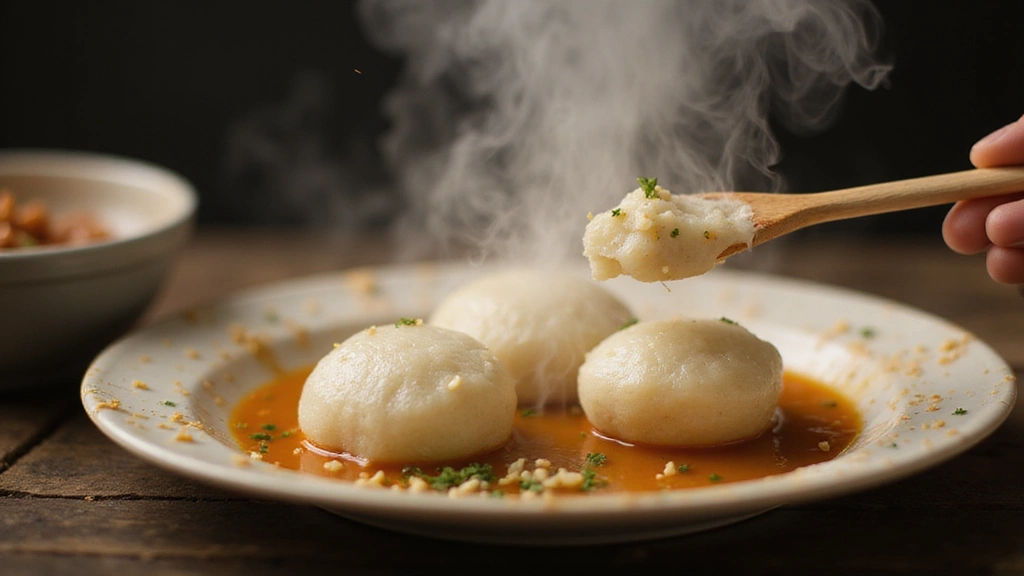
Cover the steamer and steam the idlis for 10-12 minutes.
Check doneness by inserting a toothpick; it should come out clean.
Turn off the heat and let the idlis rest for a few minutes.
Gently remove them using a spoon or knife.
Step 6: Make the Coconut Chutney

Blend the coconut, roasted chana dal, ginger, and chilies with water.
Adjust the consistency to your preference, adding more water if needed.
Season with salt and blend until smooth.
Transfer to a bowl and set aside.
Step 7: Cook the Sambar
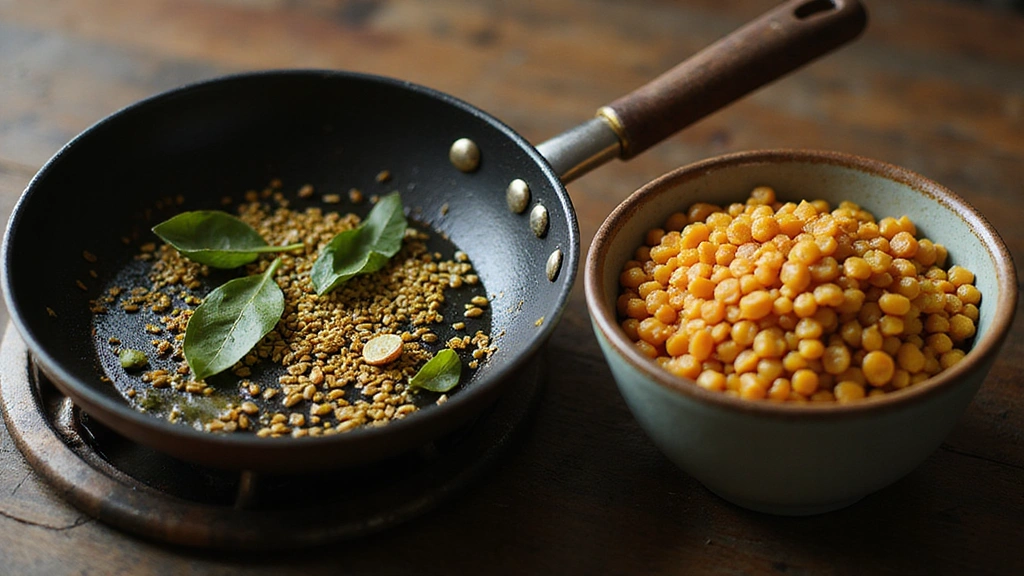
Pressure cook the toor dal with water until soft and mushy.
In a pan, heat oil and add mustard seeds and curry leaves.
Add onions and tomatoes, sautéing until soft.
Combine cooked dal, sambar powder, and simmer for flavor infusion.
Step 8: Serve the Idli with Chutney and Sambar
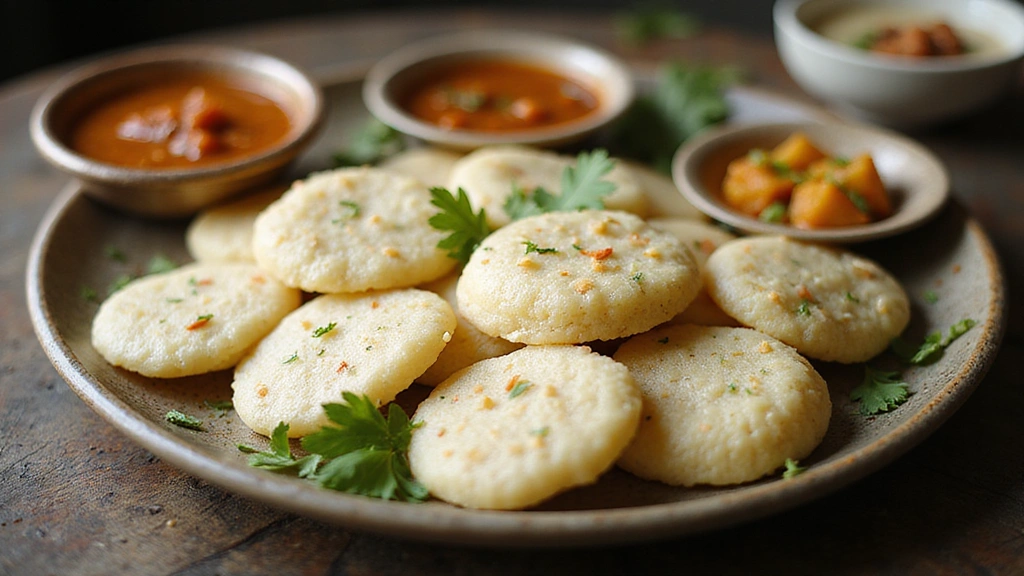
Arrange the steamed idlis on a serving plate.
Serve with a generous helping of coconut chutney and sambar on the side.
Garnish with fresh coriander if desired.
Enjoy the medley of flavors and textures.
Critical Timing and Temperature Guide
Fermentation: Allow the batter to ferment for 8-12 hours at a room temperature of 25-30°C. The batter should double in size and become bubbly. Avoid over-fermentation, which can lead to sourness.
Steaming: Steam idlis for 10-12 minutes at a constant boil. Idlis should be firm to touch and a toothpick should come out clean. Do not oversteam, as it can make them dry.
Sambar Simmering: Simmer the sambar for at least 15 minutes on low heat to meld flavors. Watch for thickening and adjust with water as needed. Avoid reheating multiple times, which can dull flavors.
Pro Tips for Fluffy Idli with
• Ingredient Selection: Choose fresh, high-quality idli rice and urad dal for the best texture. Aged rice can result in dense idlis.
• Preparation Secret: Add a pinch of baking soda to the batter before steaming for extra fluffiness, especially in colder climates.
• Temperature Management: Maintain a warm environment for fermentation; an oven with the light on works well.
• Texture Enhancement: Beat the batter gently with a ladle before pouring into molds to incorporate air and enhance fluffiness.
• Flavor Layering: Use fresh curry leaves and mustard seeds in the sambar for an authentic depth of flavor.
• Make-Ahead Strategies: Prepare the batter and chutney a day ahead; store the batter in the fridge if necessary. Bring to room temperature before use.
• Restaurant-Quality Finishing Touches: Drizzle a little ghee over the idlis before serving for a rich aroma.
• Equipment Optimization: Use a pressure cooker without the whistle as an alternative steamer for consistent results.
Troubleshooting Common Issues
• Dense Texture: Caused by insufficient fermentation or old ingredients. Ensure the batter doubles in size during fermentation and use fresh ingredients.
• Sour Taste: Result of over-fermentation. Reduce fermentation time in warmer climates and taste the batter before steaming.
• Sticking to Molds: Insufficient greasing can cause this. Thoroughly grease molds with oil or use non-stick molds.
• Flat Idlis: Batter may be too thin. Adjust consistency by adding rice flour and avoid vigorous mixing before steaming.
• Batter Not Rising: Cold temperatures can inhibit fermentation. Place batter in a warm spot or use a preheated oven (switched off) for better results.
• Uneven Cooking: Ensure water in the steamer is boiling before placing the idli trays. Rotate trays if necessary for even cooking.
Variations and Regional Differences
• Rava Idli: This version uses semolina instead of rice, offering a slightly denser texture. Often flavored with yogurt and spices.
• Kanchipuram Idli: A spiced version with black pepper, curry leaves, and ginger, traditionally served at temples.
• Sannas: A Goan variation made with toddy or yeast for fermentation, giving a slightly sweet flavor, often served with pork dishes.
• Button Idli: Miniature idlis popular in Karnataka, served with chutney or sambar in a bite-sized form.
• Poha Idli: Incorporates flattened rice (poha) into the batter for added softness and a unique taste.
Food Science Behind the Recipe
• Fermentation Chemistry: Fermentation occurs as natural bacteria and yeast consume sugars, producing carbon dioxide, which causes the batter to rise and creates the idlis' airy texture.
• Maillard Reaction: While steaming does not brown, the ingredients in sambar undergo Maillard reactions during sautéing, developing deep flavors.
• Gelatinization: The steaming process causes starches in rice to gelatinize, setting the idli structure while retaining moisture.
• Emulsification: Coconut chutney relies on emulsification, where oil and water blend to form a smooth, creamy texture.
Frequently Asked Questions
What's the most common mistake people make when preparing fluffy idlis? Not allowing sufficient fermentation time, which results in dense and flat idlis.
Can I use a regular blender instead of a wet grinder? Yes, but the texture may not be as smooth. Add water gradually for better results.
How do I prevent idlis from sticking to the molds? Thoroughly grease the molds with oil or use non-stick molds for easy removal.
Can I freeze the batter for later use? Yes, the batter can be frozen for up to a month. Thaw and ferment at room temperature before use.
How do I know if the batter has fermented properly? The batter should have doubled in size and appear bubbly with a slightly sour aroma.
What should I do if my idlis are sour? Use less fermentation time next time and check your ingredients' freshness.
Can I use brown rice for a healthier version? Yes, but expect a slightly different texture and taste. Additional soaking time may be needed.
Is it possible to make idlis without rice? Yes, alternatives like quinoa or millets can be used, but adjustments in water and fermentation may be necessary.
Serving and Presentation Guide
• Traditional Presentation: Serve idlis on a banana leaf with coconut chutney and sambar on the side, garnished with fresh coriander.
• Contemporary Style: Stack idlis neatly on a white plate, drizzle with melted ghee, and add a side of colorful chutneys for a modern touch.
• Buffet Presentation: Arrange mini idlis skewered on toothpicks with chutney dip bowls for an elegant appetizer.
• Family Style: Serve a large platter of idlis in the center with communal bowls of sambar and chutney, encouraging sharing and interaction.
Conclusion

Whether you're reliving childhood memories or exploring a new culinary horizon, making fluffy idlis at home is a rewarding experience.
With this guide, you're equipped with all the knowledge and tips to master this beloved dish.
So, gather your ingredients, set aside some time, and indulge in the delightful flavors of authentic South Indian cuisine.
Happy cooking and enjoy your fluffy idlis with delicious chutney and sambar!







I loved reading this! Making idli always seemed tricky to me, but your tips made it sound so easy. What’s your favorite chutney to pair with it?
This post made me hungry! I tried making idli once, and it turned into a pancake instead. I guess it was a ‘fluffy’ fail! Haha!