

What are the best indoor plants for low light? If you’re someone who loves greenery but struggles with dim corners in your home, this question is for you. Many people are drawn to the idea of houseplants, but the challenge of low light can make it feel impossible. That’s why knowing which plants thrive in these conditions is so important.
In this article, I’ll explore a variety of indoor plants that not only survive but thrive in lower light settings. You’ll learn about their unique characteristics, care tips, and how they can enhance your living space. Whether you’re a seasoned plant parent or just starting out, you’ll find something valuable here!
Contents
- Main Answer: What Are the Best Indoor Plants for Low Light?
- Quick Facts Summary
- Related Questions
- What Most People Want to Know
- FAQ
Main Answer: What Are the Best Indoor Plants for Low Light?
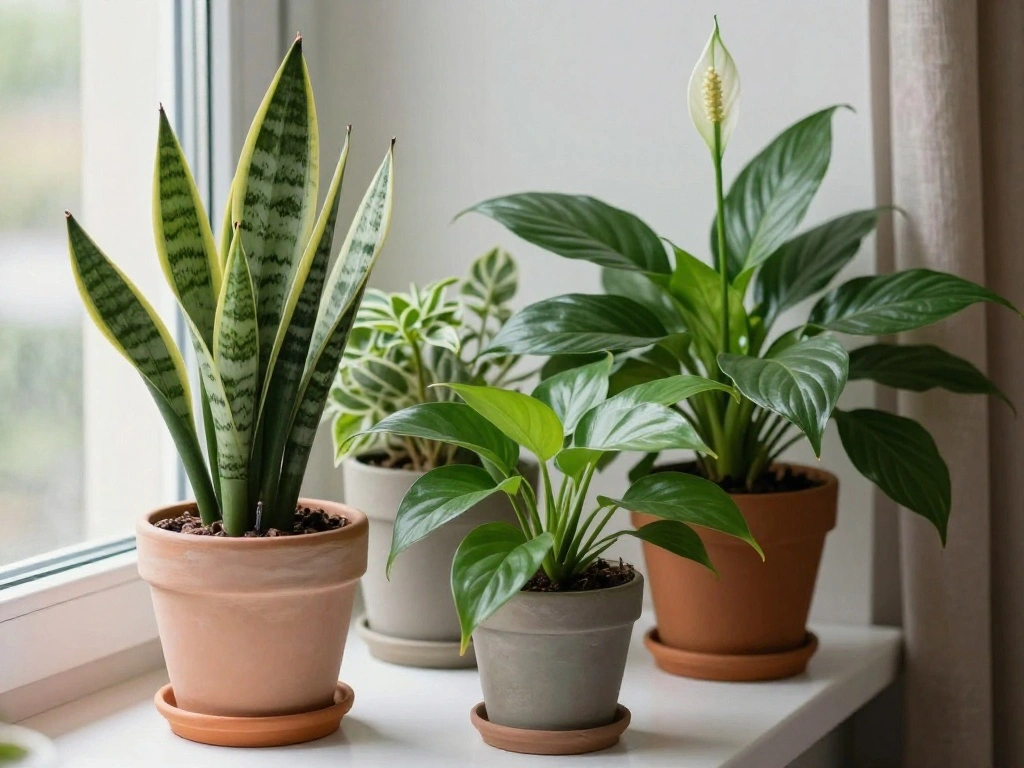
When it comes to choosing the best indoor plants for low light, there are several options that can bring life to your space without demanding too much sunlight. Let’s dive into some of my favorites!
1. Snake Plant (Sansevieria)
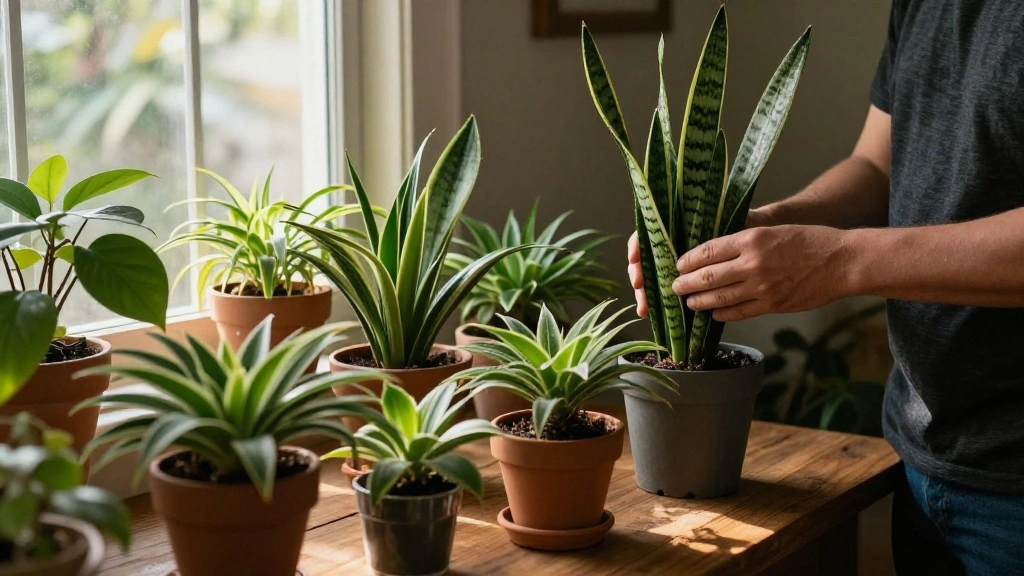
The snake plant is practically a low-light champion. It’s tough, resilient, and can survive on minimal care. Just water it when the soil is dry, and it’ll reward you with its striking upright leaves.
2. Pothos (Epipremnum aureum)
Pothos is another great choice. This trailing plant can adapt to various lighting conditions, including low light. You can let it hang down from a shelf or train it along a trellis. Plus, it helps purify the air!
3. ZZ Plant (Zamioculcas zamiifolia)
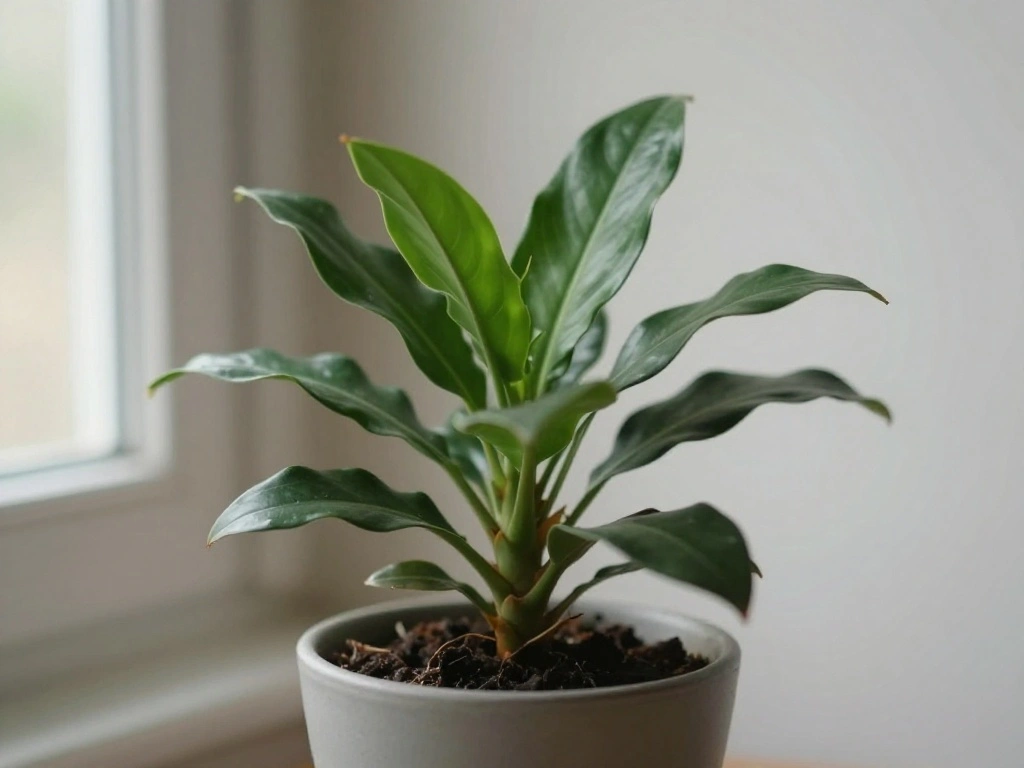
The ZZ plant is a favorite for beginners. Its glossy leaves add a touch of elegance, and it hardly needs any light to thrive. Just make sure not to overwater it!
4. Peace Lily (Spathiphyllum)
Peace lilies are not just beautiful with their white blooms; they also thrive in low light. They prefer to be a little moist, so keep an eye on the watering. They can also help filter indoor air pollutants.
- Key takeaways:
- Choose hardy plants like snake plants and ZZ plants.
- Pothos offers versatility with its trailing vines.
- Peace lilies add beauty and air purification.
Having these plants in your home can create an inviting atmosphere, even in shady spots. You’ll love how easy they are to care for, and they’ll add a refreshing touch to your decor!
Quick Facts Summary
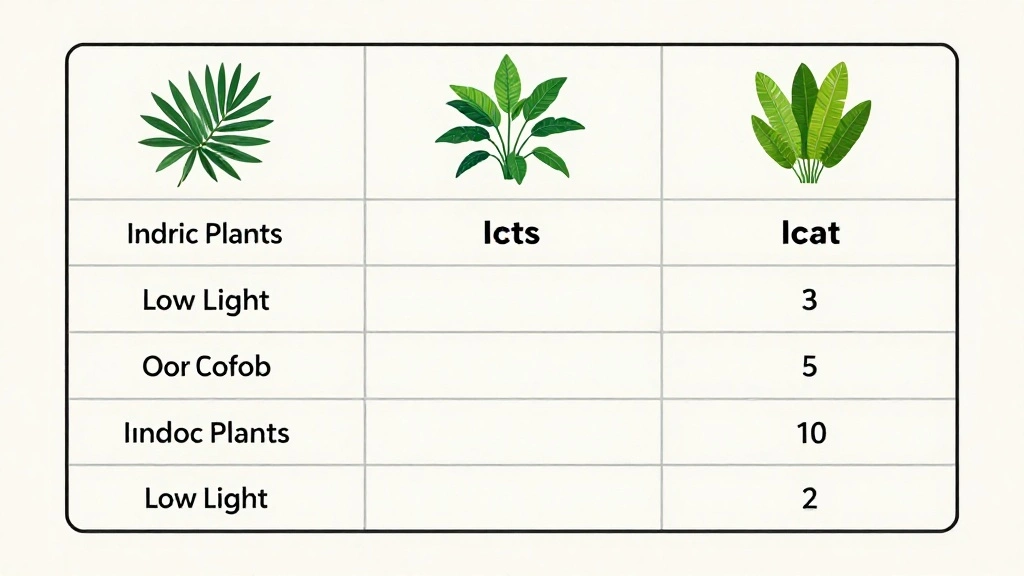
| Aspect | Details |
|---|---|
| Light Needs | Low to indirect light preferred |
| Watering | Allow soil to dry between waterings |
| Air Purification | Some plants help filter indoor air |
| Maintenance | Low maintenance, making them beginner-friendly |
| Growth Rate | Generally slow to moderate growth |
Related Questions
What should I consider when choosing low light plants?
When selecting plants for low light, consider the specific conditions of your space, like humidity and temperature. Some plants might tolerate low light but prefer a bit more humidity. Also, think about how much care you’re willing to provide, as some plants require more attention than others.
Why do some plants do better in low light than others?
Plants that thrive in low light often have adaptations that allow them to photosynthesize efficiently even in dim conditions. For instance, they may have larger leaves that capture more light or slower growth rates, enabling them to survive longer on limited resources.
How often should I water low light plants?
It’s best to let the soil dry out a bit between waterings. Most low light plants prefer slightly drier conditions, so check the top inch of soil before watering. Overwatering can lead to root rot, which you want to avoid!
Which indoor plants are the easiest to care for?
In my experience, snake plants and ZZ plants are among the easiest. They’re forgiving and can bounce back from occasional neglect. They’re perfect for anyone new to houseplants or those with busy lifestyles.
How can I tell if my low light plants are healthy?
Look for vibrant leaves and steady growth. If the leaves turn yellow or drop off, it might be a sign of overwatering or lack of light. Regularly inspect your plants, and adjust their care as needed!
What Most People Want to Know
- Are low light plants easy to care for? Yes, most low light plants are low maintenance and forgiving. They can survive even if you forget to water them occasionally.
- Can I keep these plants in a basement? If your basement has some natural light or if you provide grow lights, many low light plants can thrive there.
- Do low light plants need special soil? Typically, a well-draining potting mix works well. You can find mixes specifically for houseplants that suit low light varieties.
FAQ

- What should I do if my low light plants aren’t growing? I recommend checking the light conditions and adjusting their placement. Sometimes moving them closer to a light source can help.
- How do I prevent pests on my indoor plants? I’ve found that regular cleaning of the leaves and monitoring for any signs of pests can keep them at bay.
- When should I fertilize my low light plants? I suggest fertilizing during the growing season, usually spring and summer, with a diluted houseplant fertilizer.
- What should I do if my plant’s leaves are turning yellow? I recommend checking your watering habits. Overwatering is often the culprit, but it could also be a sign of too much direct sunlight.
- How do I propagate my low light plants? For many plants like pothos, I’ve found that taking cuttings and placing them in water can help them root easily.
- When is the best time to repot my indoor plants? I suggest doing it during the spring when they’re actively growing, as this helps them adjust better.
- What if my plant isn’t blooming? I recommend checking if it’s getting the right amount of light and nutrients. Sometimes, a little extra care can encourage blooms.
- How do I know if my plant is getting enough light? If the leaves are stretching or leaning toward a light source, it might be a sign that it needs more light.
Conclusion
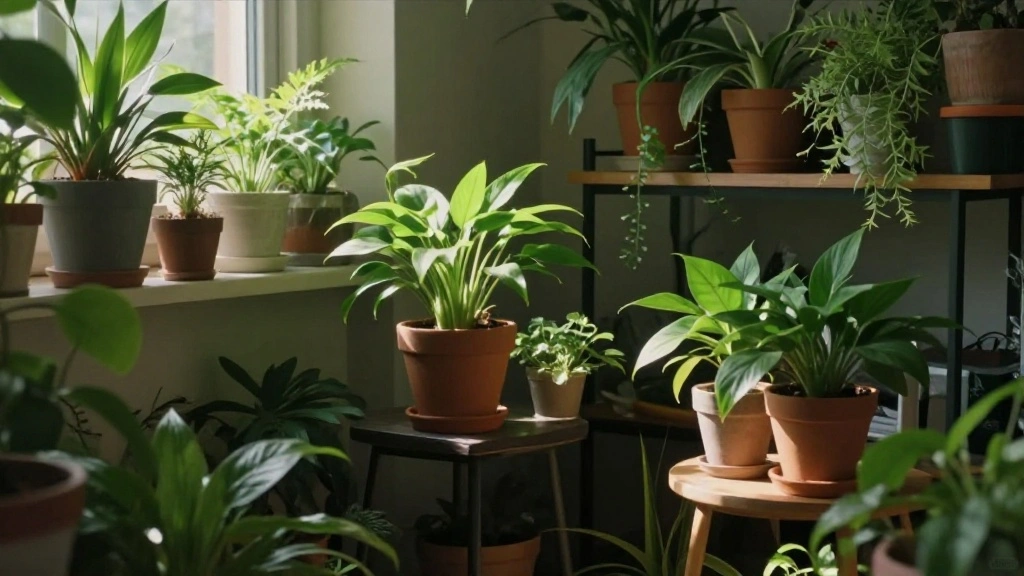
In summary, choosing the best indoor plants for low light can transform your home into a green oasis. From snake plants to peace lilies, there’s a variety of options that are easy to care for and thrive in dim conditions.
I encourage you to explore these plants and see how they can enhance your living space. Whether you’re looking to purify the air or just add a pop of green, there’s a perfect plant waiting for you. So go ahead, pick one, and enjoy the benefits of having greenery around!



I really enjoyed your introduction! It felt like a friendly chat over coffee. What inspired you to write this post?
This post was great! It reminded me of the time I tried to introduce myself at a party and accidentally spilled my drink everywhere. Talk about a memorable first impression!
Did you know that first impressions are formed within just seven seconds? Crazy, right? This post really made me think about how important those moments are!