

Creating a home that reflects your style while also caring for the planet is more important than ever. With each season, it seems like there’s a new wave of trends that promise to make our spaces feel fresh and inviting. But what if I told you that you can achieve a stunning look while also being kind to Mother Earth? That’s why I put together this list of 12 eco-friendly decor ideas that not only look great but are also sustainable.
If you love home decor and are passionate about making more responsible choices, this guide is for you. Whether you’re redecorating, moving into a new space, or simply looking to add a few touches, these ideas will resonate with your values. You’ll discover that making green choices doesn’t mean sacrificing style. Instead, it opens the door to creativity and uniqueness in your home.
By the end of this post, you’ll have a treasure trove of stylish yet sustainable decor ideas. You’ll learn about various materials, techniques, and design philosophies that can transform your space while reducing your environmental footprint. Plus, you won’t want to miss #6—it’s a game-changer!
Key Takeaways
– Explore how reclaimed wood furniture can add character and warmth to your home while saving trees.
– Discover the charm of upcycled decor, turning old items into new treasures that tell a story.
– Learn the benefits of using natural textiles like organic cotton and linen for a cozy and eco-friendly touch.
– Find out how indoor plants not only purify the air but also bring life and color to your spaces.
– Understand the impact of smart home technology in reducing energy consumption and enhancing your sustainable living experience.
Contents
- 1. Reclaimed Wood Furniture
- 2. Upcycled Decor
- 3. Natural Textiles
- 4. Indoor Plants
- 5. Eco-Friendly Paint
- 6. Vintage and Thrifted Finds
- 7. Handcrafted Art Pieces
- 8. Biophilic Design Elements
- 9. Sustainable Lighting
- 10. Minimalist Decor
- 11. Smart Home Technology
- 12. Green Upcycling Projects
1. Reclaimed Wood Furniture
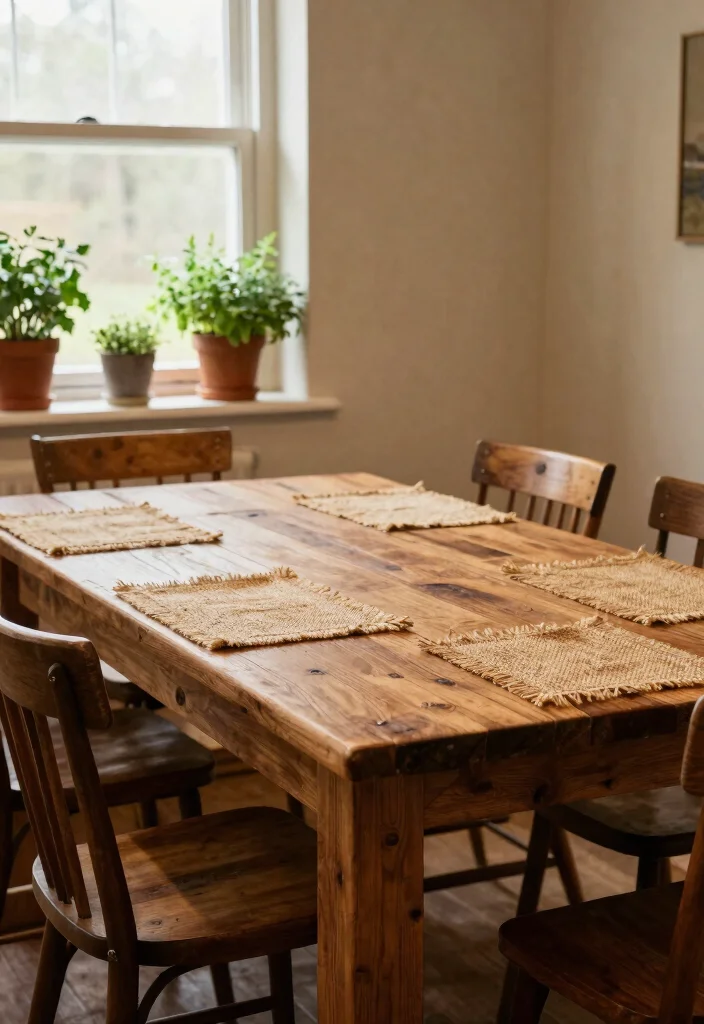
Reclaimed wood furniture is a stunning way to merge sustainability with style in your home. Each piece is rich with history, showcasing unique textures and imperfections that add warmth to any room. Whether you choose a robust dining table or a chic coffee table, reclaimed wood works beautifully in both rustic and contemporary designs, bridging the gap between past and present.
To make the most of reclaimed wood, consider practical tips for your space. Seek out local craftsmen who specialize in this type of furniture for a more personalized touch. You can also combine various wood types for an eclectic look that tells a story. Pairing these pieces with modern accents like metal or glass can elevate your decor without breaking the bank.
Consider these ideas to enhance your reclaimed wood aesthetic:
– Pair a reclaimed wood dining table with sleek metal chairs
– Install reclaimed wood shelves for a rustic touch
– Use a reclaimed wood coffee table as a centerpiece in your living room
This approach not only beautifies your space but also emphasizes the charm of natural materials, creating a cohesive and inviting atmosphere.
2. Upcycled Decor
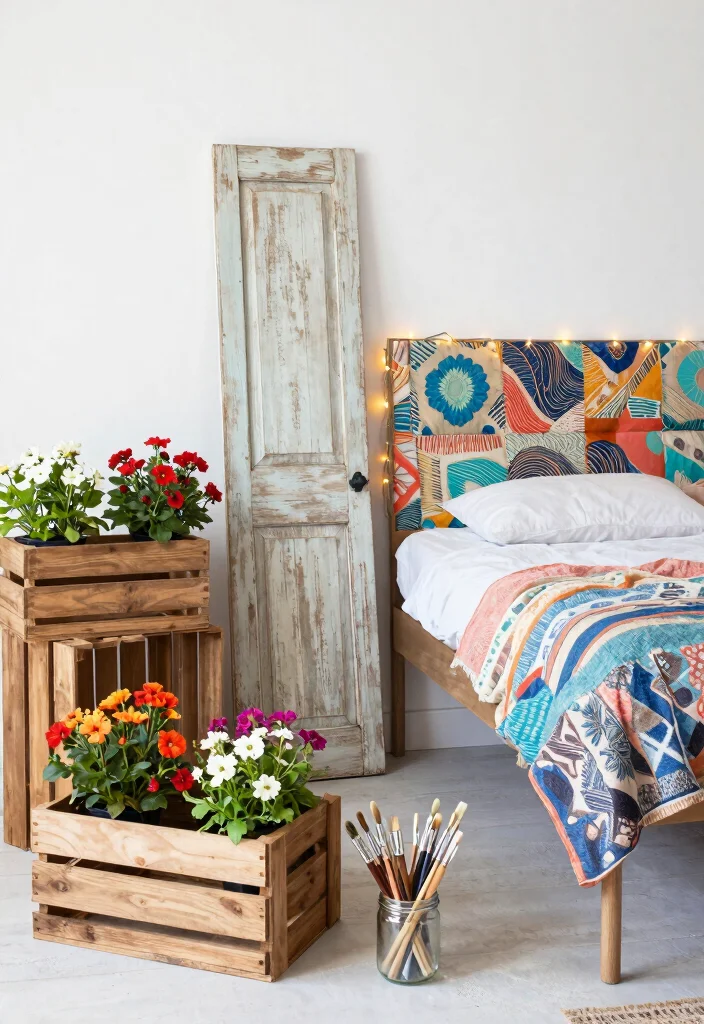
Upcycled decor allows you to creatively reuse items that might otherwise end up in a landfill, making it a stylish and eco-friendly choice for your home. From transforming glass jars into charming candle holders to repurposing wooden pallets into furniture, each project reflects your unique personality. This process not only reduces waste but also sparks creativity, giving your space a distinctive flair.
To start your upcycling journey, explore thrift stores or even your own garage for forgotten treasures. Consider using non-toxic materials like paint or fabric to refresh your creations. Mixing different styles can also add character and an artistic touch to your home, making it feel both personal and inviting.
Here are some fun upcycling ideas to inspire you:
– Create a vertical garden with old wooden crates
– Transform wine bottles into elegant vases
– Use an old door as a stylish headboard
By embracing upcycling, you not only enhance your decor but also contribute positively to the environment, showcasing your creativity and resourcefulness.
📹 Related Video: DIY Denim Butterflies – 🦋Upcycle Old Jeans into Gorgeous Decor
3. Natural Textiles
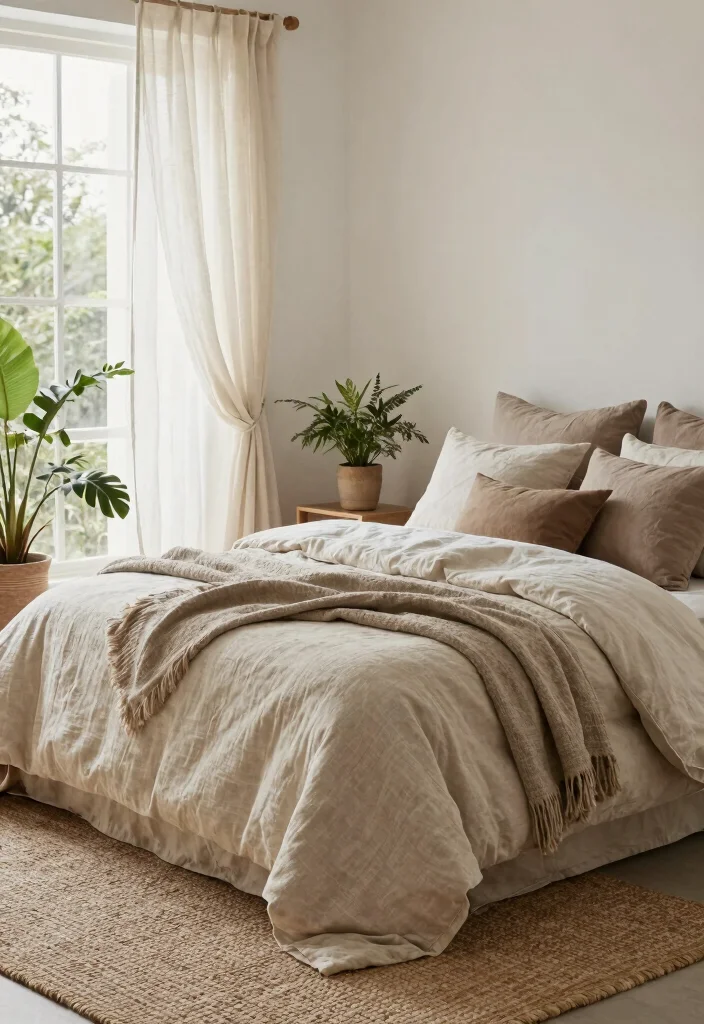
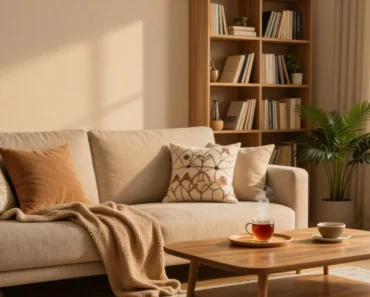
Incorporating textiles made from natural fibers like cotton, linen, and hemp can significantly elevate your home’s comfort and sustainability. These materials are biodegradable and often produced without harmful chemicals, creating a healthier environment for your family. Natural fabrics are breathable and versatile, making them perfect for every season.
For a successful textile selection, opt for organic cotton for bedding and drapes to minimize toxins in your home. Adding jute or sisal rugs can infuse a rustic charm while ensuring durability. Supporting local artisans by choosing handmade textiles enhances the authenticity of your decor and promotes fair trade practices.
Consider these tips for a harmonized textile approach:
– Stick to earthy tones with occasional bright accents
– Mix different textures for added depth and comfort
– Layer textiles to create a cozy atmosphere
This thoughtful selection of natural materials not only beautifies your space but also contributes to a tranquil and inviting home environment.
Fun fact: switching to textiles made from natural fibers can cut indoor toxins by up to 60%. Organic cotton bedding and linen drapes boost eco-friendly decor and comfort, while jute or sisal accents add natural texture for year-round style.
4. Indoor Plants
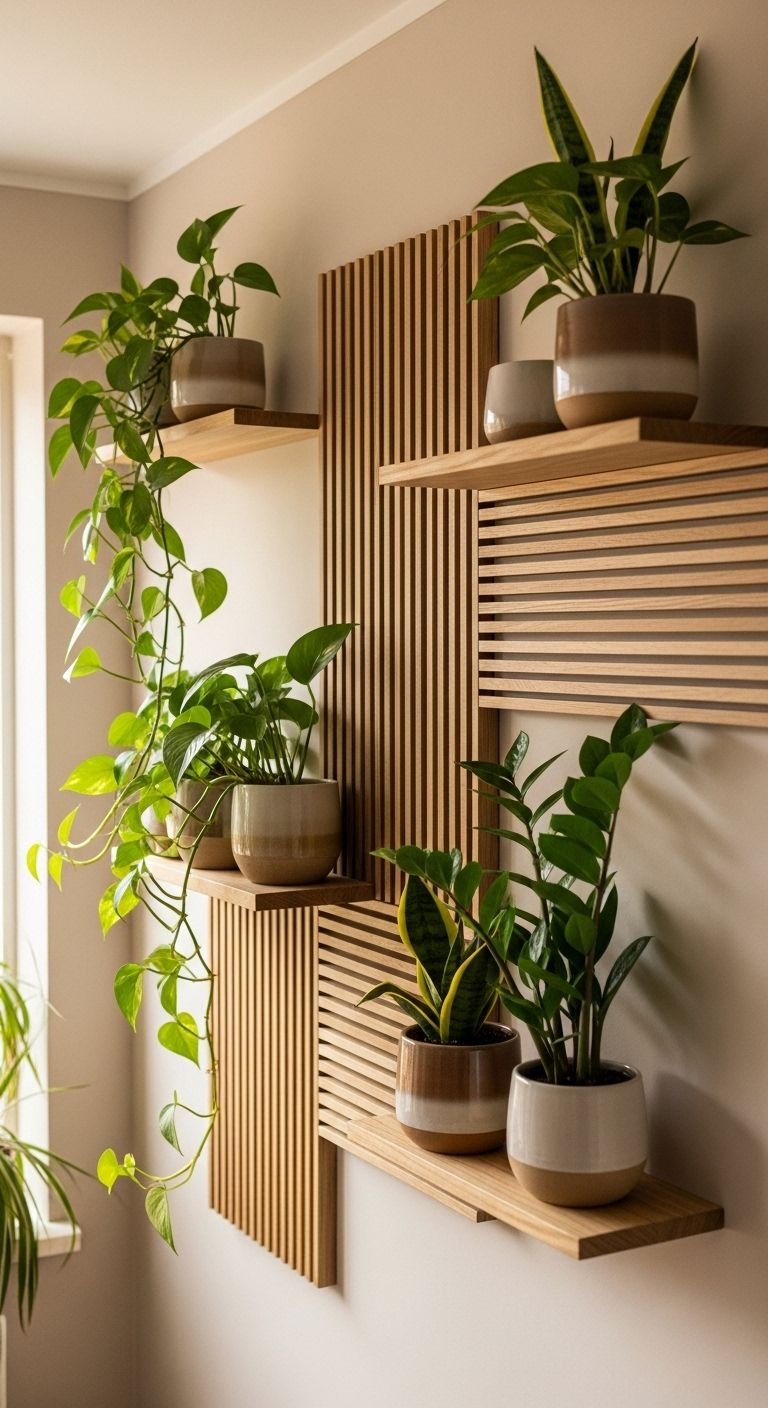
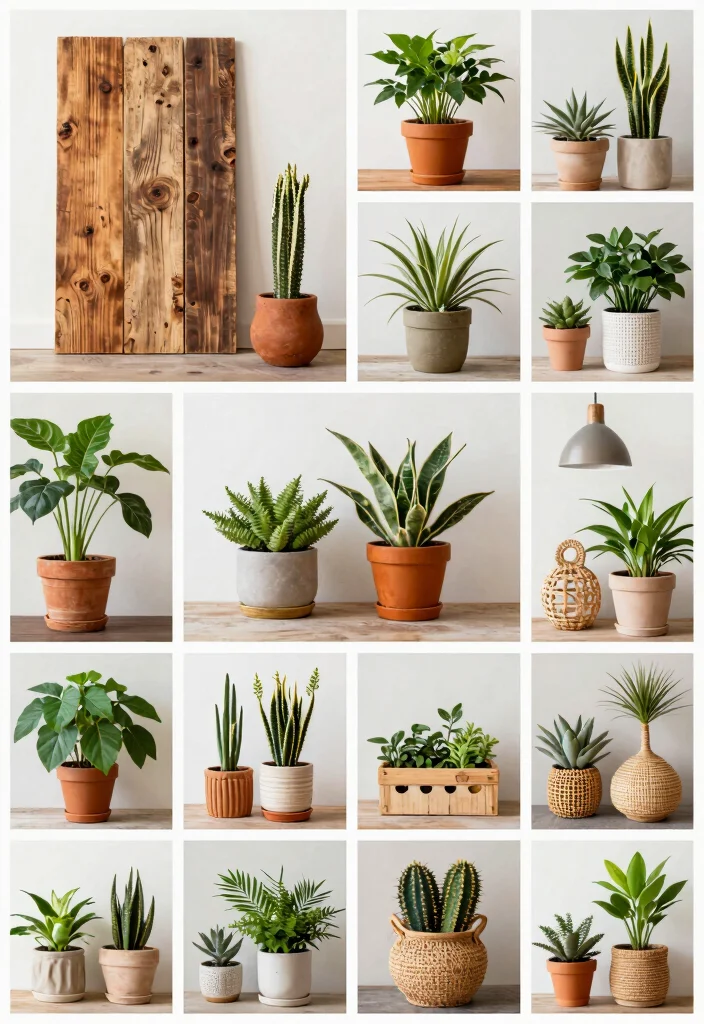
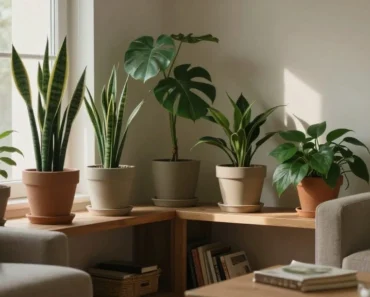
Incorporating indoor plants into your decor is one of the simplest ways to boost your home’s air quality and aesthetic appeal. These green companions not only enliven your space but also act as natural decor elements, bringing life and vibrancy to any room. Start with easy-care varieties like snake plants or pothos if you’re new to indoor gardening.
Adding plants offers numerous benefits, such as purifying the air and enhancing your mood. They also provide a calming atmosphere and can be integrated into various design styles, adding structure and interest to your decor. When choosing pots, consider mixing materials like ceramic and woven baskets for a visually engaging arrangement.
Here are some tips for styling your indoor plants:
– Use a variety of pot styles for dynamic visual interest
– Create a dedicated plant corner or shelf for a lush display
– Hang plants in macramé holders for a trendy look
By bringing the outdoors in, you enhance your living space with beauty and health benefits, enriching your environment with natural elements.
Image credit: MimiCoupon on Pinterest
How To Choose Eco-Friendly Decor
When selecting eco-friendly decor for your home, it’s essential to consider various factors. Here’s how to make informed choices that align with your sustainability goals and personal style.
1. Material
Look for materials that are renewable, recycled, or sustainably sourced. Items made from bamboo, reclaimed wood, or organic cotton are great options. Avoid products that contain harmful chemicals or are made from non-biodegradable plastics. Not only do sustainable materials reduce environmental impact, but they also often provide a unique aesthetic that adds character to your space.
2. Functionality
Consider how each piece will function in your home. Will it serve a practical purpose, or is it purely decorative? Multi-functional items are particularly valuable in eco-friendly decor. For instance, a stylish ottoman can serve as extra seating and storage. Choose pieces that enhance your space while minimizing waste and the need for additional furnishings.
3. Longevity
Opt for decor that is built to last. High-quality items may have a higher upfront cost, but they save money in the long run. Look for timeless designs that won’t go out of style quickly. Assess the craftsmanship and durability; handmade or artisanal pieces often have a unique charm and can become lasting treasures in your home.
4. Energy Efficiency
Incorporate energy-efficient lighting and appliances when selecting decor. LED bulbs, for example, last longer and consume less energy than traditional bulbs. Explore options like solar-powered garden lights or battery-operated decor that reduces energy consumption further. Making these choices not only benefits the environment but can also lower your utility bills.
5. Local Sourcing
Support local artisans and businesses by choosing decor sourced from your community. Locally made items have a smaller carbon footprint due to reduced transportation. Plus, this choice helps stimulate the local economy. Attend local craft fairs, farmers’ markets, or artisan shops to find unique, eco-friendly decor pieces.
6. Aesthetic Appeal
While sustainability is key, your decor should also reflect your style. Choose colors, patterns, and designs that resonate with your personal taste. Whether you prefer minimalism, bohemian, or rustic styles, eco-friendly options exist for every aesthetic. Mixing new eco-friendly items with vintage or thrifted pieces can create a cohesive and visually appealing environment.
Pro Tip: Before making a purchase, think about how the item fits into your overall decor theme and functionality. Keeping a mood board can help visualize how different pieces will coordinate in your space. This will ensure that your home not only reflects your commitment to the planet but also feels like a true representation of you.
By considering materials, functionality, longevity, energy efficiency, local sourcing, and aesthetic appeal, you can curate an eco-friendly decor collection that is stylish, sustainable, and a source of pride in your home.
5. Eco-Friendly Paint
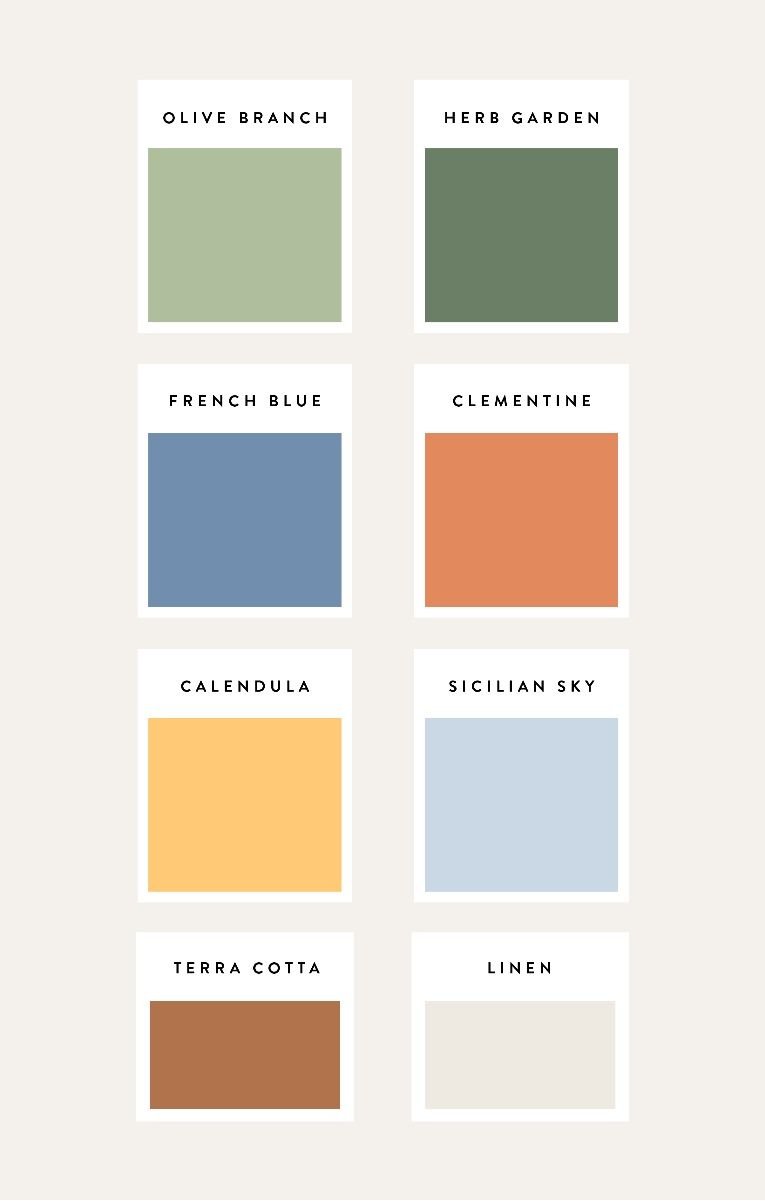
Choosing eco-friendly paint for your walls is a smart way to refresh your home while being kind to the environment. These paints have low levels of volatile organic compounds (VOCs), making them less harmful and improving indoor air quality. With a wide array of colors and finishes available, you can easily find the perfect shade for your space.
Opting for eco-friendly paint means you create a safer environment for children and pets. Many brands offer vibrant colors made from natural pigments, ensuring your home looks stunning without compromising health. Additionally, these paints often have longer-lasting finishes, reducing the frequency of repainting.
Before diving into your painting project, consider these tips:
– Test paint samples on your walls to see how they look in different lights
– Use natural brushes and rollers for a smoother application
– Ensure good ventilation while painting for a safer experience
Using eco-friendly paint not only beautifies your home but also promotes a healthier living space by minimizing harmful chemicals.
Image credit: Karissa Cardoza on Pinterest
6. Vintage and Thrifted Finds
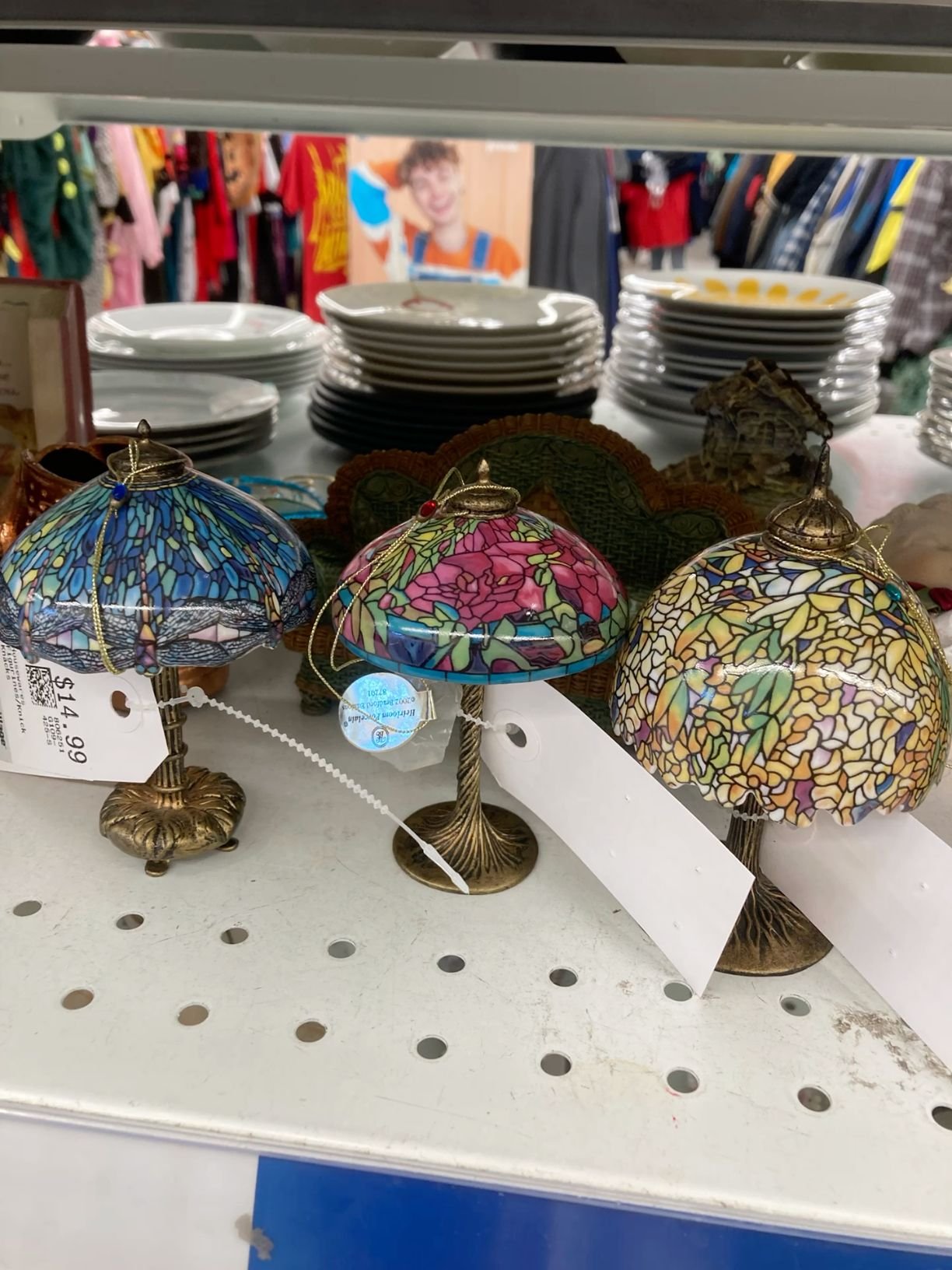
Exploring vintage and thrifted decor is a delightful way to add character and sustainability to your home. Treasure hunting at thrift stores or flea markets can yield unique pieces that contemporary decor often lacks. Each vintage item carries a story, making your home feel personalized and full of charm.
Selecting vintage decor helps reduce waste while supporting local businesses and artisans. Many vintage items are crafted from high-quality materials, ensuring durability and timeless style. Mixing these pieces with modern elements can create a balanced and visually appealing aesthetic.
Here are some tips for incorporating vintage finds:
– Mix vintage pieces with modern decor for an eclectic style
– Don’t hesitate to DIY upgrades to make items uniquely yours
– Use vintage items as focal points in your decor for added interest
Using vintage decor not only enhances your space but also gives it a narrative, creating a home that feels warm and inviting.
Image credit: ༺✿༻ on Pinterest
You might also like


7. Handcrafted Art Pieces
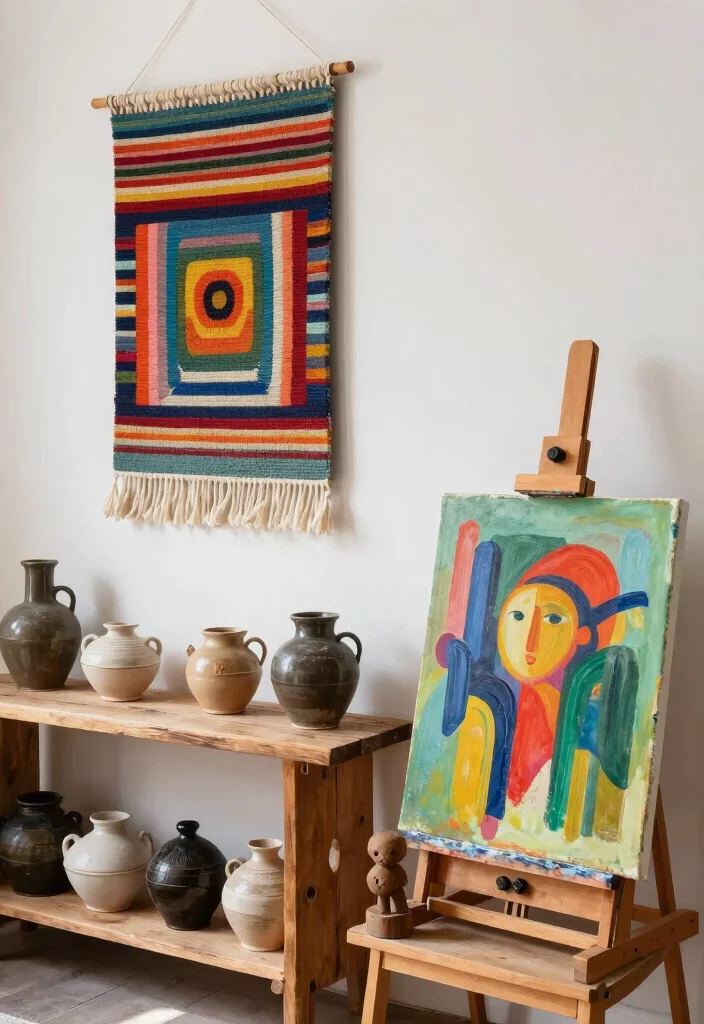
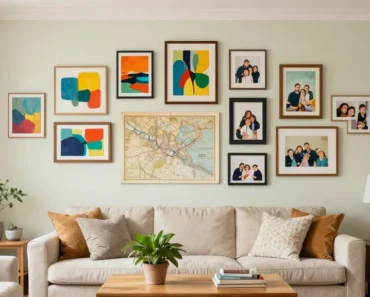
Handcrafted art pieces bring a personal touch to your home and support artisans committed to sustainability. Whether it’s unique pottery, woven textiles, or original paintings, each piece showcases the artist’s creativity and skill. These items not only decorate your walls but also tell a story, adding depth to your decor.
When choosing handcrafted items, look for local artisans to foster community support. Opt for pieces made with sustainable materials that align with your values. Selecting artworks that resonate with your personal style ensures your home reflects your individuality.
To effectively display your handmade treasures:
– Create a dedicated art wall to showcase multiple pieces
– Use stands or easels for three-dimensional art displays
– Rotate artworks regularly to keep your space feeling dynamic
Incorporating handcrafted art enriches your home with unique expressions of creativity, enhancing both beauty and meaning in your living space.
8. Biophilic Design Elements
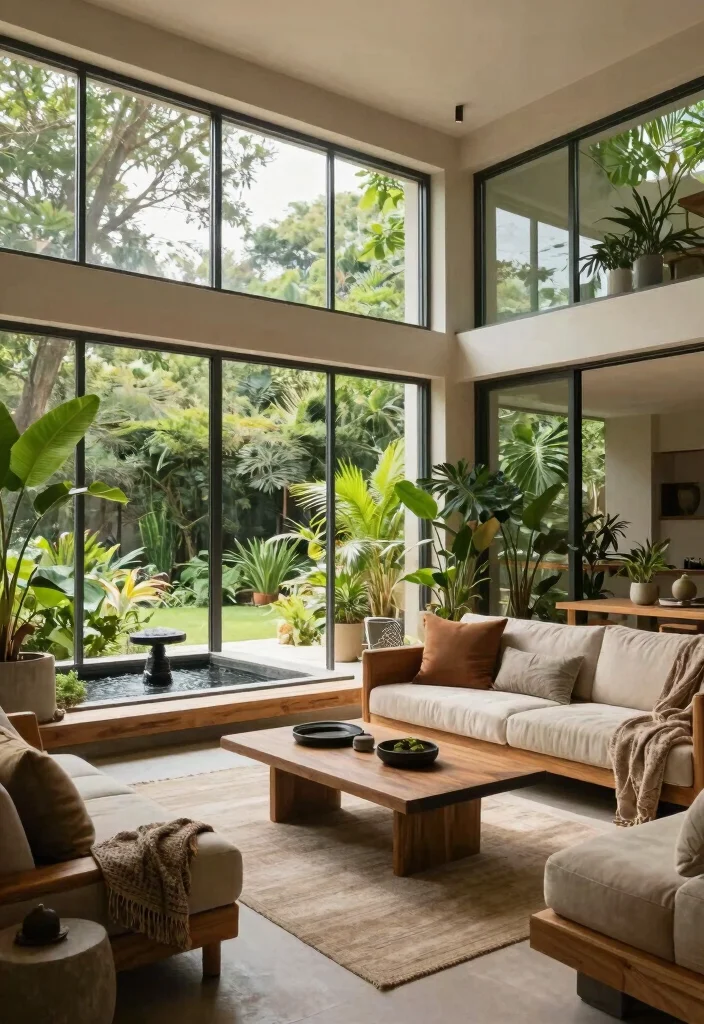
Biophilic design is all about connecting your living space to nature, promoting well-being and reducing stress. By incorporating natural materials, light, and greenery, you can create a harmonious environment that enhances both aesthetics and mental health. This approach fosters a sense of calm while beautifying your home.
To implement biophilic design, consider adding large windows that invite natural light and outdoor views. Use materials like wood, stone, and wool to create a warm and inviting atmosphere. Designing open spaces encourages airflow and light movement, contributing to a refreshing ambiance.
Here are some ideas for integrating biophilic elements:
– Choose furniture with organic shapes to mimic nature
– Use colors that reflect the outdoors, like greens and blues
– Add water features to soothe and engage the senses
By embracing biophilic design, you can cultivate a peaceful and aesthetically pleasing home that nourishes your mind and spirit.
Fun fact: Rooms with natural light and greenery can boost mood and reduce stress by up to 25%—and they look stunning. To nail biophilic design and eco-friendly decor, open windows, use wood and stone, and bring in living plants for calm, healthier living spaces.
9. Sustainable Lighting
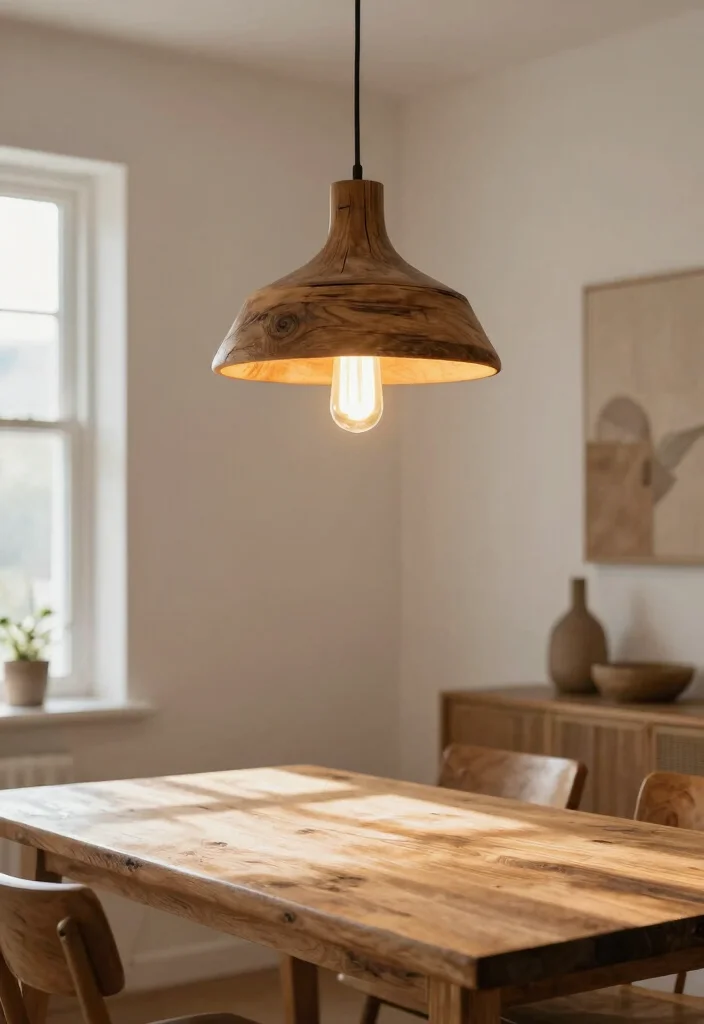
Lighting plays a crucial role in setting the mood in your home, and opting for sustainable choices is a wonderful way to enhance your decor while being eco-conscious. LED bulbs are energy-efficient and have a longer lifespan than traditional bulbs, making them a smart choice for your home. Consider fixtures made from recycled materials to further reduce your environmental impact.
Incorporating sustainable lighting allows you to control energy use effectively. Using dimmers or timers can help manage power consumption, while solar-powered lights illuminate outdoor spaces beautifully. Unique lighting designs that incorporate natural materials can also serve as standout decor pieces.
To enhance your lighting game, consider these suggestions:
– Choose warm whites for cozy areas and cool whites for task lighting
– Mix different lighting styles for a layered effect
– Use dimmers to adjust brightness based on your mood
By selecting sustainable lighting options, you can create an inviting atmosphere that is both stylish and environmentally friendly.
10. Minimalist Decor
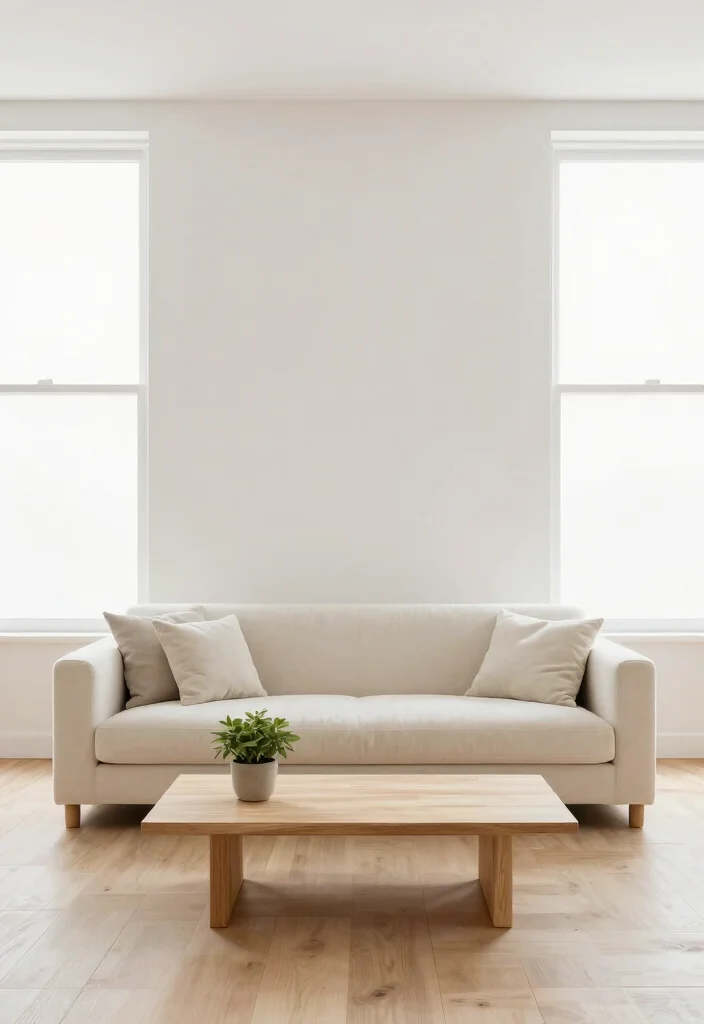
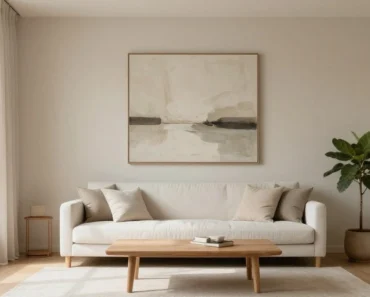
Adopting a minimalist approach to decor emphasizes quality over quantity, leading to a serene and clutter-free environment. This style focuses on curating a space that feels open and peaceful while incorporating sustainable materials and multifunctional furniture. Minimalism invites you to appreciate the beauty of simplicity in your home.
Key principles of minimalist decor include choosing a limited color palette to establish harmony and selecting durable, timeless pieces. Embracing negative space allows your decor to breathe, creating a calm atmosphere. Regularly decluttering your space can enhance this aesthetic while making it easier to maintain.
To achieve a minimalist look, try these strategies:
– Keep only what you love and need in your space
– Invest in stylish storage solutions that complement your decor
– Utilize natural light to enhance the simplicity of your design
By incorporating minimalist decor, you foster a tranquil and inviting home that celebrates the essence of simplicity.
You Might Also Like


11. Smart Home Technology

Integrating smart home technology offers a fantastic opportunity to enhance sustainability while reducing energy consumption. Devices like smart thermostats and lighting systems allow you to monitor and control energy use efficiently, promoting an eco-friendly lifestyle. These technologies not only save on utility bills but also help create a greener planet.
Consider installing smart thermostats that adjust based on your schedule for optimal energy management. Smart LED bulbs can be controlled remotely, providing flexibility and convenience. Choosing energy-efficient appliances with smart features further contributes to a sustainable home environment.
When implementing smart technology, keep these tips in mind:
– Select compatible devices for seamless integration
– Use user-friendly apps for easy control
– Choose brands that prioritize sustainability in their products
By embracing smart home technology, you can create a more efficient and eco-conscious living space that enhances your lifestyle.
12. Green Upcycling Projects
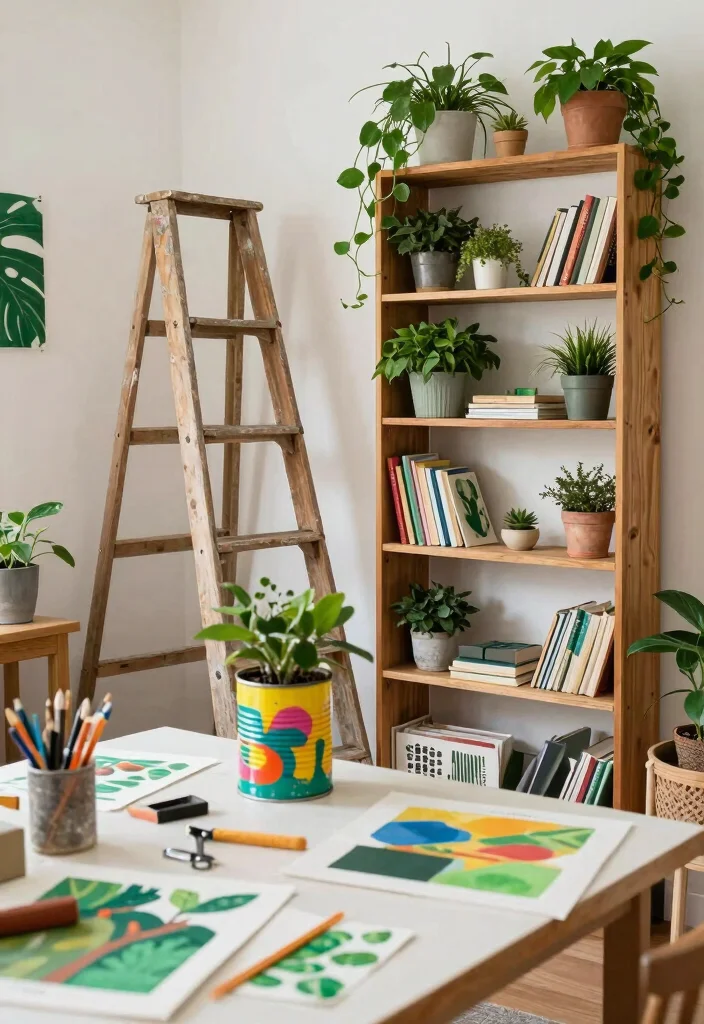
Upcycling items into new decor is a joyful and sustainable way to add a personal touch to your home. This creative process encourages you to think outside the box while minimizing waste. From turning an old ladder into a bookshelf to crafting a bulletin board from wine corks, the possibilities are endless and exciting!
To inspire your upcycling journey, gather ideas that spark your creativity. Consider converting picture frames into hanging herb gardens or creating unique lamps from vintage suitcases. Simple projects like painting tin cans can transform them into stylish planters.
Here are some tips for successful upcycling:
– Gather all supplies before starting your project
– Experiment with colors and materials to make it uniquely yours
– Share your creations on social media to inspire others
By engaging in green upcycling projects, you not only personalize your space but also contribute to a more sustainable future.
Fun fact: Upcycling home decor can cut waste by up to 60% compared with buying new. When you turn an old ladder into a bookshelf or corks into a bulletin board, you gain style and eco-friendly decor in one clever move.
Conclusion
Embracing eco-friendly decor not only enhances your home’s beauty but also contributes to a healthier planet. From reclaimed wood furniture to upcycled art, sustainable choices reflect your commitment to style and the environment. Each step towards a greener home is a step towards a brighter future. Consider which ideas resonate with you, and let your creativity shine!
Frequently Asked Questions
What exactly counts as eco-friendly decor and how do I spot truly sustainable options?
Eco-friendly decor means materials that are renewable, recycled, or reclaimed, paired with low-toxicity finishes and durable design. Look for certifications like FSC for wood, GREENGUARD for indoor air quality, and labels indicating low-VOC paints and finishes. To spot genuinely sustainable options, ask brands about material sources, supply chain transparency, and end-of-life plans. Start with one room and swap a single piece at a time to build a cohesive green look that fits your style.
Taking this approach helps you avoid greenwashing and keeps your home truly eco-friendly.
How can I achieve a stylish, sustainable look without breaking the bank?
Create a chic, eco-friendly vibe by mixing upcycled finds with durable basics. Shop secondhand or upcycle furniture, choose timeless designs, and favor natural materials like jute, linen, and cork. Invest in a few high-quality pieces that will last for years, then balance with affordable accents. Do it yourself projects such as repainting a cabinet or reupholstering a chair are great for personalization without waste. This green approach keeps your decor stylish and budget-friendly.
Consistency in materials and colors helps your space feel cohesive while staying sustainable.
What are common mistakes people make when shopping for eco-friendly decor and how can I avoid them?
Common traps include greenwashing, chasing trends instead of durability, and neglecting the end-of-life plan for items. Another pitfall is ignoring responsible packaging and shipping impacts. To avoid these, verify certifications, read material details, ask about production methods, and choose durable pieces you will keep for many years. Plan for proper disposal or donation when you refresh your space, so your purchases stay green long term.
Ask questions and prioritize items that align with a truly sustainable lifestyle.
How can I source sustainable decor from local makers and reduce transportation emissions while keeping style intact?
Shop local markets, artisan studios, and reclaimed-material boutiques to cut transport emissions and support your community. Look for locally produced textiles, wood from responsibly managed forests, and upcycled or repurposed pieces. Ask about materials and production practices, and favor items that can be repaired or refreshed rather than replaced. Building a green room starts with nearby, thoughtful choices that still elevate your aesthetic.
Local sourcing often leads to unique, story-rich pieces that feel more personal and sustainable.
What maintenance tips help extend the life of eco-friendly decor and keep my home green long-term?
Treat eco-friendly decor as an investment: clean with gentle, low-toxicity products, protect wood and textiles from sun and moisture, and repair rather than replace when possible. Create simple care guides for fabrics, finishes, and metals, and store seasonal items properly to extend their life. Regular checks for wear and gentle upcycling ideas will keep your green home fresh without unnecessary waste.
Small, proactive maintenance adds up to big sustainability gains over time.
Related Topics
eco-friendly decor
sustainable home
green living
budget friendly
DIY decor
minimalist design
upcycled materials
modern rustic
indoor plants
quick tips
beginner friendly
seasonal decor



I love these eco-friendly decor ideas! I recently tried making my own plant hangers from old t-shirts, and it turned out pretty well! What’s your go-to DIY project?
These tips are awesome! I once tried to make a terrarium, but I accidentally turned it into a mini swamp. My plants did not appreciate my skills! 😂
Did you know that using bamboo for decor can help reduce plastic waste? It’s such a cool material and looks great too!