

Discovering the art of making fluffy idlis accompanied by chutney and sambar is a journey into the heart of South Indian cuisine.
The delicate, steamed rice cakes are known for their light texture and subtle flavor, making them a beloved breakfast staple.
Paired with tangy chutney and spicy sambar, idlis offer a harmonious blend of flavors and textures that are both satisfying and nourishing.
This dish is a testament to how simplicity in ingredients can lead to complexity in taste, embodying the essence of comfort food.
Whether you’re enjoying them for breakfast or as a light meal, idlis are a delightful culinary experience that never fails to impress.
Contents
- The History and Cultural Significance
- Recipe Overview
- Nutritional Information (per serving)
- Essential Equipment Guide
- Ingredients
- Preparation Methods
- Step 1: Soak Ingredients
- Step 2: Grind the Batter
- Step 3: Ferment the Batter
- Step 4: Prepare the Idli Steamer
- Step 5: Pour Batter into Moulds
- Step 6: Steam the Idlis
- Step 7: Prepare the Chutney
- Step 8: Cook the Sambar
- Step 9: Unmould and Serve Idlis
- Critical Timing and Temperature Guide
- Pro Tips for Fluffy Idlis
- Troubleshooting Common Issues
- Variations and Regional Differences
- Food Science Behind the Recipe
- Frequently Asked Questions
- Serving and Presentation Guide
The History and Cultural Significance
• Fluffy Idlis trace their origins to ancient South India, where they were originally created by culinary artisans.
• The dish evolved over decades as fermentation techniques improved, eventually becoming the beloved version we know today.
• In Tamil culture, this dish traditionally appears at breakfast and special occasions, symbolizing hospitality and nourishment.
• While many variations exist across different regions, the authentic version maintains its characteristic fluffiness that sets it apart from imitations.
Recipe Overview
Nutritional Information (per serving)
Essential Equipment Guide
Steamer: A critical tool for cooking idlis as it ensures even cooking and helps achieve the desired fluffy texture. Alternatives like a pressure cooker without the whistle can work, but ensure even heat distribution.
Blender or Grinder: Essential for grinding rice and lentils to a smooth batter, which is crucial for fluffy idlis. Look for a powerful motor and a large capacity to handle the ingredients effectively.
Idli Moulds: These are specially designed to shape idlis during steaming. Non-stick versions help in easy removal of idlis, while traditional stainless steel ones provide authentic results.
Ingredients
For the Idlis
|
|
| Amount | Ingredient | Notes |
|---|---|---|
| 1 cup | rice | soaked for 4-6 hours |
| 1/4 cup | urad dal | soaked for 4-6 hours |
| 1/2 teaspoon | salt | enhances flavor |
For the Chutney
| Amount | Ingredient | Notes |
|---|---|---|
| 1 cup | coconut | grated |
| 2 tablespoons | roasted chana dal | adds texture |
| 1 teaspoon | tamarind paste | adds tanginess |
For the Sambar
| Amount | Ingredient | Notes |
|---|---|---|
| 1 cup | toor dal | cooked until soft |
| 1 medium | onion | chopped |
| 2 medium | tomatoes | chopped |
| 1 tablespoon | sambar powder | adds spice |
Preparation Methods
Fermentation: This process is crucial for achieving the fluffy texture of idlis. It involves allowing the ground batter to sit at room temperature, enabling natural yeast to develop. Ensure a warm environment for optimal results.
Grinding: Proper grinding of rice and dal is essential for the perfect idli batter. Use a wet grinder or high-power blender to achieve a smooth consistency. Gradual addition of water helps in reaching the right texture.
Tempering: A technique used in preparing chutney and sambar, where spices are fried in oil to release their flavors. This step adds depth and aroma to the dish, enhancing the overall taste.
Step 1: Soak Ingredients
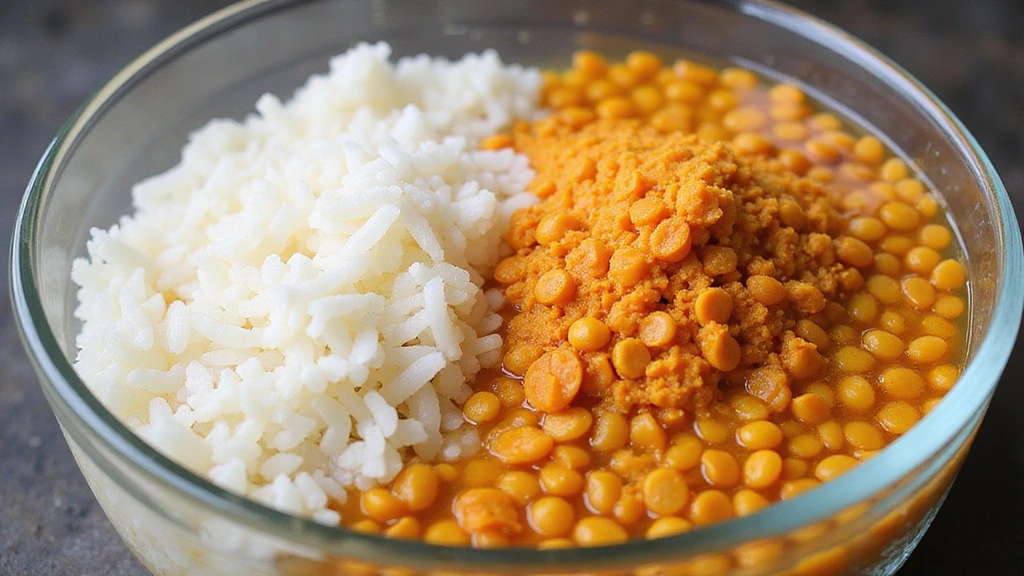
Rinse the rice and urad dal thoroughly under running water.
Soak them separately in ample water for 4-6 hours.
Ensure the water level is a few inches above the ingredients.
This step is crucial for softening the grains for grinding.
Step 2: Grind the Batter
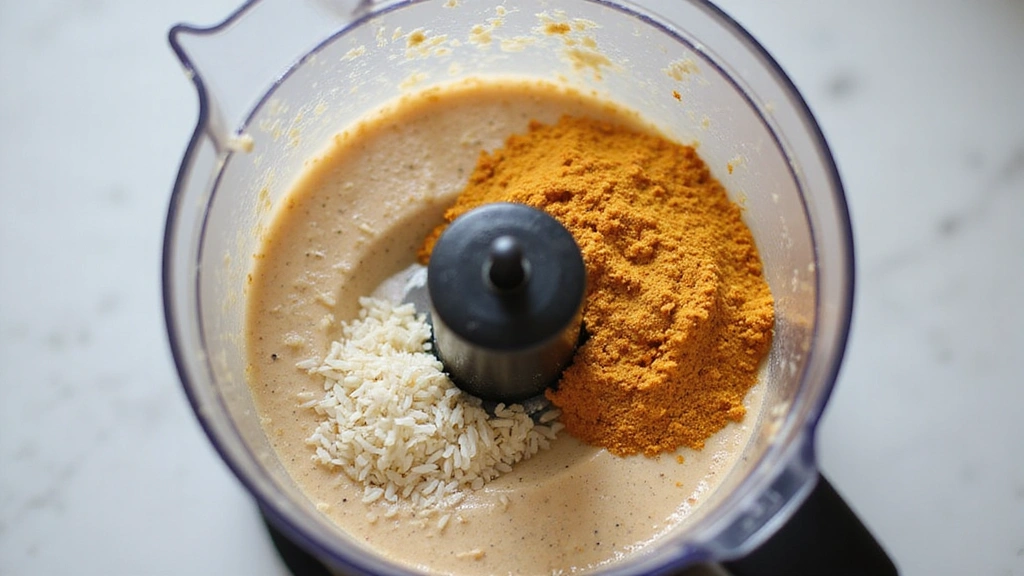
Drain the soaked rice and dal.
Grind them separately to a smooth paste, adding water gradually.
Combine both pastes and mix well to form a batter.
The batter should be thick yet pourable.
Step 3: Ferment the Batter
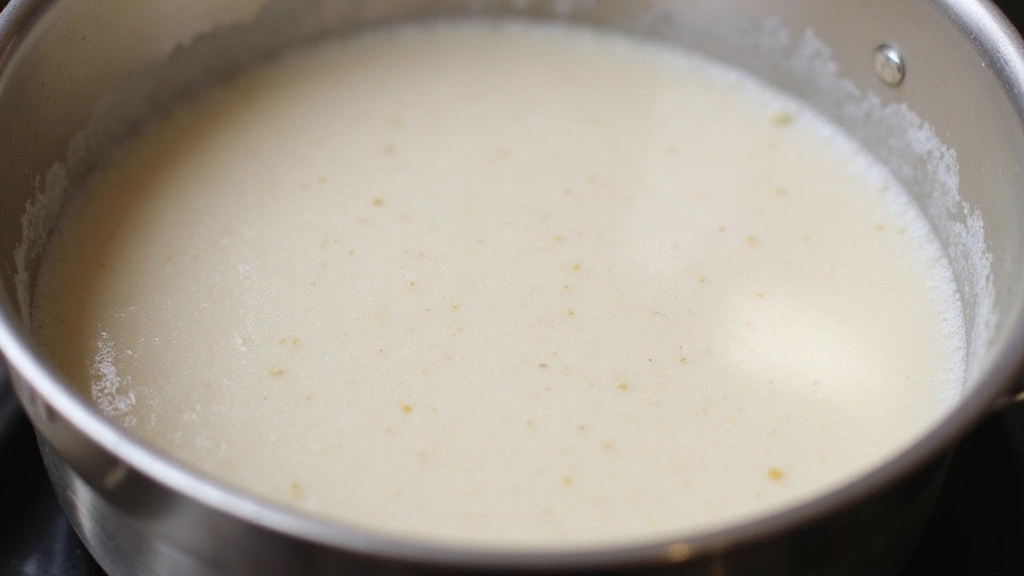
Transfer the batter to a large bowl, leaving room for rising.
Cover and let it ferment overnight in a warm place.
The batter should double in volume and have a slightly sour aroma.
This indicates the natural fermentation process is complete.
Step 4: Prepare the Idli Steamer
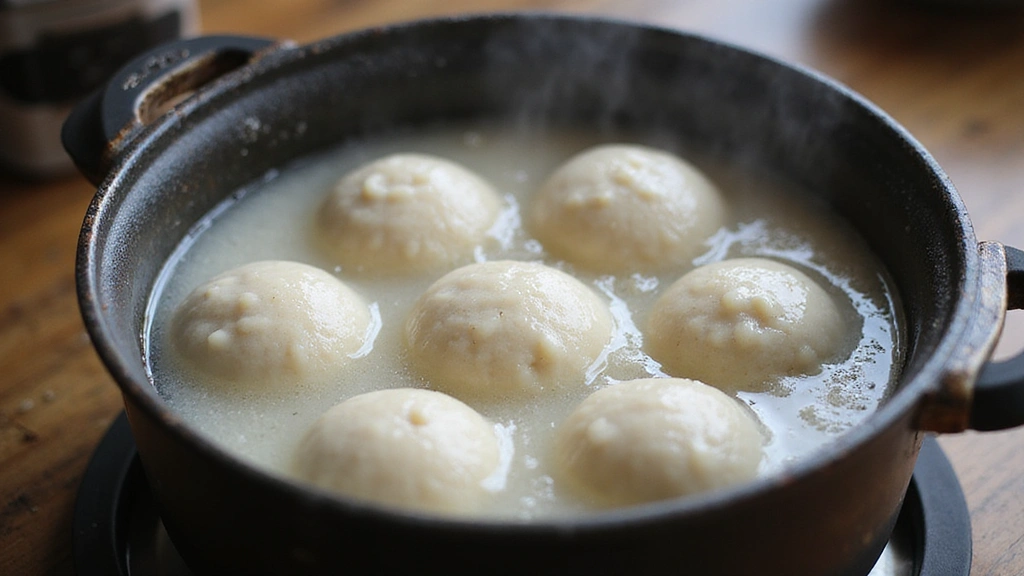
Fill the steamer with water and bring it to a boil.
Lightly grease the idli moulds with oil.
Ensure the water level is below the idli moulds to prevent water from touching them.
Proper steaming setup is essential for fluffy idlis.
Step 5: Pour Batter into Moulds
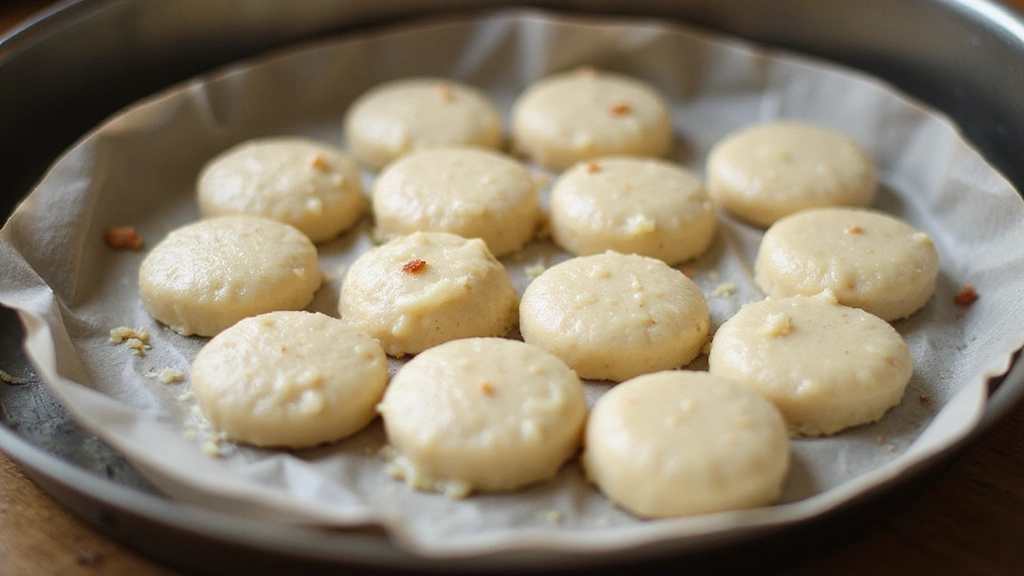
Stir the fermented batter gently without deflating it.
Pour a ladleful of batter into each mould.
Fill the moulds just below the brim to allow for rising.
Avoid overfilling to prevent batter from spilling over during steaming.
Step 6: Steam the Idlis
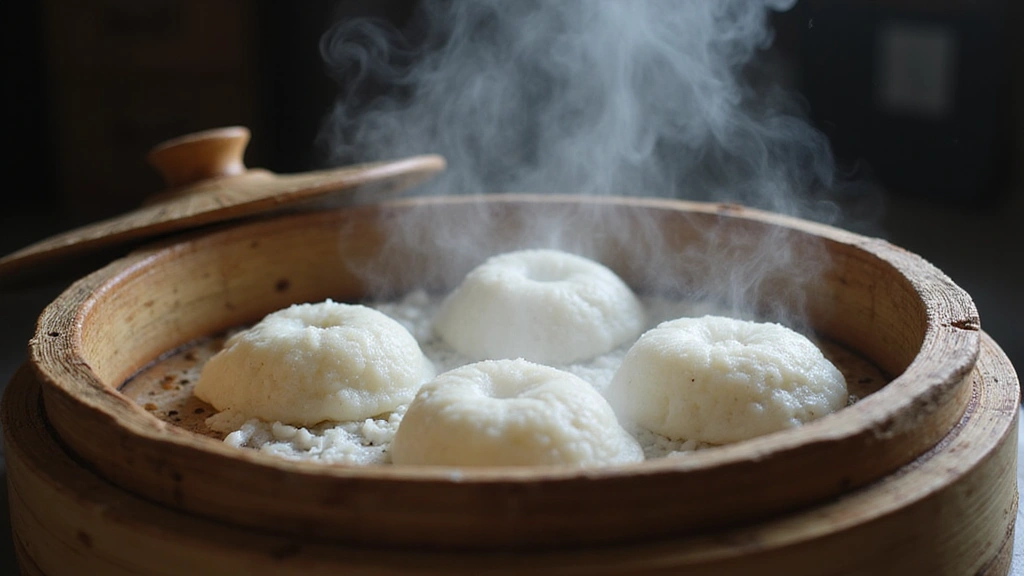
Place the filled moulds inside the steamer.
Cover and steam for 10-15 minutes on medium heat.
Check for doneness using a toothpick; it should come out clean.
Proper steaming ensures the idlis are cooked through and fluffy.
Step 7: Prepare the Chutney
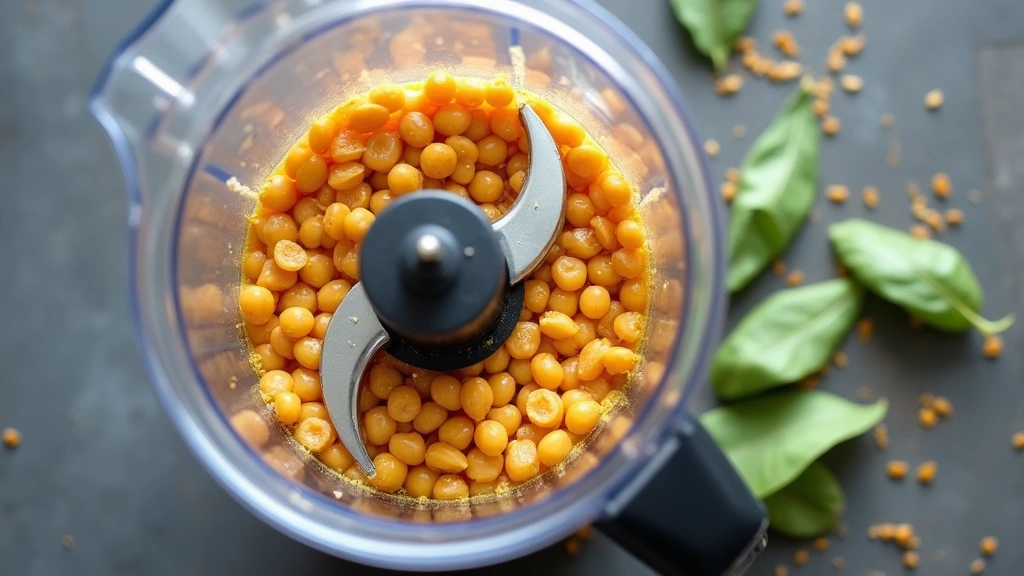
Blend coconut, roasted chana dal, tamarind paste, and salt with water.
Grind to a smooth paste, adjusting water for desired consistency.
Temper with mustard seeds and curry leaves in hot oil.
This adds a flavorful finish to the chutney.
Step 8: Cook the Sambar
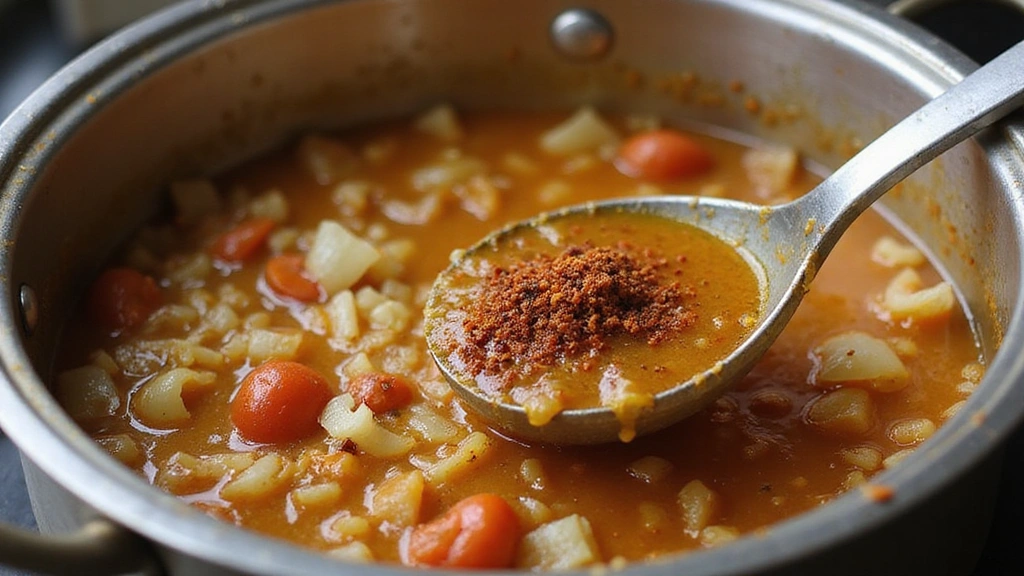
Boil cooked toor dal with chopped onions and tomatoes.
Add sambar powder and salt, simmering until well combined.
Temper with mustard seeds, garlic, and curry leaves in hot oil.
This step infuses the sambar with aromatic spices.
Step 9: Unmould and Serve Idlis
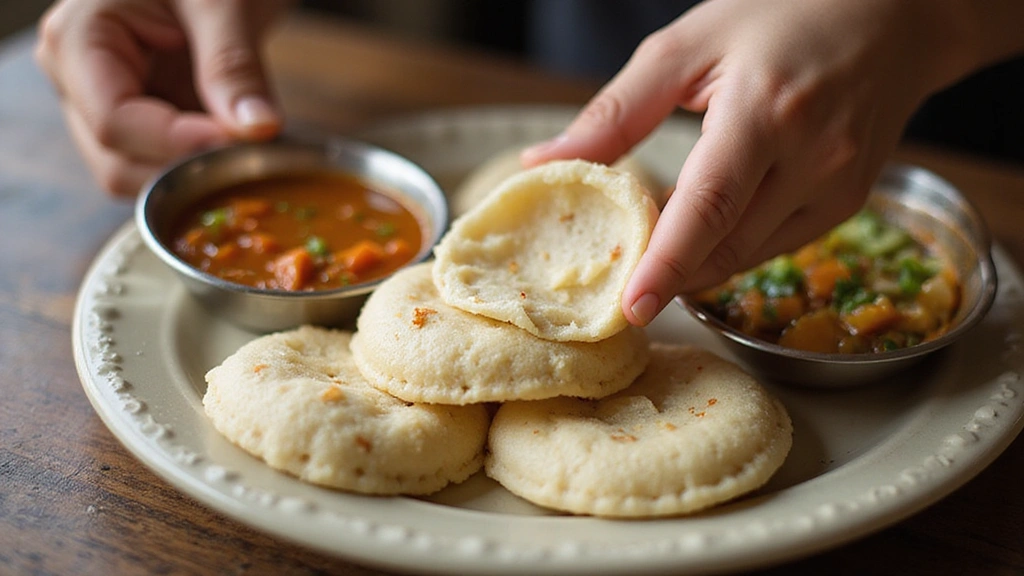
Let the idlis cool slightly before unmoulding them.
Use a spoon to gently remove them from the moulds.
Arrange on a serving plate with chutney and sambar.
Presentation enhances the dining experience.
Critical Timing and Temperature Guide
Fermentation: Allow batter to ferment for 8-12 hours at a warm room temperature (around 25-30°C). Look for a doubled volume and a slightly sour smell. Avoid fermenting in a cold environment, as this slows the process.
Steaming: Steam idlis for exactly 10-15 minutes at medium heat. The idlis should be firm but springy to the touch. Over-steaming can make them hard, while under-steaming leaves them sticky.
Chutney Tempering: Heat oil until it shimmers before adding mustard seeds. They should pop immediately, releasing their aroma. Avoid burning the seeds, as this gives a bitter taste.
Pro Tips for Fluffy Idlis
• Ingredient Selection: Choose high-quality rice and urad dal. Aged rice yields better fermentation, and fresh urad dal ensures a smooth batter.
• Preparation Secret: Add a pinch of fenugreek seeds while soaking urad dal to enhance fermentation and improve texture.
• Temperature Management: Keep the fermentation area warm. Use an oven with the light on if ambient temperature is low.
• Texture Enhancement: Stir batter gently after fermentation to retain air bubbles, crucial for fluffy idlis.
• Flavor Layering: Use a mix of fresh and roasted spices in sambar for a complex flavor profile.
• Make-Ahead Strategies: Prepare and freeze the idli batter in portions. Thaw overnight in the fridge for fresh idlis anytime.
• Restaurant-Quality Finishing Touches: Garnish sambar with fresh coriander leaves and a dash of lemon juice before serving.
• Equipment Optimization: Clean the steamer and idli moulds thoroughly to prevent sticking and ensure even cooking.
Troubleshooting Common Issues
• Dense Idlis: Caused by insufficient fermentation or over-mixing the batter. Ensure proper fermentation time and handle the batter gently.
• Batter Not Rising: Often due to cold temperatures or old ingredients. Maintain a warm environment and use fresh rice and dal.
• Sticky Idlis: Results from under-steaming or excess water in batter. Check doneness and adjust water content.
• Sour Batter: Over-fermentation leads to excessive sourness. Taste batter before steaming and adjust fermentation time.
• Sambar Too Watery: Incorrect dal-to-water ratio. Simmer longer to thicken, or add a teaspoon of rice flour mixed with water.
• Chutney Separation: Caused by improper blending or excess water. Blend again or adjust water consistency.
Variations and Regional Differences
• Kanchipuram Idli: A spiced version from Tamil Nadu with cumin, pepper, and ginger mixed into the batter.
• Mangalore Idli: Made with a mix of rice and flattened rice, resulting in a softer texture.
• Sanna: A Goan variation of idlis, fermented with toddy for a unique flavor.
• Rava Idli: A semolina-based idli from Karnataka, often flavored with yogurt and spices.
Food Science Behind the Recipe
• Fermentation Process: Fermentation increases the batter's volume and introduces beneficial microorganisms, improving digestibility and flavor.
• Steam Cooking: Steaming cooks the idlis gently, preserving moisture and achieving the desired fluffy texture.
• Emulsion in Chutney: Proper blending creates a stable emulsion, preventing separation and ensuring a smooth texture.
Frequently Asked Questions
What's the most common mistake people make when preparing idlis? Over-mixing the batter after fermentation, which deflates the air bubbles, leading to dense idlis.
Can I use different types of rice for idlis? Yes, but traditional idli rice or parboiled rice yields the best results due to their texture and water absorption properties.
How do I store leftover idlis? Keep them in an airtight container in the fridge for up to 3 days, and reheat by steaming or microwaving.
Why are my idlis sticking to the moulds? This might be due to insufficient greasing. Ensure moulds are well-greased before pouring the batter.
Can I make idlis without fermentation? While possible with instant mixes, fermentation is key for authentic flavor and texture.
How do I adjust for high altitude cooking? Increase steaming time slightly and ensure batter ferments adequately, as cold temperatures can slow the process.
What variations can I try with chutney? Experiment with different nuts, herbs, and spices like mint or coriander for unique flavors.
Is it possible to make idlis with brown rice? Yes, but soak longer and adjust water content as brown rice absorbs more water.
Serving and Presentation Guide
• Traditional Presentation: Serve idlis on a banana leaf with coconut chutney and sambar in small bowls on the side.
• Modern Plating: Stack idlis neatly on a white plate, drizzling chutney artistically around them, with sambar in a ramekin.
• Family Style: Arrange idlis in a large platter with separate bowls of chutney and sambar for sharing.
• Garnished Presentation: Sprinkle chopped coriander and toasted coconut over idlis for added color and texture.
Conclusion
Embark on a delightful culinary journey with this recipe for fluffy idlis with chutney and sambar.
Each bite offers a taste of tradition, comfort, and flavorful harmony.
Whether for a family breakfast or a special occasion, these idlis are sure to impress.
Try this recipe today and bring a piece of South Indian heritage to your table.





I love making idlis on weekends! They always remind me of family brunches. Do you have any tips for getting them extra fluffy?
Your idli recipe is making my mouth water! I tried making them once, and they turned out as flat as pancakes. I guess I should stick to my bread-making skills! 😂
Did you know that idlis are considered one of the healthiest breakfasts in India? They’re packed with protein and low in calories! Who knew breakfast could be so good for you?