

I put this together because many homes blend living room and kitchen, but getting the flow right can feel hard. Here is why: wrong sight lines, crowded paths, and a lack of clear zones make daily life busy instead of easy.
If you’re renovating, moving to an open concept, or simply want a better flow for family time and entertaining, this is for you.
I pulled together 30 stunning open floor plan ideas that cover layout, lighting, color, textures, and storage. They are practical and easy to try in your own space. Each idea includes simple steps you can take this week.
Here is what you’ll learn. Define zones with rugs and furniture. Place a kitchen island so traffic flows. Layer lighting to keep the room bright and welcoming. Mix finishes so wood, metal, and fabric feel balanced. Choose color palettes that make the space feel bigger.
Reality check: open plans shine when you plan for sound and storage. I share ideas that fit real homes and real budgets. Think soft textures. Think warm wood and cool stone. Practical storage hides clutter. A simple rug or line of pendant lights can define a zone without breaking air.
Next steps. Pick one idea and measure your space. Sketch a quick plan and test it. This post offers doable options, not overwhelm.
Contents
- 1. Minimalist Marvel: Embrace Simplicity
- 2. Rustic Charm: A Cozy Retreat
- 3. Contemporary Chic: Sophisticated and Sleek
- 4. Industrial Vibes: Urban Edge
- 5. Coastal Breeze: Light and Airy
- 6. Eclectic Mix: A Personal Touch
- 7. Elegant Farmhouse: Timeless Beauty
- 8. Bold Colors: Make a Statement
- 9. Scandinavian Style: Functional and Cozy
- 10. Glamorous Touch: Luxe Living
- 11. Zen Space: Creating Serenity
- 12. Multi-Purpose Spaces: Versatile Living
- 13. Smart Technology: The Future of Living
- 14. Outdoor Integration: Bringing Nature In
- 15. Artistic Expressions: A Creative Touch
- 16. Open Shelving: Functional and Chic
- 17. Layered Lighting: Set the Mood
- 18. Textured Walls: Adding Depth
- 19. Bold Fixtures: Eye-Catching Elements
- 20. Custom Built-ins: Maximizing Space
- 21. Sustainable Design: Eco-Friendly Choices
- 22. Colorful Backsplashes: A Fun Detail
- 23. Creative Room Dividers: Defining Spaces
- 24. Integrated Dining Areas: Seamlessly Connected
- 25. A Touch of Vintage: Nostalgic Charm
- 26. Green Spaces: Indoor Gardens
- 27. Personal Libraries: A Cozy Nook
- 28. Accent Ceilings: An Unconventional Touch
- 29. Seasonal Decor: A Constant Refresh
- 30. Community Spaces: Fun and Functional
1. Minimalist Marvel: Embrace Simplicity
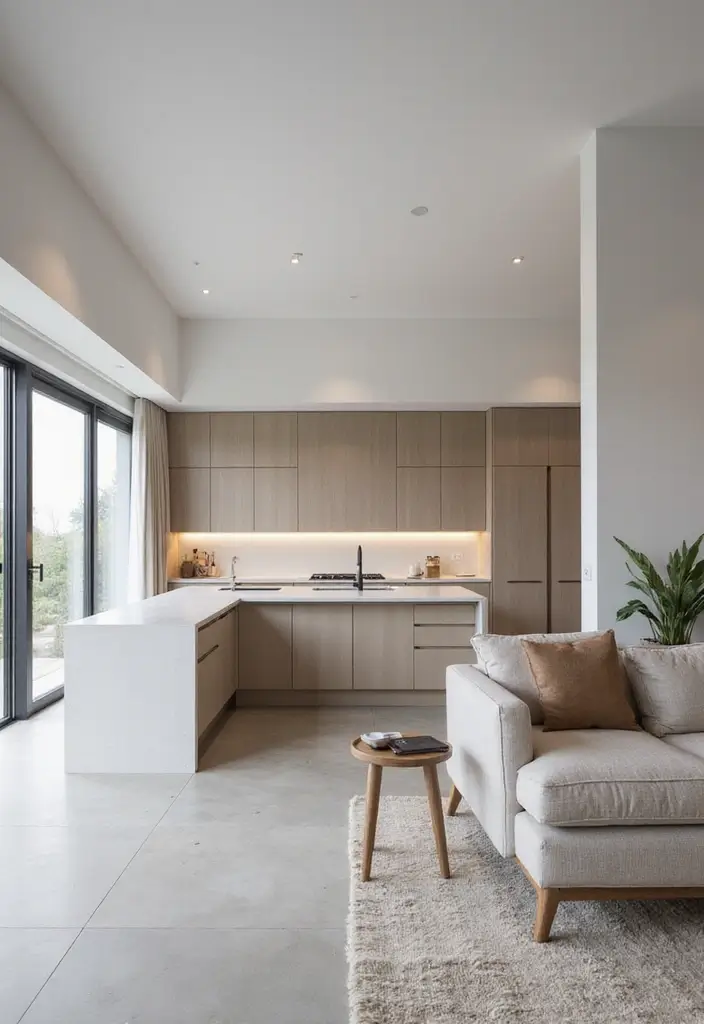
If you want a living room and kitchen that feel calm, open, and easy to care for, a minimalist approach can help. You get space to breathe, clean lines you can admire, and a room that stays welcoming instead of crowded.
Minimalist open floor plans lift the eye. They put the focus on good furniture, not clutter. Light colors help too, but they still invite warmth when you mix textures. You’ll notice a brighter mood, quieter corners, and a space that invites you to linger.
Here is why this style works for busy homes. Clean surfaces reflect light, so the room looks bigger. Simple furniture is easy to use every day. Less decor means less cleaning and fewer corners to wed with dust. A well placed island gives you a prep area and a casual dining spot without breaking the open feel.
Here is how you can make it real.
– Color and finish: Start with a soft base. White walls pair with warm neutrals and a touch of wood. Limit your palette to two or three hues. This keeps the space cohesive and easy to refresh.
– The backbone piece: Choose a slim, multi use island. It should offer prep space and room for quick meals. Look for a low profile, clean edges, and storage beneath to hide clutter.
– Furniture with clean lines: Pick sofas and chairs with simple silhouettes. Avoid heavy patterns. Light wood legs, metal frames, and smooth upholstery read as calm and contemporary.
– A few statement accents: Pick one art piece or a single tall plant to catch the eye. Let that item be your visual anchor. Keep other decor sparse but meaningful.
– Storage that hides clutter: Use built in cabinets, hidden drawers, and baskets. The goal is a surface free of items you don’t use daily.
– Layered lighting: Combine ceiling fixtures with pendant lights over the island and a soft floor lamp. Add under shelf lighting to brighten work zones and create warmth.
– Zone the space without walls: Use rugs to define the sofa area and the dining spot. Leave wide walkways so traffic flows freely.
– Texture and material mix: Add warmth with stone, wood, fabric, and a touch of metal. These textures keep the room inviting without crowding it.
Next steps: audit your space in 15 minutes. Remove items you rarely use. Pick one neutral paint color and one wood tone. Swap heavy decor for a single focal piece. Reorganize to keep surfaces clean. You’ll gain room to move and a calmer mood to match.
1. Minimalist Marvel: Embrace Simplicity
Editor’s Choice
IRONCK Kitchen Island with Storage, Rolling Kitchen Island on Wheels wit…
 Amazon$131.99
107.5″ Cloud Modular Sectional Sofa Couch with L-Shape Chaise,Modern Min…
Amazon$499.00
Industrial Pendant Lighting, Modern Clear Glass Shade Farmhouse Adjustab…
Amazon$29.992. Rustic Charm: A Cozy Retreat
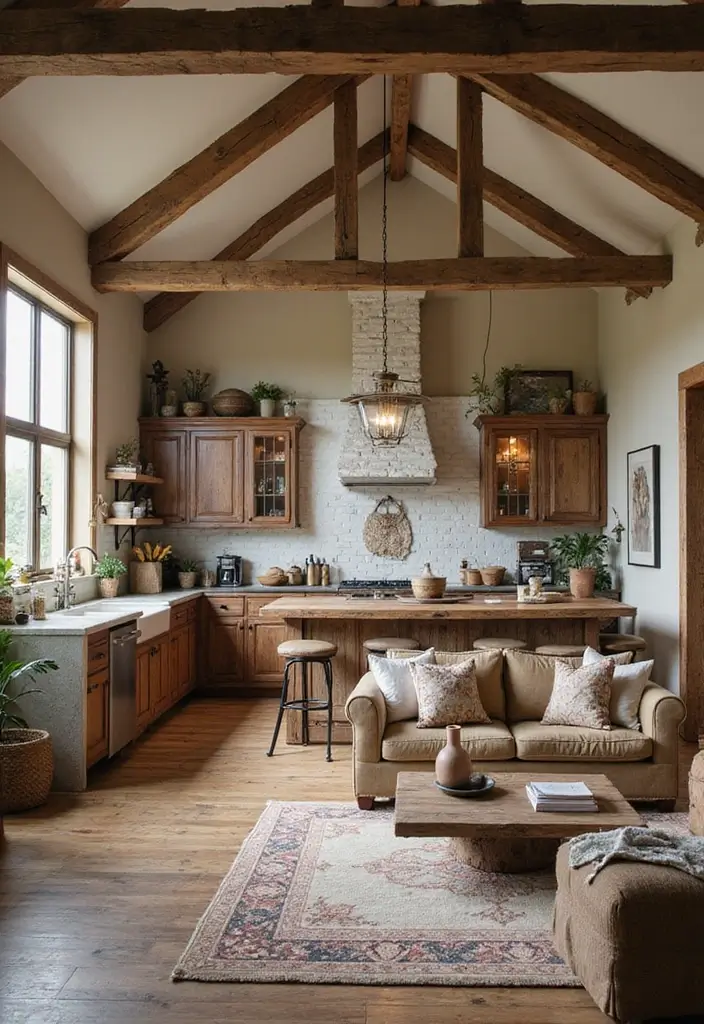
Your space needs warmth and a place to feel at home. A rustic open floor plan can give you that. It blends living and cooking areas with a simple, honest vibe. You’ll get a welcoming spot for meals, chats, and quiet nights alike. Here is how you can pull off this look.
– Key materials and colors
– Reclaimed wood, natural stone, and warm earth tones lay the base for a sturdy, inviting feel.
– Add a few metal accents to create contrast without shouting.
– Keep a calm color palette so textures and shapes stand out.
– A note on lighting: soft, warm light makes the room feel snug. Avoid bright white glare that can erase the cozy mood.
– Layout features
– Exposed beams bring height and a touch of old time charm.
– A farmhouse dining table anchors the space and invites people to gather.
– A large kitchen island with rustic bar stools becomes the warm hub for cooking and talks.
– In planning the layout, let sight lines stay clear so you move easily between rooms. This helps the open feel stay relaxed rather than busy.
– Texture and decor
– Layer soft throws, woven baskets, and plush cushions to add warmth you can touch.
– Place a few live plants for color and life.
– Use natural textiles like linen or burlap for a casual, comfortable touch.
– Texture is your friend. Mix woods, metals, and fabric patterns at a low rate so nothing feels overwhelmed.
– Practical tips
– Choose warm lighting, such as bulbs around 2700K, to keep the space inviting.
– Mix in well chosen vintage pieces to give your rooms character.
– Keep surfaces tidy so the wood and stone can shine.
– Start with a few big pieces, then add accents over time.
– Next steps: measure your space, pick key pieces, and plan your finishes with care.
– Common questions
– What fabrics work best here? Wool blends, cotton, and jute feel sturdy and comfy.
– How do I keep it open and calm? Choose low-profile furniture and keep clutter out of sight.
– How many plants should I add? A few well placed greens make a big impact.
Your rustic open floor plan brings a snug retreat to life. It invites gatherings and quiet evenings alike, all while staying easy to live in.
2. Rustic Charm: A Cozy Retreat
Editor’s Choice
Martin Svensson Home Monterey Solid Wood Coffee Table, Reclaimed Natural
Amazon$407.09
TJOY 6 Pack A19 LED Light Bulbs, 60 Watt Equivalent LED Bulb, Soft Warm …
Amazon$11.99
DII Rustic Farmhouse Double Diamond Woven Throw, 50×60, Stone
Amazon$12.993. Contemporary Chic: Sophisticated and Sleek
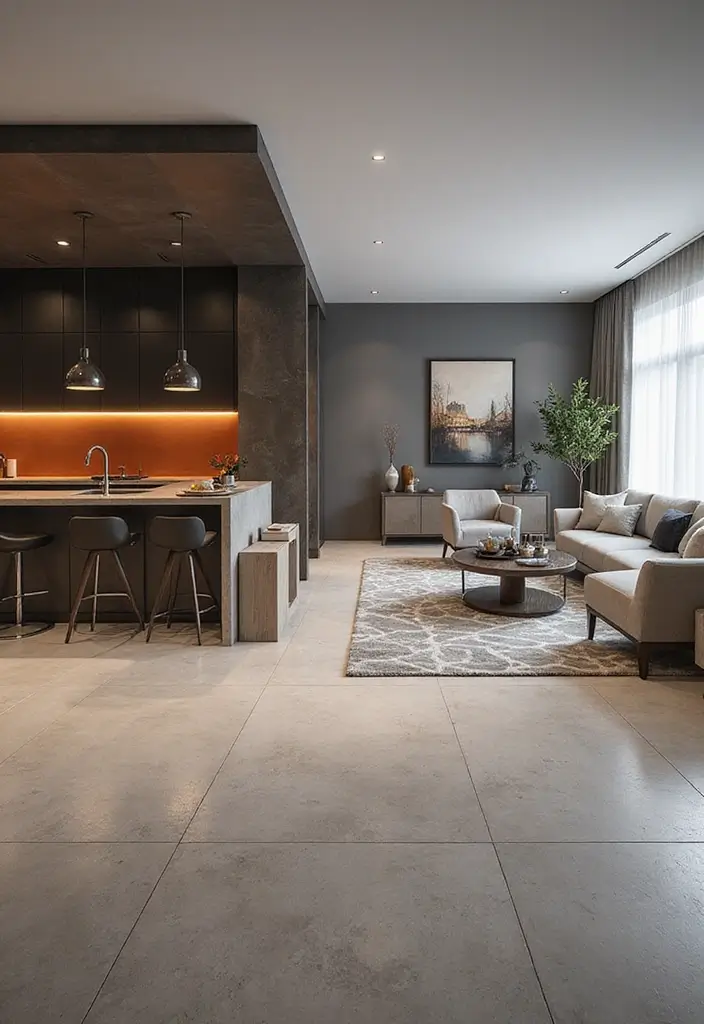
If you want a living room and kitchen that feel calm, modern, and easy to live in, contemporary chic could be your best match. You’ll get clean lines, open air, and a space that invites conversation.
Think tall ceilings and big windows. Furniture should have straight lines and low profiles. The kitchen often uses a peninsula or island with bar seating. It connects to a living area that shows art in clear frames and simple, attractive pieces.
Color plays a big role here. Start with a light neutral backdrop. Add bold accents in small doses so the eye moves without shouting. This approach makes the space feel lively yet relaxed.
Here is why this look fits a true open plan. Sight lines stay open, so you can chat across rooms. Social moments feel natural, not forced. Light bounces around, making every corner feel brighter.
Next steps to pull off the look:
– Keep lines simple with furniture that has straight edges and low backs.
– Add bold accents in small doses to draw the eye.
– Choose statement lighting like a sculptural pendant or a row of slim fixtures.
– Limit clutter with hidden storage and fewer trinkets.
– Define zones with a rug or a subtle change in ceiling or wall treatment.
– Stay practical with a kitchen island that provides prep space and seating for quick meals or chats.
Practical applications you can use now:
– Let the island be the social hub. Keep it clear on the living side so you can see and talk to guests while you cook.
– Use area rugs to separate the kitchen from the living area without walls.
– Mix warm woods, soft fabrics, and a linen curtain to soften the neutral base.
– Add a plant or two to bring life and a touch of color.
Common questions you might have:
– Will this look feel cold? It can, if you stick to bare surfaces. Add warmth with wood accents, a cozy throw, and a soft rug.
– How do I keep it usable every day? Put hidden storage under benches, in cabinets, and in the island. Choose pieces that fit real life.
Next steps for your space:
– Start with a light neutral palette and plan where the bold color will appear.
– Select a kitchen island or peninsula that adds seating and prep space.
– Pick lighting that stands out but blends with the room.
– Keep your accessories to a few meaningful items.
With these moves, you’ll enjoy a contemporary open plan that feels chic, inviting, and easy to live in every day.
3. Contemporary Chic: Sophisticated and Sleek
Editor’s Choice
Kira Home Lucy 16″ Modern Pendant Light + Clear Glass Vase Shade, Adjust…
AmazonCheck Price
Loloi Amber Lewis Monty Collection MOT-03 Ivory/Beige 6′-7″ x 9′-3″, .50…
Amazon$166.99
IRONCK Kitchen Island with Storage, Rolling Kitchen Island on Wheels wit…
Amazon$131.994. Industrial Vibes: Urban Edge
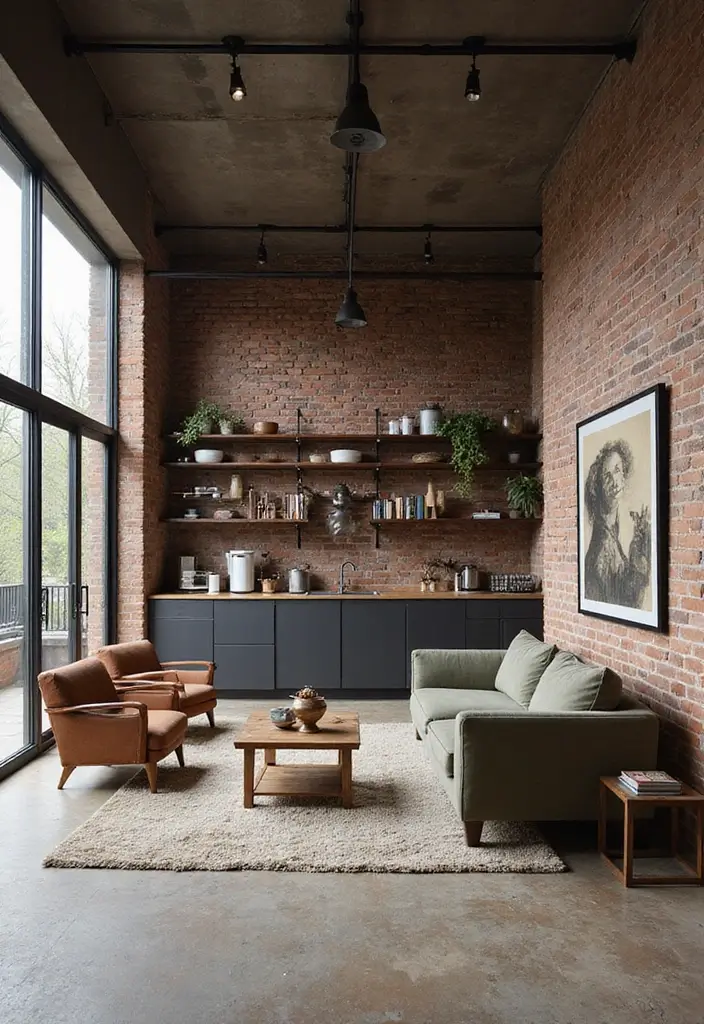
Are you after an open living space that feels sharp but not cold? Industrial vibes can give your kitchen and living room a strong urban edge while still inviting you in. You get clean lines, raw materials, and a sense of character that hands you a little piece of the city at home. With the right touches, it stays warm and easy to live in.
– Materials mix
Use metal, glass, and wood together to create depth and contrast.
– Statement pieces
Choose furniture with an industrial look that still fits your life, like a leather chair or a metal-framed sofa.
– Color and texture
Keep the palette simple with grays and browns, but add warmth with wood grain and soft fabrics.
– Lighting strategy
Pick bold industrial fixtures and warm bulbs to soften the space rather than wash it in glare.
– Kitchen elements
Open shelves and stainless steel appliances work well, and a wood or metal island anchors the area.
– Living room vibe
Vintage-inspired seating and a coffee table with metal legs create character without heaviness.
– Softening textures
Large area rugs, woven fabrics, and plants bring comfort to hard edges.
– Layout and flow
Let the island or peninsula divide tasks while keeping sight lines clear between the kitchen and lounge.
– Color accents
Add a pop of color with textiles or art while preserving the quiet base.
– Budget bites
Start with one bold focal piece and build around it to keep costs manageable.
Here is how to apply this look in your space. Start with exposed brick or painted brick if you have it, then layer in metal light fixtures and wooden surfaces. Keep your major furniture in a neutral base so you can swap in texture or color with cushions and throws. Use open shelving in the kitchen to show off glassware and dishes that add shine without crowding shelves. Choose a rug that softens the floor and defines your seating area.
Common questions helped by practical checks. Will this style feel loud or cold in a small room? Balance it with a large soft rug and warm lighting. How do I soften the industrial edge without losing its edge? Add warm woods, plush textiles, and a few vintage pieces. Can I dip my toe in this look on a tight budget? Yes, pick one standout metal piece and keep other items simple.
Next steps. Create a quick material and piece list, measure your space, and mark zones for cooking, dining, and lounging. Shop for one bold item first, then fill in with affordable accents. Your open floor plan will read as urban and inviting with the right mix of raw materials, warm textures, and thoughtful balance.
4. Industrial Vibes: Urban Edge
Editor’s Choice

Woods L1706 Vandal Resistant Security Light With Ceiling Mount (150W Inc…
Amazon$20.60
Yaheetech Mid-Century Accent Chairs, PU Leather Modern Upholstered Livin…
Amazon$131.39
AMADA HOMEFURNISHING 8×10 Washable Area Rug, Low-Profile Large Area Rug …
Amazon$79.995. Coastal Breeze: Light and Airy
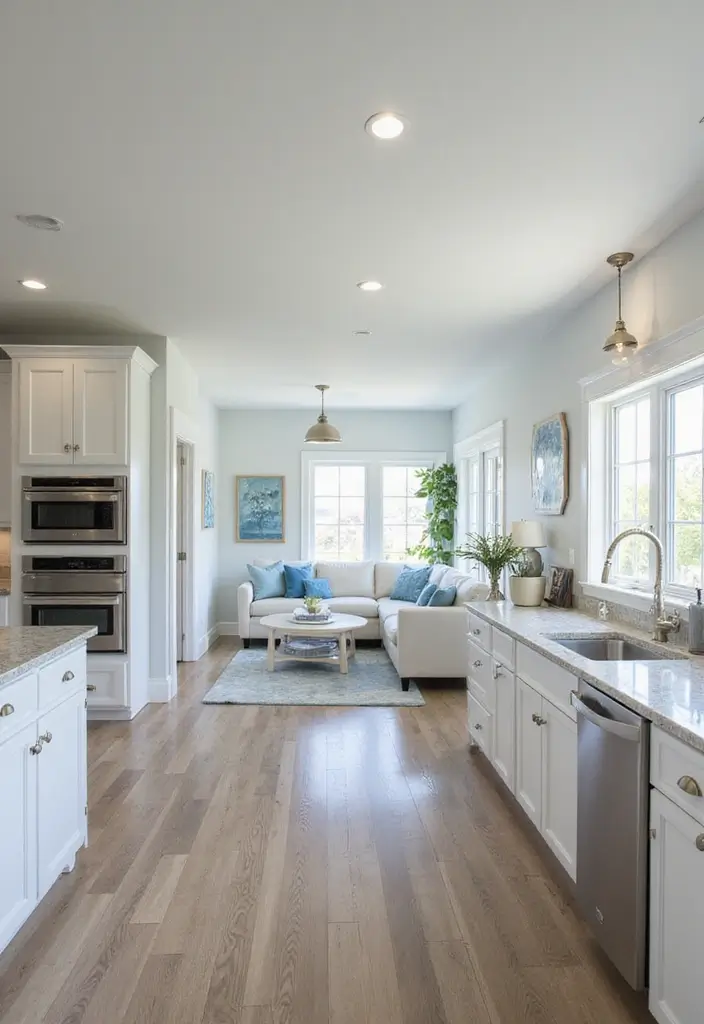
Coastal Breeze: Light and Airy
You want an open living space that feels calm, not crowded. A coastal vibe can give you that sense of easy, seaside living. The goal is light, bright, and welcoming.
Imagine walls painted in soft blues, crisp whites, and sandy beiges. Natural light pours in, filling wide rooms. Light-colored wood floors glow. Sheer curtains flutter with every breeze. This is the backbone of a true open floor plan that never feels empty.
Here is how you make it real:
– Choose a pale palette. Lean toward whites, pale blues, and sand tones.
– Let the light do the work. Keep window treatments light and avoid heavy drapes.
– Bring in sea elements. Coral accents, sea-glass decor, and driftwood pieces add character.
– Use marine prints sparingly. A single print or a few shells can anchor the theme without overpowering the space.
– Plant life matters. Add a few low-maintenance greens to keep the air feeling fresh.
For furniture, aim for a light, airy look. Pick pieces with slim legs and low profiles. A driftwood coffee table or a white-washed console can act as a focal point without crowding the room. Choose fabrics like linen or cotton in soft tones. They wear well and stay cool to the touch.
Layout tips you can actually use:
– Keep sight lines open. Place the sofa so you can see the kitchen island and entryway.
– Build zones without walls. Use rugs and furniture placement to define living, dining, and cooking areas.
– Let texture do the talking. Mix rattan, wicker, and smooth wood for depth without clutter.
– Light fixtures matter. A simple pendant or two in natural tones adds warmth at eye level.
Practical touches to try now:
– Rugs in neutral colors with a subtle pattern prevent, not add, visual noise.
– Ice-blue or sea-glass accents can be repeated in accessories for cohesion.
– Plants survive indoors easily. A tall palm or a string of trailing vines brings life to corners.
What about real limits? An airy plan can feel cold if you overdo bare surfaces. So balance with soft textiles and a few cozy throws. Also, durable fabrics help with kids and pets.
Next steps: pick a wall you want to brighten, choose a white or pale blue, and start layering natural textures. You’ll enjoy a fresh, inviting space that truly feels like a coastal retreat.
5. Coastal Breeze: Light and Airy
Editor’s Choice

OWENIE Sheer Curtains 84 inches Long 2 Panels Set for Living Room/Bedroo…
Amazon$7.93
3pcs Wood Handmade Beach Nautical Style Figurines Starfish/Conch/Seahors…
Amazon$26.36
Costa Farms Live Plants (3 Pack), Easy to Grow Real Indoor Houseplants, …
Amazon$28.996. Eclectic Mix: A Personal Touch
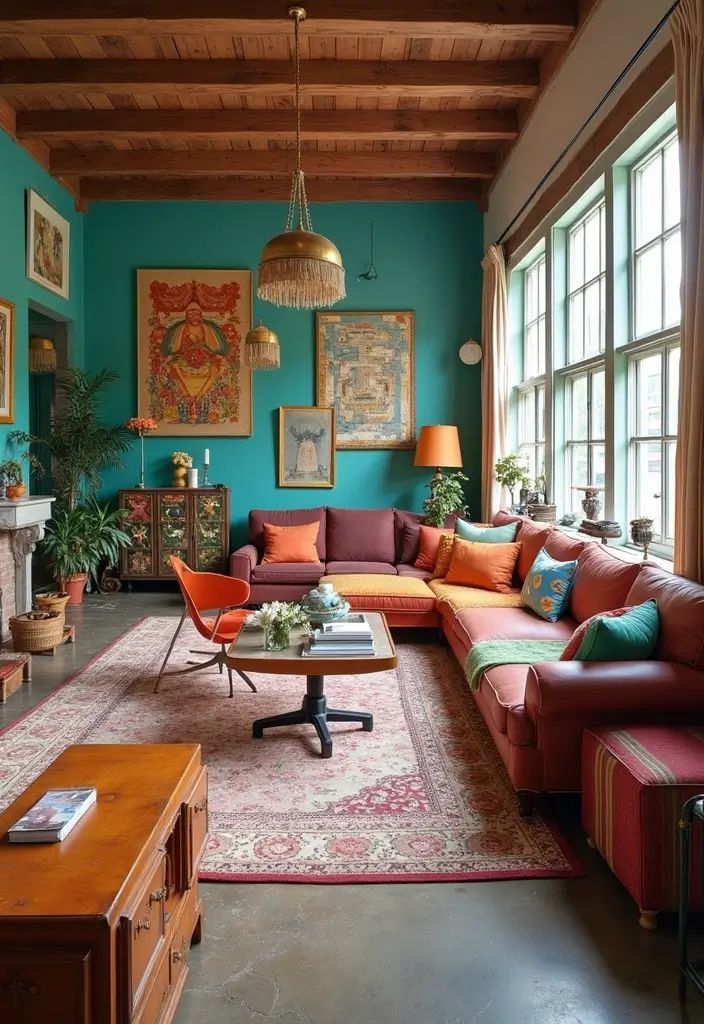
You want a living room and kitchen that feel open, warm, and truly yours. An eclectic mix can give you that personal touch. It blends pieces from different styles to tell your story without looking messy.
Here is why it works. A single color anchor keeps the space calm. Then bold patterns and unusual textures wake it up. You get energy without chaos when every piece has a place and a reason.
How to pull it off
– Be bold with color and patterns. Pick one main color you love. Add a second, muted shade for balance. Use this scheme in textiles, walls, or a rug to tie zones together.
– Mix pieces with character. Put together furniture from different eras or looks. A vintage chair paired with a clean‑lined sofa can feel lively, not random.
– Tell your story with art and decor. Display items that matter to you—photos, travel finds, handmade crafts. Let some pieces be conversation starters.
– Layer textures. Bring in rough wood, soft fabrics, metal accents, and woven textiles. Different textures play off each other and add depth.
Practical setup tips
– Create zones with purpose. Use rugs, lighting, and furniture layout to separate the living area from the dining or cooking space, while keeping sight lines open.
– Use one unifying material or finish. A shared wood tone, metal, or flooring color helps everything feel connected.
– Start with a small area. Tackle a couch, a rug, and a couple of side tables first. Expand as you go.
– Keep clutter in check. Built‑in storage or smart cabinets hide everyday items while keeping surfaces clean.
Common questions you might have
– Will it feel chaotic? Not if you keep a rhythm. Define the main color, then add accents in small doses.
– How many styles should I mix? Two or three looks work best. Too many can feel busy.
– How do I update over time? Swap out textiles, cushions, or a single focal piece to refresh the look.
Realistic ideas for today
– Start with a bold rug that anchors the space. Let your seating face a shared view—TV, fireplace, or a window wall.
– Add a statement light or two. Industrial fixtures with warm bulbs mix well with softer lamps.
– Bring in personal pieces gradually. A favorite throw, a heirloom tray, or a framed photo can set the tone.
Next steps for you
– Build a simple mood board. Collect images of color, texture, and furniture you like.
– Make a short shopping list. Focus on one big piece and a few textiles that carry the palette.
– Test a smaller swap first. Change cushions or wall art, then decide what to add next.
Your open floor plan can glow with your own taste. With clear anchors and thoughtful layering, your living room and kitchen become a friendly place that welcomes people to share your style.
6. Eclectic Mix: A Personal Touch
Editor’s Choice

Rugshop Contemporary Abstract Circles Perfect for high Traffic Areas of …
Amazon$142.62
Woods L1706 Vandal Resistant Security Light With Ceiling Mount (150W Inc…
Amazon$20.60
BOURINA Beige Throw Blanket 50×60 Inches Throw Textured Solid Soft Sofa …
Amazon$18.997. Elegant Farmhouse: Timeless Beauty
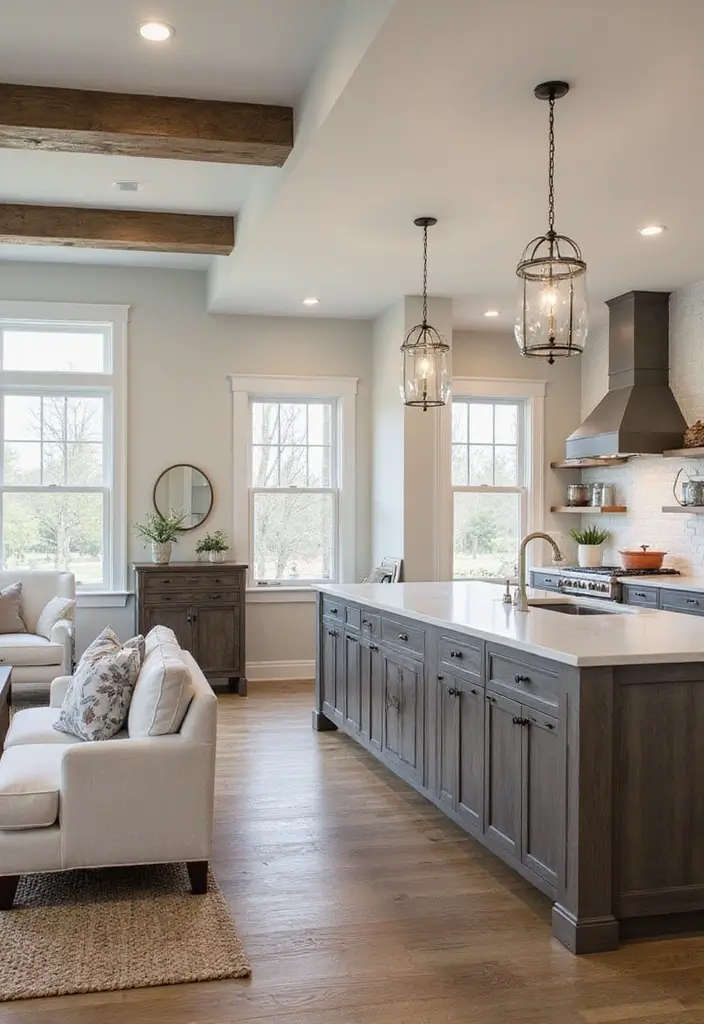
Do you want a look that feels warm, timeless, and easy to live in? Elegant Farmhouse style mixes rustic charm with clean, refined touches. It invites family meals, chats, and cozy nights in.
– Shiplap walls add texture without shouting.
– Large dining table becomes the heart of gatherings.
– Chandeliers give a soft glow over meals and conversations.
– Oversized kitchen island becomes a social hub for cooking and chats.
– White cabinetry stays bright, paired with vintage-inspired hardware.
– Neutral colors anchor the space, with muted color pops for depth.
– Natural elements like wood and stone bring warmth.
– Soft textiles such as linen and cotton add comfort.
– Clutter-free surfaces keep the space calm and open.
Here is how to master this look:
– Mix vintage finds with modern pieces for balance.
– Use texture through rugs, throws, and woven baskets.
– Let light flow in. Choose simple window treatments and warm bulbs.
– Keep surfaces clean. A tidy space feels bigger and calmer.
– Anchor rooms with a low-profile rug and a few meaningful accents.
What to do first in an open floor plan:
– Start with a soft white or warm beige base. Add a calm secondary color like sage or muted blue.
– Pick a kitchen island that looks built-in. It should be easy to access from all sides.
– Choose hardware with a light, vintage touch. It should feel familiar, not flashy.
– Add subtle color with textiles, wall art, or a single artisan rug.
– Bring in natural wood elements, stone accents, and a few real plants.
Practical tips you can use right away:
– Use warm, dimmable lights to create a cozy mood in the evening.
– Keep a few storage baskets handy to hide clutter.
– Display a small row of open shelves for dishes or keepsakes.
– Choose durable fabrics for chairs and sofa slipcovers.
– Add green plants to soften corners and air the room.
A farmhouse look works best when it stays light and breathable. If your space feels crowded, scale back decor and lean on texture and light. This style shines when friends and family feel welcome, not overwhelmed.
Next steps: pick a color palette you love, then test it with swatches in natural light. Choose one big piece, like an island or dining table, and build the room around it. You’ll create a warm, inviting open plan that fits everyday life and special moments.
An elegant farmhouse open floor plan invites warmth and togetherness. So gather ’round the table and let cherished moments unfold in your stunning living room and kitchen!
7. Elegant Farmhouse: Timeless Beauty
Editor’s Choice

Dimmable A19 LED Light Bulbs 3000K Warm White, 60 Watt Equivalent, Effic…
Amazon$18.99
S & L Homes Jute Cotton Hand Woven Natural Farmhouse Area Rug for Living…
Amazon$194.99![Fab totes Storage Bins [3-Pack], Foldable Storage Baskets for Organizing...](https://m.media-amazon.com/images/I/81shZ8i+y+L._AC_UL320_.jpg)
Fab totes Storage Bins [3-Pack], Foldable Storage Baskets for Organizing…
Amazon$13.988. Bold Colors: Make a Statement
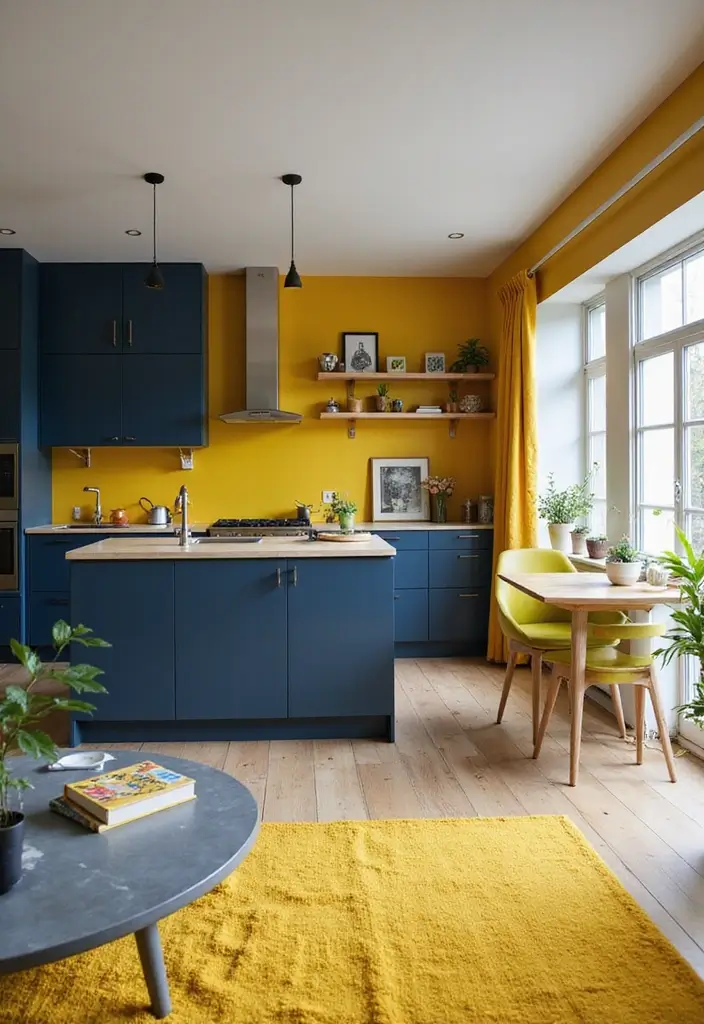
If your open living room and kitchen feel a bit flat, bold colors can change that fast. They bring energy, character, and a clear sense of style to a shared space. But you want impact without chaos. You can achieve a striking look that still feels calm and welcoming.
Here is why bold color works in an open floor plan. It draws the eye to a natural path through the space. It helps define separate zones like cooking, dining, and lounging. It also lets you show who you are in a place the whole family uses every day.
How to make bold color work in your open plan
– Start with one bold color as your lead. Pick a shade you love and want to see every day.
– Anchor the look with neutrals. Light walls or light floors keep the space from feeling crowded.
– Use colorful furniture as focal points. A bright sofa, a vivid chair, or a colored island can grab attention without taking over.
– Add wall art or decor in strong hues. Large prints or a gallery wall in complementary tones add depth and interest.
– Bring color in with textiles. Cushions, throws, and rugs are easy to swap as trends shift.
– Consider bold cabinets against lighter walls. A navy, forest green, or deep teal cabinet can be dramatic yet balanced when paired with pale surroundings.
Here’s how to implement these ideas without second-guessing yourself.
– Pick one area to be the statement piece. For example, let the kitchen cabinets carry the bold color while walls stay soft.
– Keep the rest of the room simple. Limit saturated colors to three main spots to avoid overwhelm.
– Choose finishes that feel good to touch. Matte tones feel cozy; a touch of gloss can add sparkle where you want it.
– Let lighting play with color. Warm lighting enhances yellows and ambers; cooler light makes blues and greens feel crisp.
Two practical setups you can try
– Scenario A: A navy kitchen with pale stone counters, light wood stools, and a bright yellow rug in the living area. The cabinets read bold, the rest stays calm, and the yellow adds chase and cheer.
– Scenario B: Emerald chairs around a light wood dining table, with neutral walls and a soft gray sofa. The green seats become the room’s heartbeat without shouting.
Useful tips to keep the look fresh
– Balance is key. Use color in small, repeatable doses across the space to tie areas together.
– Test color in real light. Paint swatches on poster boards and place them where you sit and cook. Watch how they change from day to night.
– Keep it easy to change. Use removable fabrics and art so you can refresh your palette with seasons or mood shifts.
– Think about durability. Choose fabrics and finishes that hold color well in daily use and cleaning.
Next steps you can take today
– Decide your main bold color and a couple of supporting neutrals. Create a quick mood board online or with sample paints.
– Schedule a small experiment. Paint a cabinet door or swap a couple cushions to preview the look.
– Watch for scale and flow. If one color dominates a room, pull it back a notch or balance with lighter tones elsewhere.
With the right balance, bold colors in an open floor plan offer energy and personality. You’ll end up with a space that feels inviting, cohesive, and distinctly yours.
8. Bold Colors: Make a Statement
Editor’s Choice

Preboun 8 Pcs 18 x 18 Inch Fresh Colors Decorative Throw Pillow Covers M…
Amazon$19.99
Contemporary Modern Abstract Blue Yellow Vibrant Area Rug 5×7 Ultra Soft…
Amazon$74.99
qmmp Modern Wooden Wall Sculptures – Set of 3 – MDF – Oak – Home Decor A…
Amazon$64.999. Scandinavian Style: Functional and Cozy
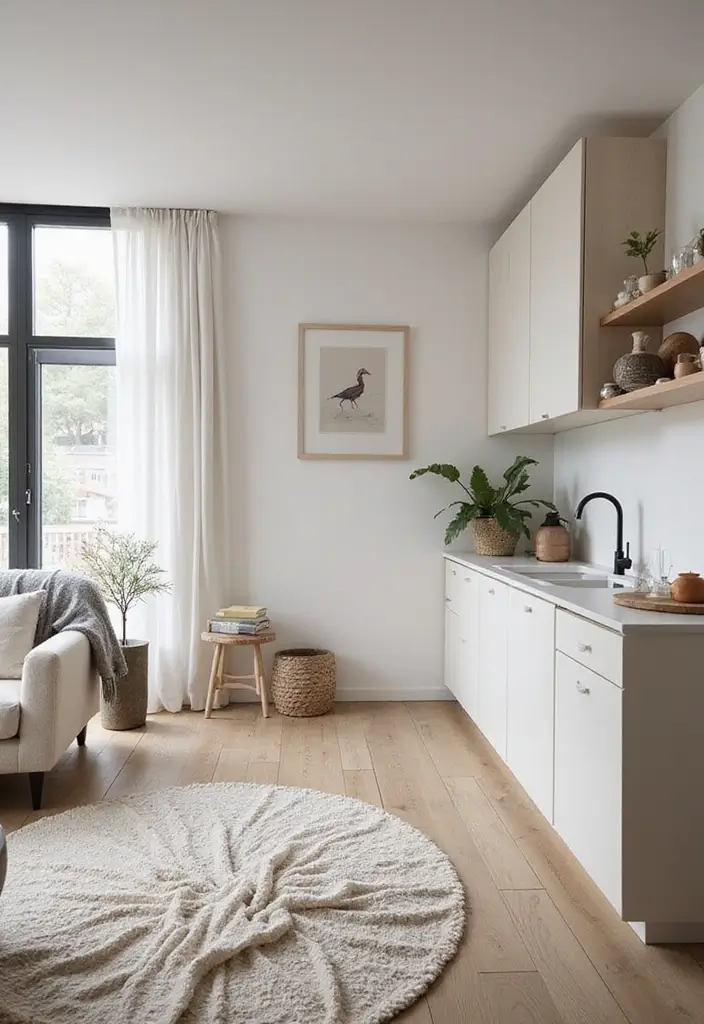
You want a living space that feels bright, calm, and easy to live in. Scandinavian style can give you that in an open floor plan. It pairs clean lines with warm textures, and it loves natural light. You get a room that looks roomy yet cozy.
Core ideas that guide this look
– Function comes first. Every piece has a job.
– Light colors keep the space airy. Think white, cream, pale gray.
– Natural wood adds warmth and texture.
– Soft textiles bring comfort. Wool, cotton, and linen feel simple yet inviting.
– Plants bring life and a touch of nature inside.
– Earth-friendly choices matter. Use materials that are kind to the planet when you can.
Here is why this works well with an open plan. You get clear sightlines, less clutter, and room to move.
Practical steps to achieve a Scandinavian open plan
– Open up sightlines. Keep furniture low and slim to avoid crowding.
– Let in daylight. Use sheer or light window coverings and position mirrors to bounce light.
– Pick a calm color palette. Start with white walls, then add warm neutrals for balance.
– Choose functional furniture. Look for pieces with built‑in storage and clean silhouettes.
– Use natural finishes. Choose light oak or ash for cabinetry and tables.
– Layer textures. Add throws, wool rugs, and cotton cushions to soften hard surfaces.
– Add greenery. A few easy‑care plants go a long way.
– Pick warm lighting. Use bulbs around 2700K for a cozy feel.
– Zone the space with simple cues. A sofa with a rug and a low bookcase can define living and dining areas without walls.
– Stay clutter‑free. Regularly sort and store items out of sight.
Tips to avoid common pitfalls
– Don’t overdo colors beyond neutrals. A few muted accents are enough.
– Don’t crowd the room with bulky furniture. Choose slim, sturdy pieces.
– Don’t skip storage. Open plans need places to hide things.
Putting it all together
– Start with the basics: white walls, light wood, and a soft rug.
– Add texture with textiles and greenery.
– Finish with lighting that feels warm at night.
– Keep the plan flexible so you can move furniture as you live in the space.
Next steps you can take today
– List items you already own and see what fits the look.
– Pick one new piece that adds storage and a clean line.
– Plan a quick declutter for a lighter, brighter space.
9. Scandinavian Style: Functional and Cozy
Editor’s Choice

DUMOS 30in Foldable Storage Ottoman Bench, Storage Chest, End of Bed Foo…
Amazon$23.98
S & L Homes Jute Cotton Hand Woven Natural Farmhouse Area Rug for Living…
Amazon$194.99
OWENIE Sheer Curtains 84 inch Length, Ivory Sheer Cutains 2 Panels Set f…
Amazon$8.9910. Glamorous Touch: Luxe Living
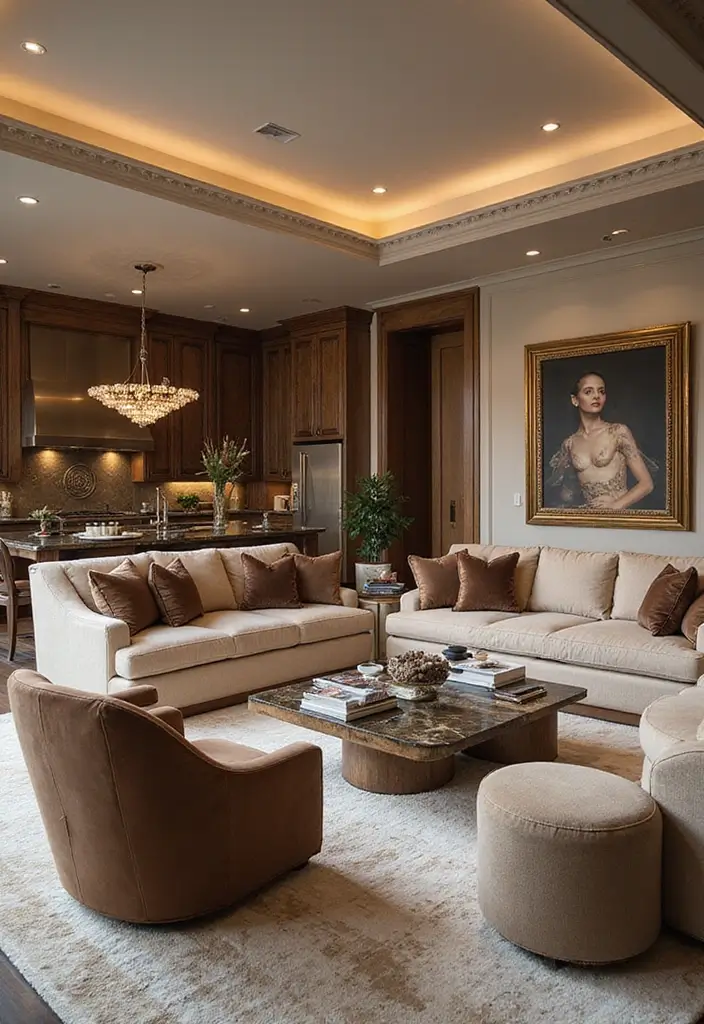
You want a space that feels rich and inviting, all in one open area. A well planned open floor plan can deliver that. You get the drama of luxury without making the room feel stiff. You can cook, dine, and relax in one connected space that still feels calm and comfortable.
Here is why this luxe approach works. Light bounces off smooth surfaces and brightens every corner. Textures draw your hands in—soft velvet, cool marble, and gleaming metal. Color ties everything together so the kitchen and living area feel like one story, not separate rooms. And when the right finishes show up, the space reads high end without shouting.
To pull this off, focus on four easy areas.
– Choose rich fabrics and materials. Think velvet cushions, wool rugs, marble counters, and glossy cabinet doors. These textures catch light and add depth.
– Use a cohesive color scheme. Pick two or three warm neutrals or a soft contrast like cream, taupe, and charcoal. Let one accent color pop in a few key places.
– Implement high quality finishes. It matters where you place them. Brushed metal, polished stone, and smooth lacquer create a refined feel that lasts.
– Add layers of lighting. Use a mix of ceiling, pendant, and table lamps. Dimmers help you switch from bright tasks to soft evenings.
Start with a statement anchor to bind the space. A grand dining table, a sculptural art piece, or a dramatic light fixture can become the room’s focal point. Build the rest around that center so the kitchen and living area feel connected, not crowded.
Put practical steps behind the style. Plan for daily use, not just show. Here is how:
– Define zones with rugs or furniture placement. Your kitchen island can cue the dining area, while a sofa group marks the living zone.
– Choose durable, easy to clean surfaces. You will use this space every day, so pick materials that hold up and age well.
– Balance scale and sightlines. Avoid oversized pieces that overwhelm the room. Keep pathways clear for easy movement.
– Keep storage in sight but not loud. Hidden cabinets and slim shelves reduce clutter and keep the luxe look clean.
Examples you can try this week. In the kitchen, pair marble countertops with high gloss cabinets and slim metal hardware. Hang a row of pendant lights over the island. In the living room, place a velvet sofa opposite a low, sleek media cabinet. Add a few metallic accents in lamps, picture frames, or a sculpture.
Next steps: sketch a quick layout, pick two or three fabrics, and source one lighting piece that anchors the space. You’ll have a chic, comfortable open plan you can enjoy every day.
10. Glamorous Touch: Luxe Living
Editor’s Choice

d-c-fix self Adhesive Peel and Stick Waterproof Marble Grey 26.5” x 78….
Amazon$21.23
Glass Pendant Light Vintage Light Fixtures, Glass Pendant Lights Kitchen…
Amazon$40.7111. Zen Space: Creating Serenity
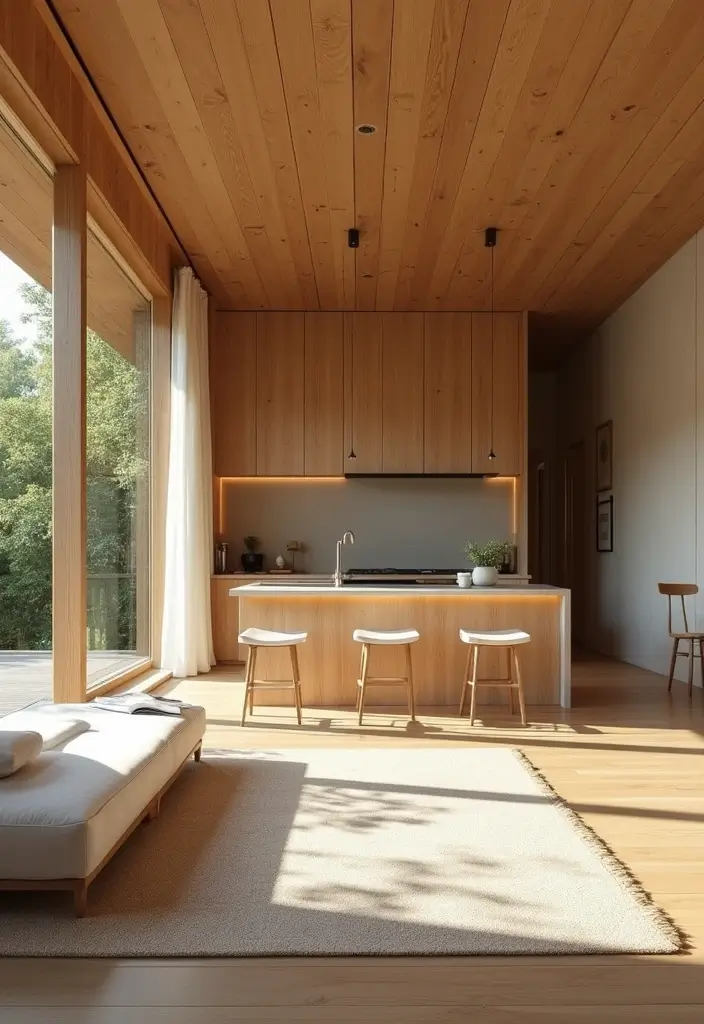
If you live in an open floor plan, you may worry that calm and order get lost in the flow. You can still build a Zen space that feels peaceful. The key is simple choices that protect light, air, and focus.
What makes a Zen space in an open floor plan
A Zen space is a quiet pocket inside a larger room. It relies on natural materials, soft colors, and minimal decoration. You will see clearer sight lines when you use low-profile furniture. You will feel calmer when light fills the room and plants bring life inside. You won’t pack every square inch with stuff. The goal is space that breathes and supports rest.
Here is how to set it up
– Natural materials first: Use bamboo, stone, and wood to add texture and warmth.
– Low-profile furniture: Choose pieces that sit close to the floor. This keeps the space open.
– Simple, meaningful decor: Pick a few items you truly love. Let these items have space to stand out.
– Meditation or relaxation corner: Create a small spot with a mat, a comfy cushion, or a lounge chair. Add a soft light nearby.
– Let light flow: Keep window areas clear. Use sheer drapes or no drapes to let daylight brighten the room.
– Bring in plants: Add 1 to 3 easy-care plants. They purify air and calm the mood.
– Soft color palette: Go with neutrals like ivory, gray, taupe. Add tiny color pops with nature tones.
– Smart lighting: Layer light with a floor lamp and a table lamp. Avoid harsh, bright overhead bulbs.
Practical layout ideas to apply today
– Define zones with texture: A rug under the meditation corner helps it feel intentional without walls.
– Control clutter: Use baskets or hidden storage so surfaces stay clean.
– Quiet sounds: A small water feature or gentle music can deepen calm.
– Allow easy movement: Leave space to sit, stretch, or shift positions without crowding.
Next steps
Walk through your room. Note where natural light lands and where clutter collects. Then place your Zen elements in those gaps. Start small and expand as you feel more relaxed. A true Zen space within an open floor plan can become your go-to retreat after a busy day.
11. Zen Space: Creating Serenity
Editor’s Choice

COSTWAY Bamboo Area Rug, 5’x8′ Natural Bamboo Floor Mat with Anti-Slip B…
Amazon$79.99
Retrospec Sedona Zafu Meditation Cushion With Buckwheat Hull Fill – Adju…
Amazon$26.99
Easy to Grow Houseplants (12 Pack) Live House Plants in Plant Containers…
Amazon$30.0912. Multi-Purpose Spaces: Versatile Living
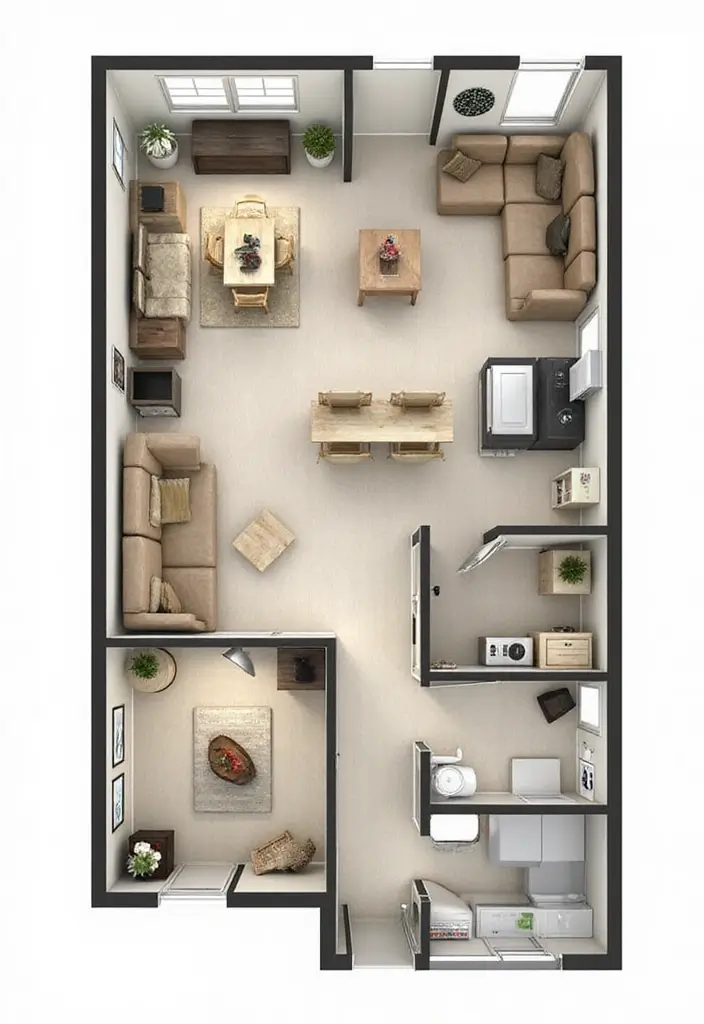
Multi‑Purpose Spaces: Flexible Living
Here is why you need multi‑use spaces in an open plan. Your home should adapt to daily life, meals, work, and guests. You want rooms that feel easy to live in, not crowded with gear you rarely use.
Here is how to make it work.
– Flexible furniture that can switch from dining to work desk.
– A sofa that can become a bed for guests without adding a separate room.
– Built‑in shelves or ottomans with hidden compartments to keep clutter low.
Here is how to set up your space.
– Choose pieces that serve two roles. A tall cabinet can hide office supplies and still look good in the living area.
– Define zones with a rug or smart seating layout. A low sofa can mark the living area while leaving the dining zone clear.
– Use vertical storage. Wall shelves and high cabinets free up floor space for movement.
– Keep colors and textures in one family. Neutral walls with wood, metal, or stone accents tie everything together.
Next steps to turn an open plan into a real multi‑use space.
– Start with three flexible pieces you love.
– Map a path that lets you move easily from kitchen to dining to lounging.
– Add a rug in each zone to define it without breaking the flow.
– Add hooks, bins, and hidden storage for quick cleanups.
Practical tips you can try today.
– Pick a kitchen island that adds counter space and seating. It can host quick meals, laptop work, or homework.
– Choose a sofa bed that feels like a real couch. When guests stay over, it gives a comfy sleeping spot.
– If you have built‑ins, plan for charging stations so laptops and tablets stay ready.
Common pitfalls to avoid.
– Don’t crowd the space. Leave a clear path for walking.
– Skip too many matching pieces. Mix wood tones or metals to add interest.
– Check the flow. Walk through with chairs pulled out to test space.
With these steps, your open plan will feel calm and ready for any activity. You get better use of every square foot, and your home stays welcoming and easy to live in.
Transform your open floor plan living room and kitchen into a multi-purpose haven! With flexible furniture and clever storage solutions, make every inch count for your daily adventures.
12. Multi-Purpose Spaces: Versatile Living
Editor’s Choice

COMAX Folding Sofa Bed Queen, 4-in-1 Foldable Floor Couch Convertible Fu…
Amazon$191.98
DUMOS 30in Foldable Storage Ottoman Bench, Storage Chest, End of Bed Foo…
Amazon$23.98
HSH 72″ Rolling Kitchen Island with Seating, 360° Swivel Table, Kitchen …
Amazon$269.98You might also like
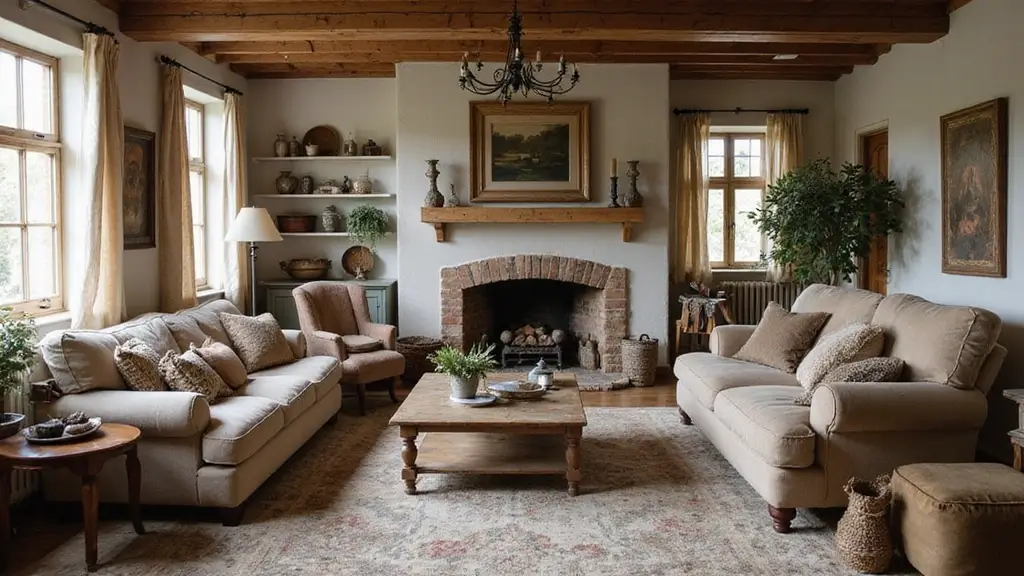
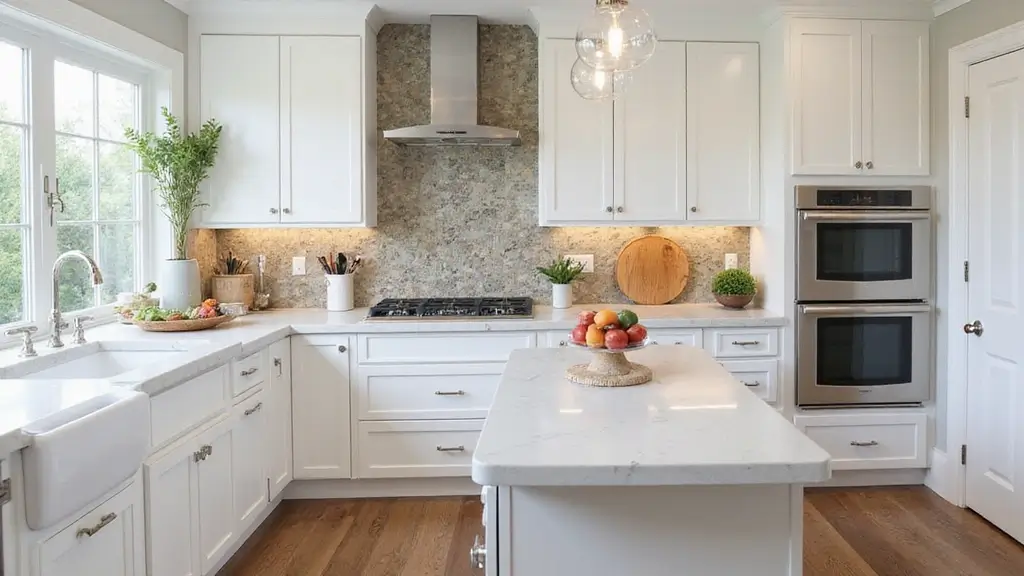
13. Smart Technology: The Future of Living
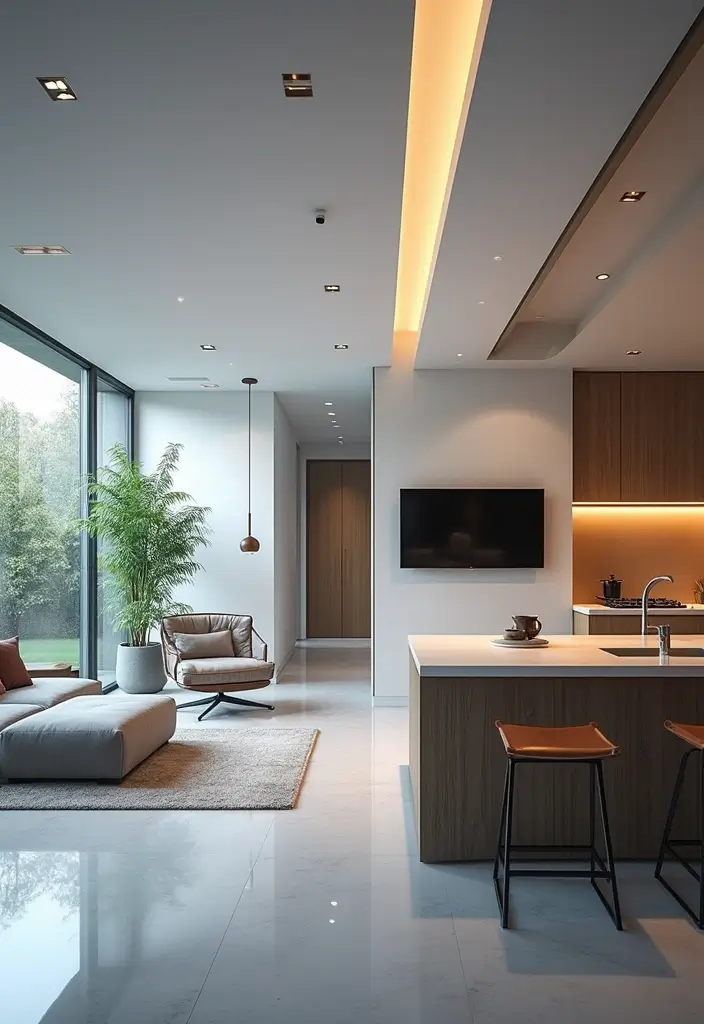
Smart Technology: The Smart Way to Live in an Open Plan
You want an open living space that feels calm, not crowded with devices. Smart tech can help you do that. You get more control, fewer hassles, and a smoother daily flow.
Here is why smart tech fits an open layout. You can switch lights, adjust the heat, and spin up music with a tap, a quick voice command, or a simple touch. A smart fridge can suggest recipes from what you already have. A smart speaker can run your favorite show and answer questions while you cook. The result is a home that works with you, not the other way around.
Smart tech to consider in an open floor plan
– Lighting that adapts to the moment: bulbs you can dim, color adjust, and schedule.
– A reliable thermostat that learns your routine and keeps rooms comfy.
– Voice assistants that act as hubs for music, timers, and questions.
– A smart fridge that checks inventory and suggests meals.
– Wireless outlets and plugs that turn gadgets on and off with a touch or voice.
– A user-friendly app that ties everything together in one place.
To keep the space clean, choose wireless devices when you can. Cords left on view steal the focus from your design. Plan for cable paths in the walls, under furniture, or inside a cabinet so wiring stays out of sight. Pick gear that is easy to use day to day.
How to set it up in your open space
– Start with a small core: a smart speaker or hub, smart lights, and a smart thermostat.
– Check your Wi-Fi: a strong signal across the whole room is essential for smooth use.
– Pick a place for the hub where it can reach most devices without a tangle of cords.
– Hide devices in cabinets or behind art. Use furniture with built-in cord management.
– Create routines: “Movie time” dims lights, lowers blinds, and starts your sound system. “Cooking mode” turns on task lighting and warm music.
Here is what to buy next if you’re starting fresh:
– Wireless lighting kit with dimming and temperature options
– Smart thermostat or a learning thermostat
– Smart speaker or voice assistant as your main control point
– Smart fridge features or a simple smart camera for your kitchen area
– Discreet power strips or wireless outlets
Next steps. Start by mapping where you spend the most time in your open plan. Then pick two to three core devices. Add one or two upgrades every month so your setup grows with your needs. This approach keeps your space usable, not crowded, and lets you enjoy the tech without feeling weighed down.
What you gain is more ease in daily routines, a cleaner look, and a home that responds to you. You don’t have to chase every new gadget. Pick the right tools, set them up thoughtfully, and you’ll feel the difference in how you live every day.
13. Smart Technology: The Future of Living
Editor’s Choice

Kasa Smart Light Bulbs, Full Color Changing Dimmable Smart WiFi Bulbs Co…
Amazon$26.99
Amazon Smart Thermostat – Save money and energy – Works with Alexa and R…
Amazon$79.99
Amazon Echo Pop (newest model), Our smallest Alexa speaker, Fits in any …
Amazon$39.9914. Outdoor Integration: Bringing Nature In
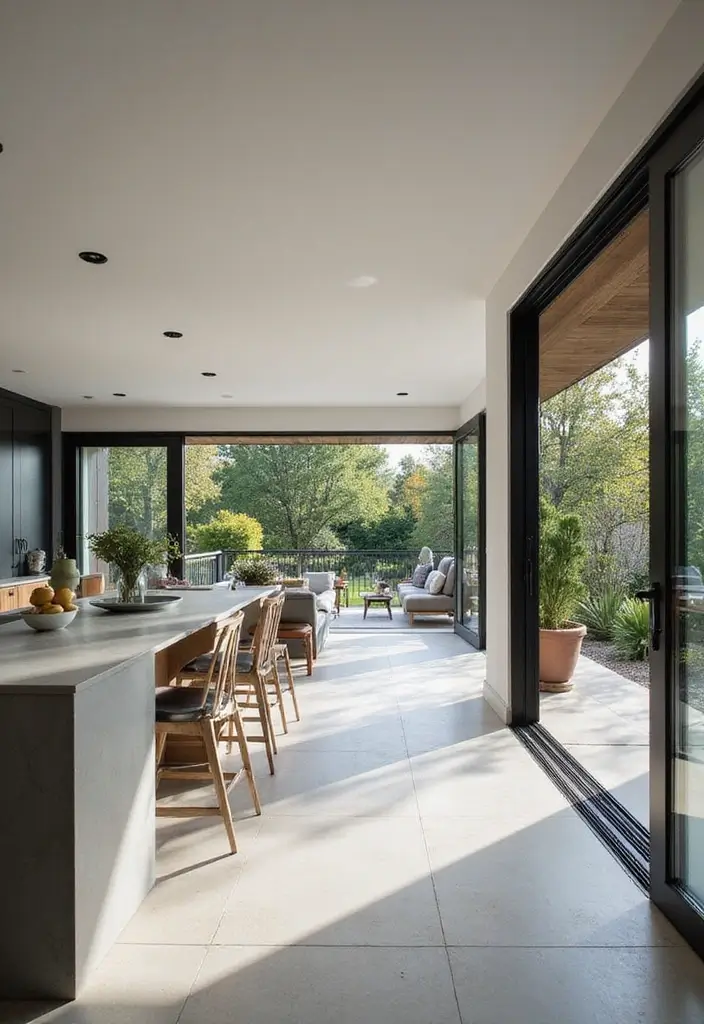
Your living room and kitchen can feel bigger when the outdoors joins the scene. You want spaces that breathe, where light moves through glass and plants soften the edges. This approach keeps your open floor plan bright and welcoming without crowding the space.
Here is why this works: it adds air, light, and a sense of calm. It makes hosting easy and daily meals more enjoyable.
Next, the practical steps.
– Bridge the gap with large glass doors: Install wide sliding or bi-fold doors that open to a patio or garden. They pull the inside and outside together and fill rooms with daylight.
– Choose a continuous floor look: Use flooring that can handle both indoor and outdoor use. A shared color or texture helps the two zones feel connected rather than separate islands.
– Pick outdoor-friendly furniture: Look for weather resistant chairs, tables, and sofas. Materials like powder coated metal, teak, or synthetic wicker hold up in sun and rain and stay comfortable.
– Define outdoor zones: Create a dining area, a lounge corner, and a small cooking space if you like. Use rugs, planters, or lighting to separate these zones while keeping the flow.
– Add plants and natural details: Use tall potted trees, herb planters, and low shrubs. Plants soften edges and bring scent, color, and texture.
– Invest in smart lighting: Choose warm, dimmable lights for evenings. Include path lights along walkways and soft overhead lighting near seating.
– Plan shade and weather protection: A pergola, retractable awning, or roll-down screens helps you enjoy both sun and shade. It protects furniture too.
– Mind practicals and budget: Check how often you use the space, the climate, and maintenance. Pick materials you can clean easily and at a fair price.
Each of these moves helps your open layout feel larger and more connected to nature. You gain another place to sit, eat, and relax without leaving the house.
Next steps: measure your space, pick two or three connection ideas, and draft a simple plan. Start with a door option, matching flooring, and a weather-safe seating set. Your home will feel lighter and more inviting.
14. Outdoor Integration: Bringing Nature In
Editor’s Choice

BeBecome Sliding Door Security Bar,17-50 inch Adjustable Patio Door Secu…
Amazon$17.90
FDW | 4-Piece Patio Furniture Set | Black | Outdoor Wicker Furniture wit…
Amazon$129.99
XMCOSY+ Outdoor Wall Lights, 2100LM Smart LED Porch Lights Outdoor, RGBC…
Amazon$89.9915. Artistic Expressions: A Creative Touch
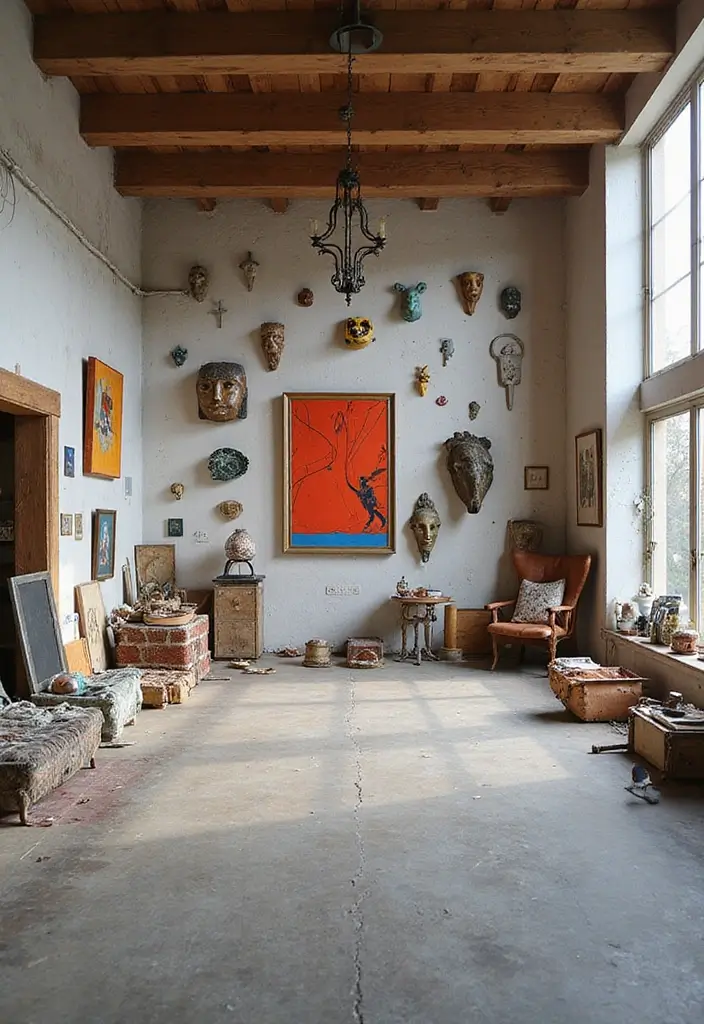
Art can set the mood in your open living area. It can be the first thing you notice as you move from the living room to the kitchen. A big wall mural or a neat row of frames can pull the space together and tell your story. Scarves of sculpture or unique decor pieces can add texture and depth. The key is balance. Let the art shine, and let the furniture help it breathe.
Choose a simple, unifying theme
Pick a color family or a feel that runs through your space. You might use warm wood tones with soft blues, or black, white, and a single accent color. Keep frames in one finish or one color to tie different pieces together. This makes a mixed art wall look deliberate, not chaotic.
Light art well
Good lighting is a must. Use two or three sources to highlight pieces without glare. Think about track lighting that you can aim, small picture lights, or wall washers that wash color softly onto the art. If you can, place lights on a dimmer so you can change the mood for a movie night or a dinner party.
Create zones for art
In an open floor plan, let art guide zones without crowding them. Put a gallery wall or a long ledge on a calm wall to act as the art hub. Let a comfy chair and a small table sit nearby to invite people to pause and enjoy. A smart arrangement makes art the anchor of the room, not an afterthought.
Mix styles without chaos
Combine different art forms—photography, prints, a sculpture or two—while keeping a shared thread. This thread could be the frame color, the mat style, or a common motif. Pair bold pieces with quieter ones and let negative space around each piece do the talking.
Practical steps to get started
– Start with one big statement piece on the main wall.
– Add a gallery rail or open shelves so you can swap pieces easily.
– Pick frames in the same family and vary mat sizes for interest.
– Test scale: large works for big walls, smaller works in groups.
– Use art to pick textiles and accessories, like cushions or a rug.
Common mistakes to avoid
– Too many pieces on one wall. It looks crowded and competes for attention.
– Loud colors everywhere. They butt heads with art instead of supporting it.
– Ignoring lighting. A piece can disappear in shadow.
Care and rotation
Rotate pieces with the seasons or as you refresh the room. Use UV protection on glass to save colors. Clean frames gently and dust sculptures regularly.
Next steps: sketch your dream wall, pick two or three pieces, and test how they feel in your space. With thoughtful art and steady lighting, your open plan becomes a true room to admire.
15. Artistic Expressions: A Creative Touch
Editor’s Choice

Giftgarden 14 Pack Black Picture Frames with Mat for Various Sizes Photo…
Amazon$36.99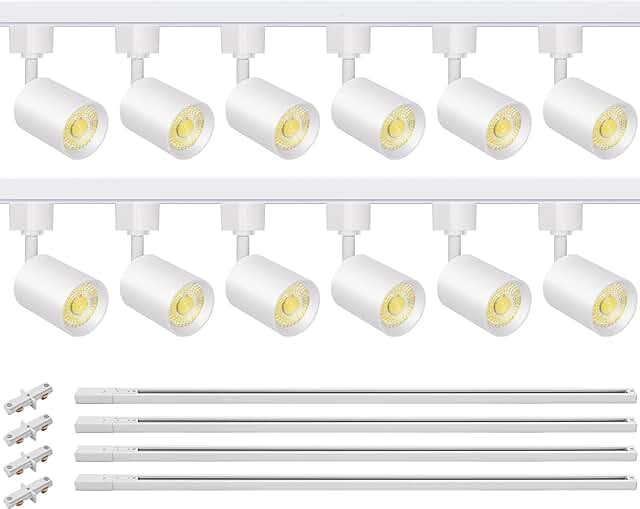
VANoopee 12-Light LED Track Lighting Kit with 13FT H Type Track Lighting…
Amazon$199.99
Anglelife 8 Pieces Large Display Risers, 4″ Wide Clear Rectangular Table…
Amazon$18.6916. Open Shelving: Functional and Chic
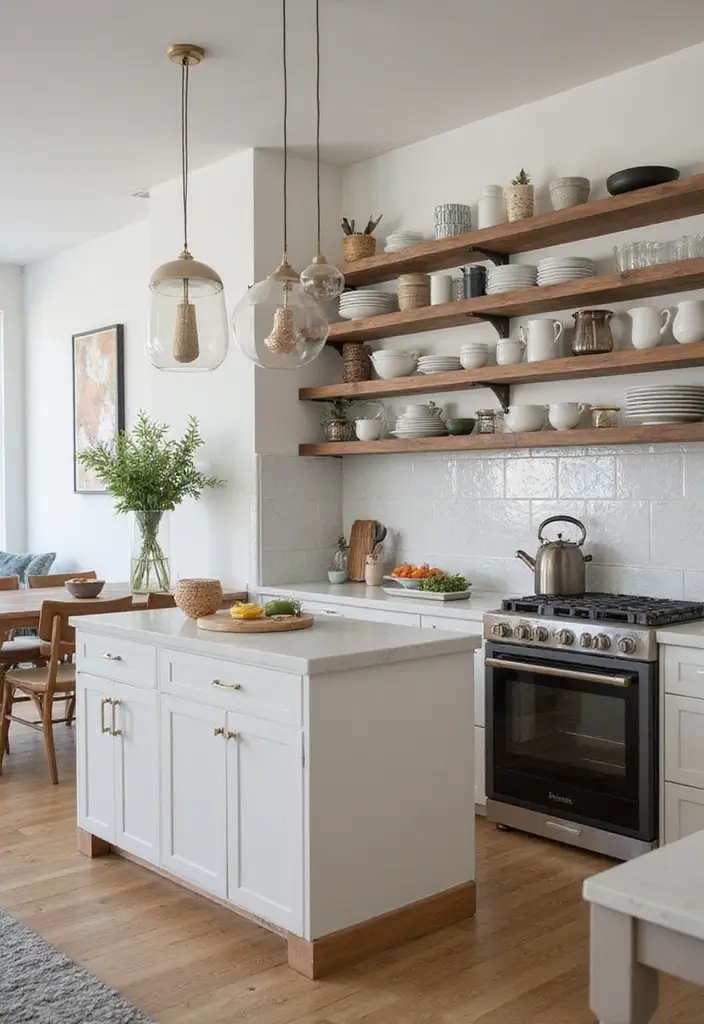
Open shelving in an open floor plan gives you easy access. It also adds character to the room. You can reach cups, plates, and glassware quickly. At the same time, you show pieces you love. It works best in kitchens where your dish collection acts as daily decor. Pick a color scheme and let shelves breathe with simple, matching items.
Here is why open shelves can be a smart move:
– They make the room feel bigger by removing weight from walls.
– They add texture with wood, metal, and glass.
– They show your personality through color and arrangement.
What to display and what to skip
– Only show items that fit your style. Match metals, woods, and ceramics for a cohesive look.
– Group items in small clusters. Think three or four pieces per shelf.
– Leave some shelves lighter. A bit of negative space keeps things calm.
– Use baskets or boxes for items you need but don’t want on show.
Practical setup tips you can use this weekend
– Choose shelves that sit on strong brackets. Wood or metal works well.
– Pick a finish that fits your kitchen. A warm oak blends with natural tones. Matte black creates a modern feel.
– Place frequently used dishes on lower shelves. Put decorative pieces higher up.
– Add a tray or a small plant to soften the edges. Greenery brings life to the space.
Maintenance and real life limits
– Dust your shelves often. Open storage gets noticed fast.
– Keep items in good shape. Check for chips and cracks.
– If your kitchen is busy, skip fragile items on the top shelves. Heavy items belong lower.
Implementation steps you can follow
– Step 1: Measure the wall space and mark stud locations.
– Step 2: Choose shelf length and bracket style.
– Step 3: Plan a color rhythm. Start with one hue and add two supporting tones.
– Step 4: Install shelves at a height you can reach without a stool.
– Step 5: Style each shelf in small groups. Step back and adjust until the look feels calm.
Common questions
– Will open shelves stay neat? Yes, when you curate and rotate items.
– How high should shelves go? Level with your waist for easy access; higher shelves can hold decor only.
Take the leap with care. Open shelving can lift both function and mood. With the right pieces and a plan, you get a kitchen that feels bigger and more you. If you share the space, talk with others about what to display and rotate pieces with the seasons to keep things fresh.
16. Open Shelving: Functional and Chic
Editor’s Choice

AMADA HOMEFURNISHING Floating Shelves, Wall Shelves for Bathroom/Living …
Amazon$21.99
Storage Baskets for Organizing, Woven Decorative Baskets for Shelves – B…
Amazon$33.99
Sprout N Green Live Succulent Plants, 5 Pack Assorted Real Succulents Po…
Amazon$5.9917. Layered Lighting: Set the Mood
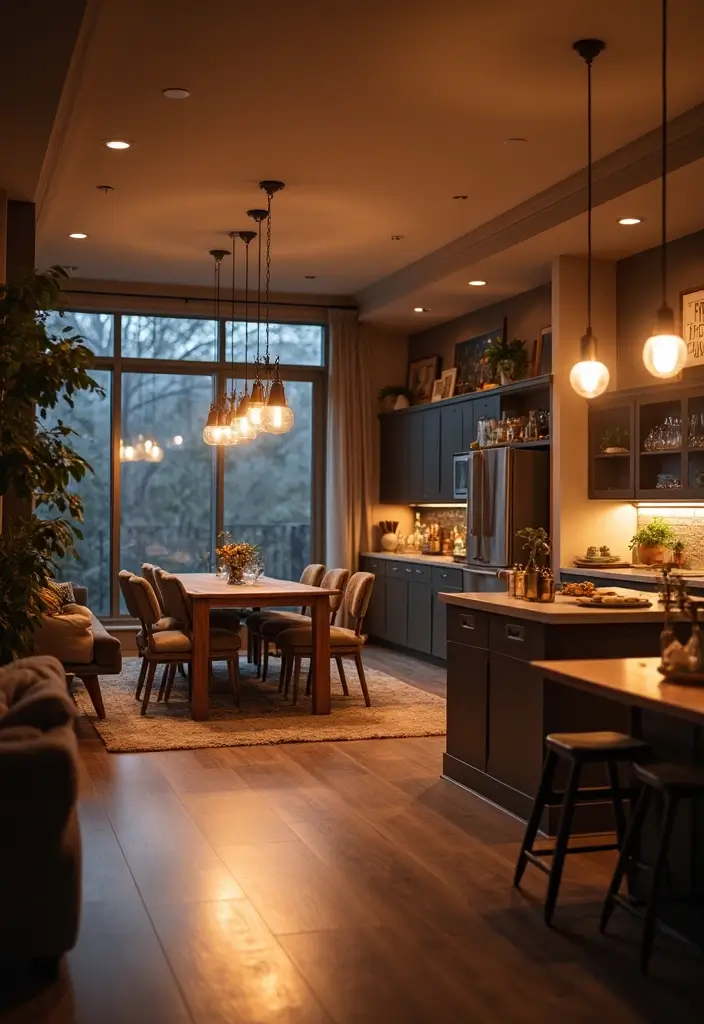
If you have an open floor plan, you probably love the space but not the lighting. A mixed setup can leave some areas dim and others too bright. Layered lighting solves this by giving you clear zones, easy mood control, and a welcoming glow all day long.
Here is how to build layered lighting in your open plan.
– Three light layers create depth and flexibility. Ambient lights brighten the whole room. Task lights focus on cooking counters, desks, and reading spots. Accent lights highlight art, shelves, and texture on walls.
– Kitchen island glow matters most in a busy open kitchen. Pendant lights above the island provide real work light and a visual anchor. Keep the height around 30 to 36 inches above the surface for comfort. If your ceiling is higher, add a second row of pendants or a slim fixture to balance the space.
– Living room focus starts with ceiling spots. Recessed lights offer even base brightness. Add a couple of lamps in corners to soften the feel. Choose warm bulbs to invite coziness where people gather.
– Control your mood with smart and simple tools. Dimmer switches let you lower the glow for movie nights. A simple plug-in timer helps you wake up or wind down with light. Use a consistent color temperature in different zones to avoid jarring shifts.
– Natural light as a helper can cut down on artificial work. Let daylight fill the room when you can. Use sheer curtains that soften sunbeams without blocking view. Position furniture to catch light and reduce glare on screens.
– Practical plan starts with a quick map. Mark where you sit, work, and entertain. Note fixture styles that fit your kitchen and living room. Pair finishes like brass, matte white, or brushed metal for a cohesive look.
What you gain from layered lighting is real control. You can brighten tasks and dim the room for calm moments without swapping lamps. You also get better color and detail in fabrics, walls, and cabinetry. This setup scales with you—add a few more fixtures as your space evolves.
Next steps to implement
– Measure ceiling height and choose fixture sizes that feel balanced.
– Pick bulbs in the 2700K to 3000K range for warm coziness or 3500K for a clear, neutral feel.
– Use dimmable fixtures and simple controls for easy adjustments.
– Test how daylight changes the room through the day and adjust window treatments.
– Create a simple lighting plan that maps each zone in the open area.
With these steps, your open floor plan will glow with purpose. You’ll have enough light to cook, read, and chat, and enough ambiance to relax.
17. Layered Lighting: Set the Mood
Editor’s Choice

Linkind A19 LED Light Bulbs Dimmable, 60W Equivalent, 2700K Soft White, …
Amazon$12.74
Modern Black Farmhouse Pendant Light with Glass Shade,Industrial Pendant…
Amazon$19.9918. Textured Walls: Adding Depth
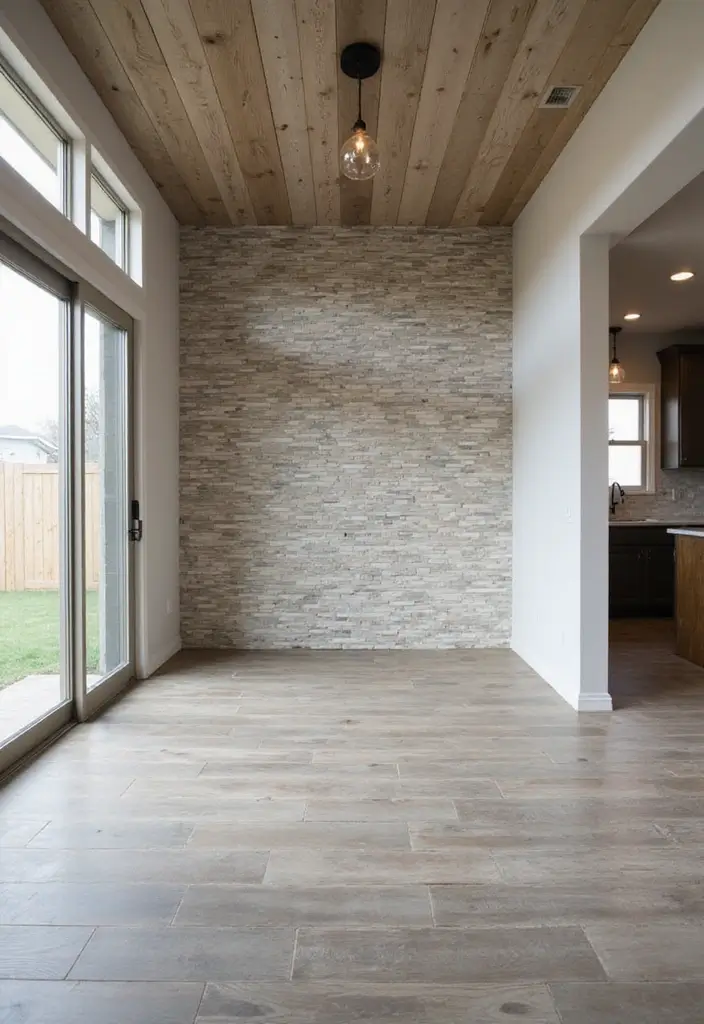
Textured walls can add depth to an open floor plan. They break the flat look and give your room character.
Here is why textures work in open spaces: light hits the wall differently, so corners feel warmer and more inviting.
Options you can try
– Wainscoting: raised panels or beadboard bring classic charm to a living room, dining nook, or hallway.
– Shiplap: horizontal boards add a casual, coastal vibe without overpowering the room.
– Textured paint: a brush stroke, rag roll, or limewash creates subtle patterns right on the wall.
– Textured wallpaper: a raised pattern or woven look can become the star without making the space busy.
– A feature wall: pick one wall behind the couch or at the end of the kitchen island to stand out.
Next steps for balancing your walls
– Balance texture with smooth surfaces. A glass coffee table, clean sofas, and sleek cabinetry keep the feel calm.
– Pick a cohesive color palette. Use one main color and a lighter or darker shade for texture.
– Consider scale. Large textures work in big rooms; tiny textures suit cozy corners.
Lighting helps textures shine
– Use warm, soft lighting to reveal depth. Avoid harsh lights that flatten details.
– Add a wall wash or gentle grazing light along textured walls for subtle drama.
Practical ideas you can implement soon
– Living area trick: apply shiplap on part of a wall behind the sofa and keep the rest smooth.
– Kitchen trick: install a shiplap backsplash or a beadboard panel at the prep zone for a friendly look.
– Entrance touch: frame a textured accent wall in the hall to guide guests into the open plan.
Keep these points in mind
– Start small. Pick one wall to test the effect before a full makeover.
– Budget-friendly options exist. Even paint textures or wallpaper can fit a modest budget.
– Avoid too many different textures in one room. Too much can scatter the eye.
With texture placed well, your open layout will feel warmer and more inviting, and the space will read as deliberate rather than busy. Take your time and test samples in natural light to see how the wall reads in morning and dusk.
18. Textured Walls: Adding Depth
Editor’s Choice

Haimin Grasscloth Textured Wallpaper 24in X 393in Fabric Contact Paper W…
Amazon$39.99
Commomy 10 Pcs Faux Wood 3D Wall Panels Peel and Stick -11.8″x11.8″ Ultr…
Amazon$29.88
U.S. Art Supply Acrylic Modeling Paste – 16.9oz (500ml) Lightweight, Fle…
Amazon$16.9919. Bold Fixtures: Eye-Catching Elements
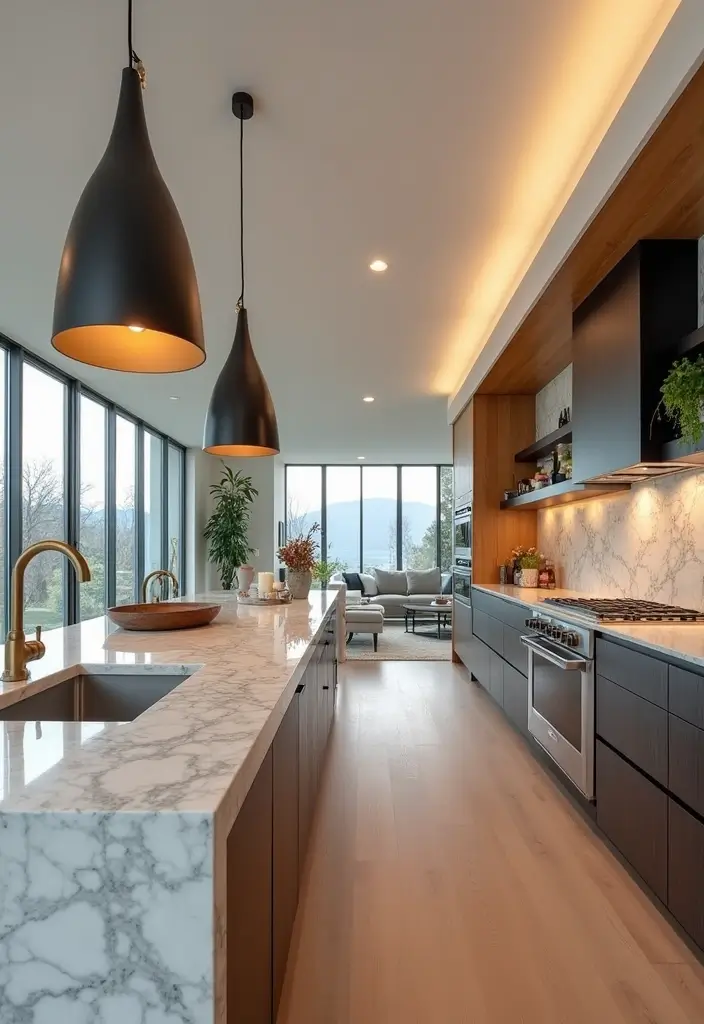
Bold fixtures act as the jewelry of an open floor plan. They finish the look and give your space a clear sense of style. Think oversized pendant lights, a dramatic faucet, or cabinet hardware that stands out. These elements do more than shine. They draw the eye and shape the vibe from the kitchen to the living room. If your space feels a bit flat, one bold piece can change the feel fast. Here is why bold fixtures matter and how to choose them well.
– Choose fixtures that fit your overall theme. A rustic space loves warm metals. A modern look wants clean lines and smooth finishes. Let the rest of the room guide the finish and size.
– Make scale fit your space. Large rooms can handle bigger pieces. Small rooms sing with one striking item rather than a crowd.
– Mix materials and finishes. Pair matte black with brass. Combine glass with wood. The mix adds depth and keeps the eye moving.
Next, practical ideas you can use now.
– Put a cluster of pendant lights over a kitchen island. Use three or five lights in varied heights for visual interest.
– Install a statement faucet at the sink. Go for a bold shape or an unusual finish like matte copper or brushed brass.
– Choose cabinet hardware that acts like jewelry. Big knobs or long pulls in a different metal can anchor cabinets without overpowering the room.
– Add a wall sconce or two near seating areas. A light with a friendly glow makes the open plan feel welcoming.
Tips to make it work.
– Keep a clear design thread. Let one metal or finish repeat in small doses elsewhere in the room.
– Think lighting layers. Combine ambient light with task lighting and a tiny accent glow. This makes the space feel warm and useful.
– Check the height and reach. Pendant lights should be easy to use and not bump heads. Faucets should be comfortable to grip and reach.
– Don’t fear negative space. If a bold piece dominates, keep other elements simple and quiet.
Common questions you might have.
– How bold should I go? Start with one standout piece and build around it. You can add more later if you wish.
– Will bold fixtures clash with a new couch or rug? If the colors stay within your theme, they will harmonize rather than clash.
– How do I care for metallic finishes? Wipe with a soft, dry cloth. Avoid harsh cleaners that can dull the finish.
Bottom line: bold fixtures give your open floor plan personality and direction. With careful choice, a few eye-catching pieces anchor the kitchen and living room, making the whole space feel complete and inviting. Your open plan will stand out with unique fixtures that leave a memorable impression.
19. Bold Fixtures: Eye-Catching Elements
Editor’s Choice
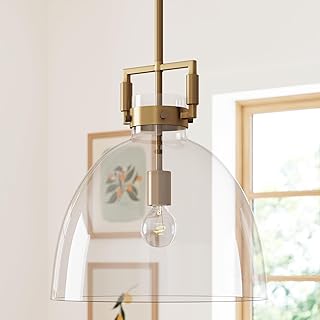
Nathan James Leigh Pendant Lighting, Hanging Ceiling Light with Oversize…
Amazon$175.00
FORIOUS Kitchen Faucets with Pull Down Sprayer, Brushed Nickel High Arc …
Amazon$32.98
Royal Kraft Vintage Multicolor Painted Ceramic Pull Knobs for Kitchen Ca…
Amazon$11.9920. Custom Built-ins: Maximizing Space
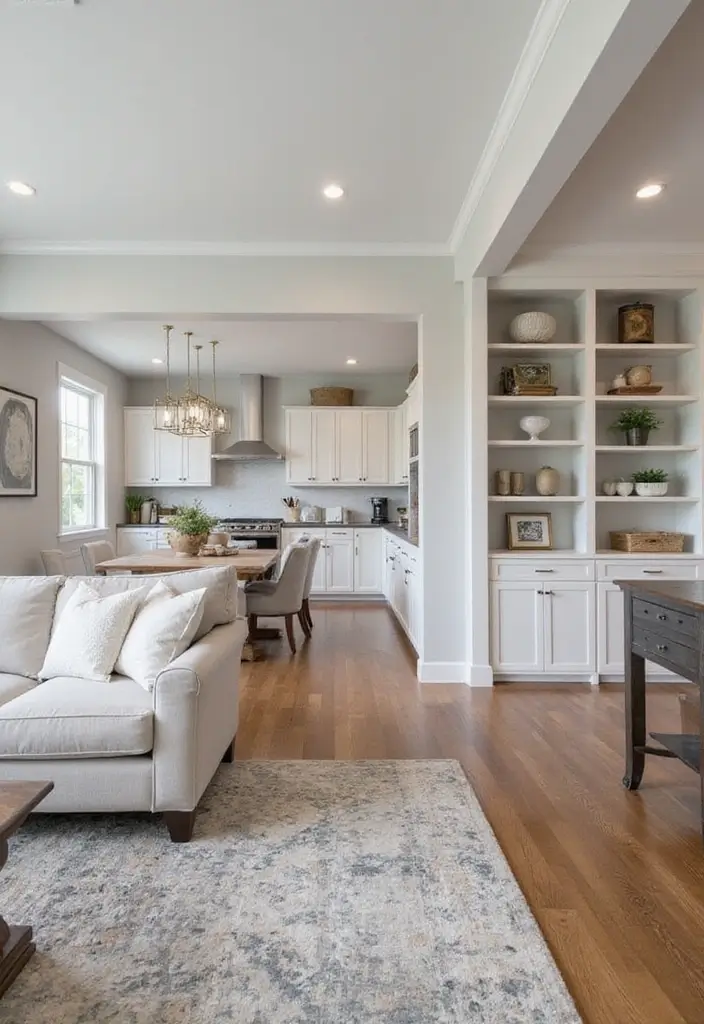
If your open living room and kitchen feel a bit busy or short on storage, built-ins can fix that. Custom pieces made to fit your space give you room to tuck things away and still keep the airiness you want.
What built-ins do for you
– They store books, games, and dishes without crowding the room.
– They display photos and keepsakes in a tidy, inviting way.
– They create soft zones between living and cooking areas without blocking light.
– They hide clutter behind doors and drawers for a clean, calm look.
Plan your built-ins in open floor plans
– Decide what you need the most. Do you want extra shelves, hidden storage, or a place to sit and tie shoes? Start with one clear use.
– Match your style. Pick a wood tone and finish that echo your floors and furniture. Let the hardware be simple so it blends.
– Choose a layout. A low divider with open shelves can separate spaces. A tall cabinet wall can hide appliances or supplies. A window seat with drawers adds warm seating and storage.
– Mind the size. Measure ceiling height, wall depth, and the space people walk through. Leave enough room for doors to open and for traffic to pass.
– Mix open and closed storage. Use open shelves for display and closed cabinets for clutter. This balance keeps the space lively yet neat.
– Think about lighting. Add under-shelf lights or small LEDs to brighten items and keep the area usable after dark.
– Pick materials wisely. Real wood feels warm, but plywood with a veneer is strong and budget friendly. Solid doors are durable; glass doors show off items without making pockets look crowded.
– Plan for power and plumbing. If you need outlets in a cabinet or a built-in fridge space, hire a pro to do the rough work safely.
– Keep it flexible. Use modular pieces that can move if your needs change. This makes future updates easier.
– Choose quick, clean looks. Glass fronts or light paint can keep the setup feeling open and fresh.
– Prepare for install. Have a clear plan with measurements, a simple drawing, and a realistic timeline.
Practical ideas you can use
– A shallow, open shelf next to the seating area can hold remote controls and books. A cabinet below hides items you don’t want on show.
– A love-seat nook with drawers underneath gives you cozy seating and space for blankets and games.
– A kitchen wall with a mix of cabinets and a small countertop extension can hold a coffee station or daily dishes.
Care, limits, and budget
– Dust shelves weekly and wipe wood with a soft cloth. Avoid water on wood to keep the finish nice.
– Built-ins cost more than ready-made pieces. Plan a budget and a phased build if needed.
– Deep shelves look great, but they can be hard to reach. Keep the top shelves lighter so you don’t miss items.
Next steps
– Sketch a quick floor plan showing where you want shelves, drawers, and seats.
– List the items you will store and display.
– Talk with a carpenter or cabinet maker about your plan and a realistic timetable.
If you start with a simple idea and build from there, your open floor plan can feel calmer and more useful. Start small, test a look, and grow as your needs change.
20. Custom Built-ins: Maximizing Space
Editor’s Choice

BAYKA Floating Shelves for Wall, Wall Mounted Rustic Wood Shelves for Ba…
Amazon$20.99
SONGMICS MAZIE Collection – 43 Inches Folding Storage Ottoman Bench, Ott…
Amazon$47.99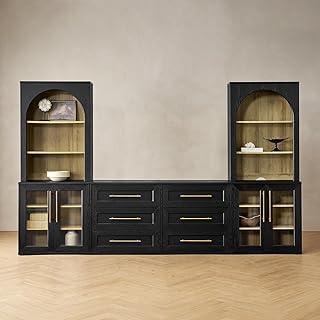
mopio Blake 4 Piece Entertainment Center with Storage, Modern Farmhouse …
Amazon$1,569.0021. Sustainable Design: Eco-Friendly Choices
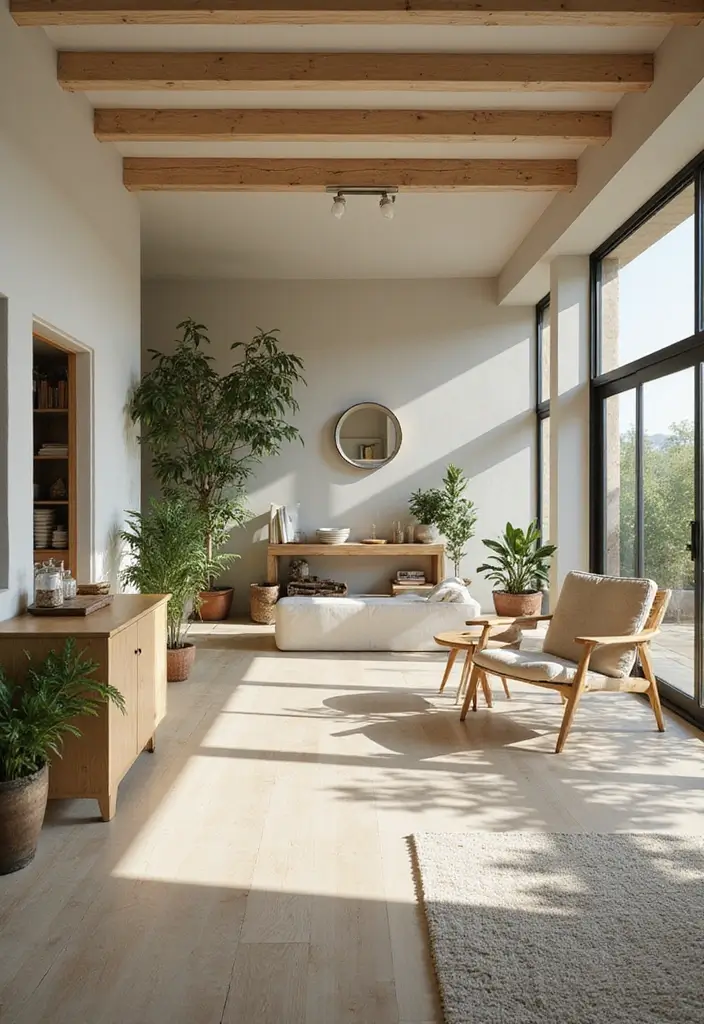
You want an open living space that looks great and stays easy on the planet. You also want clean air, lower bills, and less waste. That start point helps every decision you make. Here is how to bring eco-friendly choices into your open floor plan.
– Materials that matter. Choose floorings and furniture that come from green sources. Reclaimed wood, bamboo, cork, and recycled metal work well in open spaces. Pick fabrics that are natural and breathable. This keeps the room feeling warm and inviting.
– Kitchen gear that uses less energy. Look for ENERGY STAR appliances. A smart fridge and efficient stove can cut daily energy use. Use power strips so you can shut off idle devices. Small steps add up in a big room.
– Low-VOC paints and finishes. Health and clarity matter. Choose paints with low volatile organic compounds. They reduce fumes and keep the air fresh. Apply sealants and finishes that water-based and low odor as well.
– Light and air first. Open floor plans shine when they get natural light. Use large windows and sheer curtains to brighten spaces. Position seating to take advantage of daylight without glare. Cross-ventilation helps you stay cool with less cooling.
– Textiles and decor that breathe. Favor natural fibers like cotton, linen, and wool. Avoid heavy synthetics that trap odors. Look for dyes and finishes that are plant-based or low impact. Simple, clean decor keeps the air from feeling heavy.
– Smart layout choices. Remove barriers that block air flow. Keep high cabinets away from doors that open to hallways. Use open shelves instead of bulky walls where possible. This helps air move and makes the space feel bigger.
– Maintenance and care. Regular cleaning reduces dust and chemical buildup. Vacuum with a HEPA filter. Wash textiles with gentle, plant-based cleaners. A tidy space stays healthier and lasts longer.
– Budget and realism. Eco-friendly options can cost more upfront. Look for mid-range materials that still meet your goals. Plan for upgrades over time rather than all at once. Your plan should fit your wallet and your ethics.
Let these choices guide you. The result is a bright, breathable open floor plan that feels calm, clean, and responsible. Next steps: pick one or two ideas to start, then build out from there.
21. Sustainable Design: Eco-Friendly Choices
Editor’s Choice

Eco-Friendly Bamboo Floor Vase – Handmade Decorative Tall Vase 14.2″ for…
Amazon$22.79
Sweetcrispy 3.2 Cu.Ft Mini Fridge with Freezer Small Refrigerator Single…
Amazon$134.92
Rodda Paint CASCADIA ZERO Interior Satin Low VOC Paint & Primer in One, …
Amazon$18.1122. Colorful Backsplashes: A Fun Detail
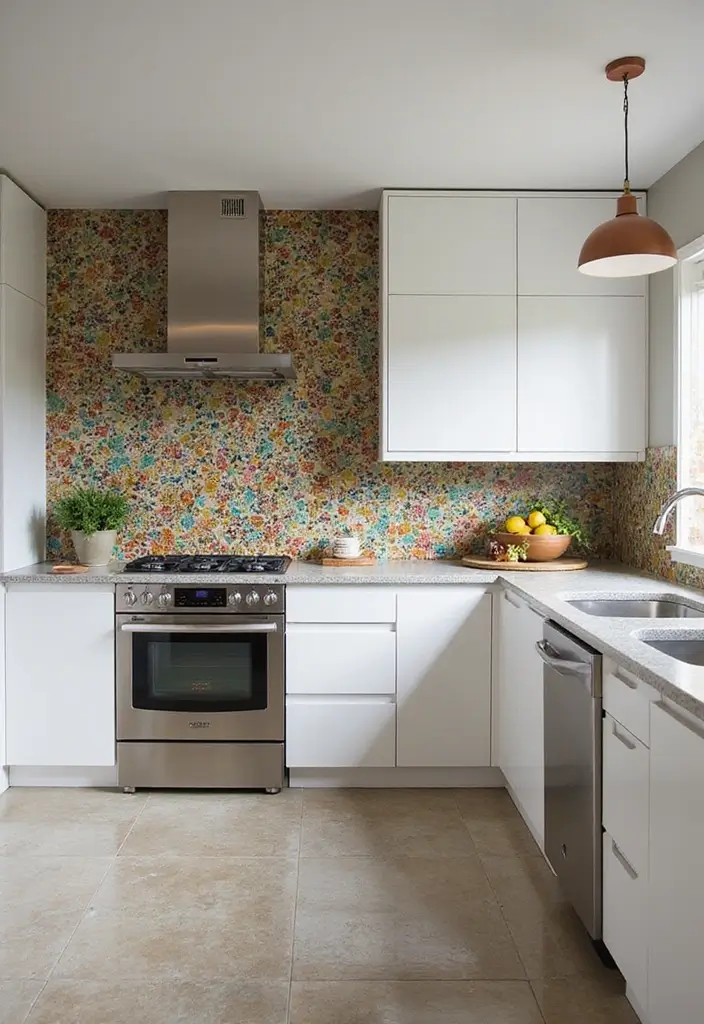
Colorful Backsplashes: A Fun Detail
Open plans feel empty when walls stay plain. A colorful backsplash can bring warmth and energy to your kitchen space. It acts as a focal point that ties the room together and shows your style. With the right color, it echoes what you already love in your cabinets, counters, and decor.
Here is why a colorful kitchen backsplash matters. It controls the look of the room without saying a word. It protects walls from splashes in cooking zones. It adds a splash of personality that you can update with simple changes later.
Let’s break it down with real options you can use.
– Match hues with your cabinets Pick a tile shade that mirrors the wood or paint on your cupboards.
– Balance bold patterns with calm surroundings If the backsplash is busy, keep countertops and hardware simple.
– Choose a durable material Ceramic or porcelain tiles wipe clean and last through daily use.
– Think about grout color A light grout enlarges the look of the tiles; a dark grout hides stains and spills.
– Consider ease of care If you cook a lot, pick a finish that handles heat and fingerprints well.
– Color accents Add a bright stripe near the top or bottom to frame the layout.
Next, explore some popular options.
– Geometric patterns Triangles, diamonds, and tessellations create a modern vibe.
– Mosaic panels Small tiles form playful pictures or color blocks.
– Glass backsplashes They reflect light and brighten a room.
– Metal sheets Copper, brushed nickel, or brass add a slick, contemporary edge.
– Two-tone combos Pair one bright tile with a softer shade for depth.
– Color gradients A subtle shift from light to dark adds depth without shouting.
How to bring these ideas to life without a big project.
– Plan the layout first Decide where the seams will land and center the pattern.
– Prep the wall Clean and dry the surface before you start.
– Fix the edges Use painter’s tape and trims to mask edges for a neat finish.
– Choose a mounting path you can handle For a quick update, try a peel-and-stick option that suits your space. Check heat tolerance if it is near the stove.
– Keep cleaning simple Wipe with a soft cloth and mild soap after cooking.
– Ask for samples Put tile swatches on your wall idea board to see lighting.
Next steps. Decide which option fits your budget and style. Then gather a few samples and test how they look with your lighting and wood tones. When you see a combo you love, you can start small and grow the color story across your open plan. Take photos in day and night light to see how color reads in different moods.
22. Colorful Backsplashes: A Fun Detail
Editor’s Choice

STICKGOO Thicker Design Peel and Stick, Self Adhesive Stick On Tile Back…
Amazon$34.99
Vamos Tile 100-Piece Glossy Dolomite White Peel and Stick Backsplash Til…
Amazon$39.99
1100 Pcs Mosaic Tiles, Glass Mosaic Tiles for Crafts Bulk, Stained Mosai…
Amazon$19.8823. Creative Room Dividers: Defining Spaces
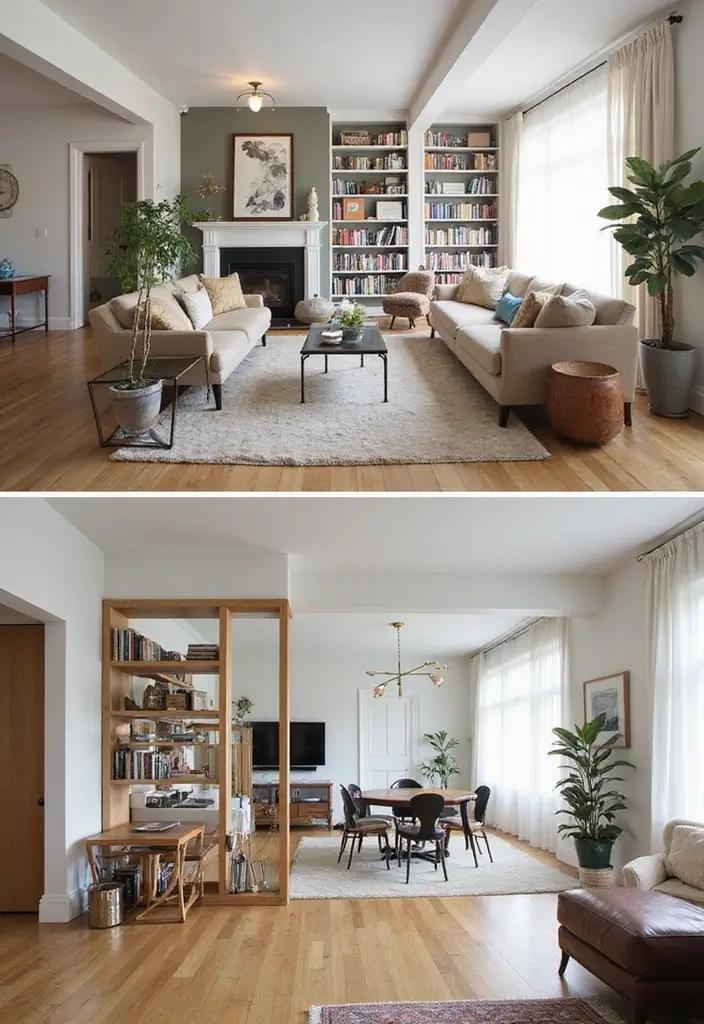
Creative Room Dividers: Defining Spaces
Here is why you want room dividers in an open plan. You can separate cooking, dining, and lounging without cutting light or sight lines. You keep the space flexible, ready for daily life or entertaining.
First, choose your divider type. Bookshelves work well as a feature wall and storage. Sliding panels offer privacy when you need it and vanish when you don’t. Decorative screens add texture and art without heavy blocks. Mix and match, but keep the look cohesive with your furniture and color.
Next steps to place dividers for best light and flow:
– Pick designs that fit your style. If you love modern, use clean lines and metal frames. If you prefer cozy, try wood with a warm finish.
– Use clear or semi-clear materials. Glass fronts, frosted panels, or open shelves let light pass through.
– Add life. Plant shelves or small planters in a divider bring color and a fresh scent.
Here is how to use each option well.
– Bookshelves: Keep them low enough to see across the room. Leave gaps for air and light. Display a few favorites, not a wall of items.
– Sliding panels: Use them to hide a cluttered corner or a TV nook. When you slide them open, sight lines stay open.
– Decorative screens: Choose screens with light patterns. They create interest without feeling heavy.
– Plant dividers: A row of tall planters or a built-in green wall adds texture and mood.
Practical tips you can apply today.
– Install with your daily routes in mind. Do not block a main path to the kitchen or sofa.
– Mix height. Vary the top of the divider to create a rhythm you notice as you move through the space.
– Add lighting near dividers. A wall sconce or a tabletop lamp can highlight a zone.
– Use color accents from your furniture to tie the space together.
Common questions you may have.
– Will this shrink the room? If you pick light materials and keep lines open, the space stays airy.
– Do I need a pro? Simple shelving or screens can be a DIY project. For big panel systems, a pro helps with precise gaps and mounting.
Next steps: map your space, pick two or three divider ideas, and test their look with tape or cardboard. Then move to real pieces when you’re sure of the feel.
23. Creative Room Dividers: Defining Spaces
Editor’s Choice

Rattan Room Divider with Built-in Bookshelf | Foldable Privacy Screen & …
Amazon$159.99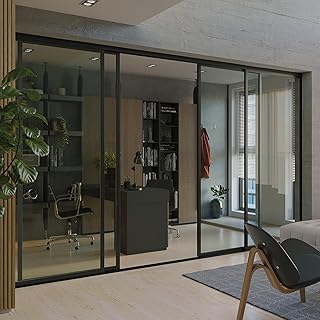
Doors 55 Glass Room Divider Panel and Partition Wall, 4 Panel Room Divid…
Amazon$1,899.00
Roundhill Furniture Oriental Shoji 4 Panel Screen Room Divider, Cherry
Amazon$79.9924. Integrated Dining Areas: Seamlessly Connected
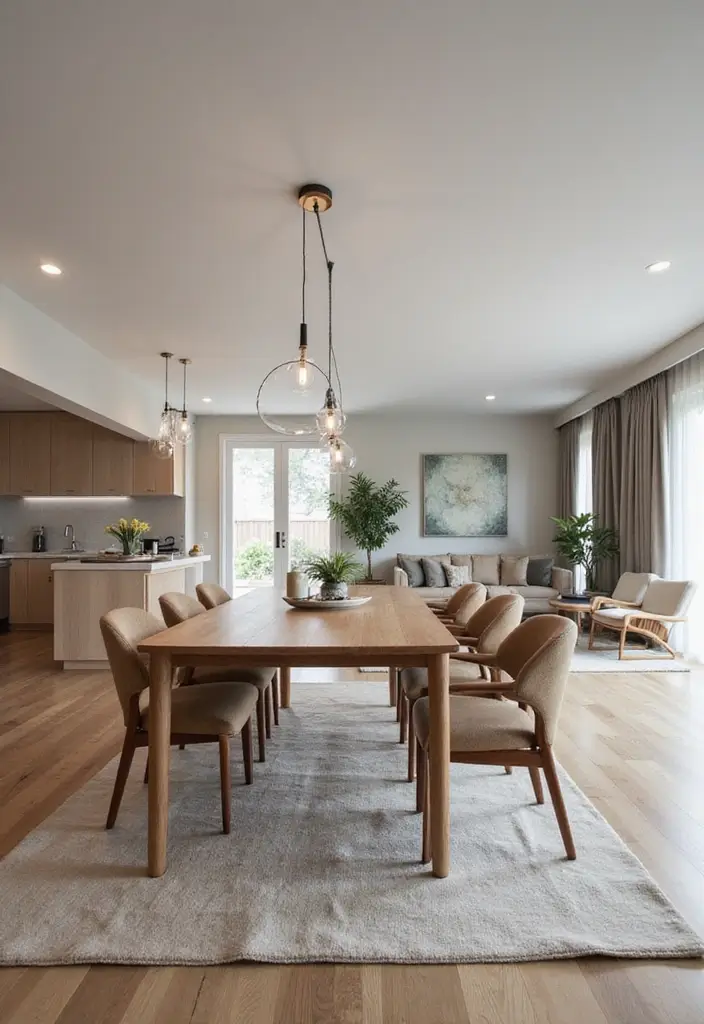
If you have an open floor plan, you might worry that the dining area will feel separate or out of place. You want the kitchen, dining, and living space to look like one easy flow, not three small rooms. Here is a clear plan to make that happen.
A central dining hub helps the space feel linked. A large table in the middle acts as the main place for meals, chats, and games. It draws people from the kitchen to the living area without forcing you to pick sides. With this setup, you can cook, eat, and relax in one connected stretch.
To keep the look consistent, use shared design cues across zones. This creates a calm, unified vibe you can enjoy every day. Focus on these practical moves:
– Use similar materials for dining and kitchen pieces. If your kitchen features wood cabinets, carry that wood tone into the dining chairs or a sideboard.
– Choose chairs that echo the style of your kitchen stools and living room seating. A common silhouette makes the trio feel like one room.
– Repeat finishes and colors. Pick a simple color story and repeat it through tabletops, upholstery, and accents.
– Create a lighting focal point above the table. A row of pendant lights or a single bold fixture anchors the dining area.
– Mark the dining zone with a rug. A well-chosen rug adds texture and defines the space without closing it off.
– Keep paths clear. Place the table so you can move around easily and reach the island or counters without bumping shoulders.
This approach helps your open plan feel welcoming and practical for family meals or casual nights with friends.
Next, think about real questions people ask. Will a big table crowd the space? If you balance the size with smart clearance, you’ll still feel roomy. Worried about losing cozy corners? Add soft texture nearby—throws, cushions, and a low sofa tucked into a corner can stay warm.
Here are quick steps you can try soon:
– Take a look at your kitchen colors and pick a dining table that fits. It should feel comfortable and invite people to gather.
– Bring home a rug sample to test how it looks with your floor and furniture.
– Install pendant lights above the table and adjust the height so they brighten the surface but don’t glare.
– Rework seating arrangement so every seat has a view of the room and you can move to the kitchen or living area without stepping over furniture.
With these moves, your open floor plan will feel connected, practical, and easy to live in every day.
24. Integrated Dining Areas: Seamlessly Connected
Editor’s Choice

Round Dining Table for 4,Kitchen Dining Room Circle Dinner Pedestal Tabl…
Amazon$99.99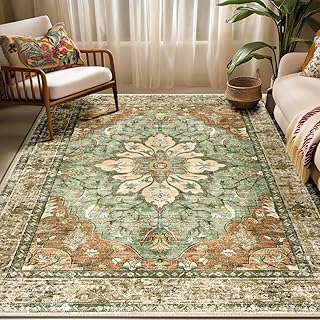
Area Rugs 5’x7′ Washable Non-Slip, Floral Vintage Distress Print Pattern…
Amazon$33.99
Modern Black Farmhouse Clear Glass Cylinder Pendant Light Fixture,Island…
Amazon$43.9025. A Touch of Vintage: Nostalgic Charm
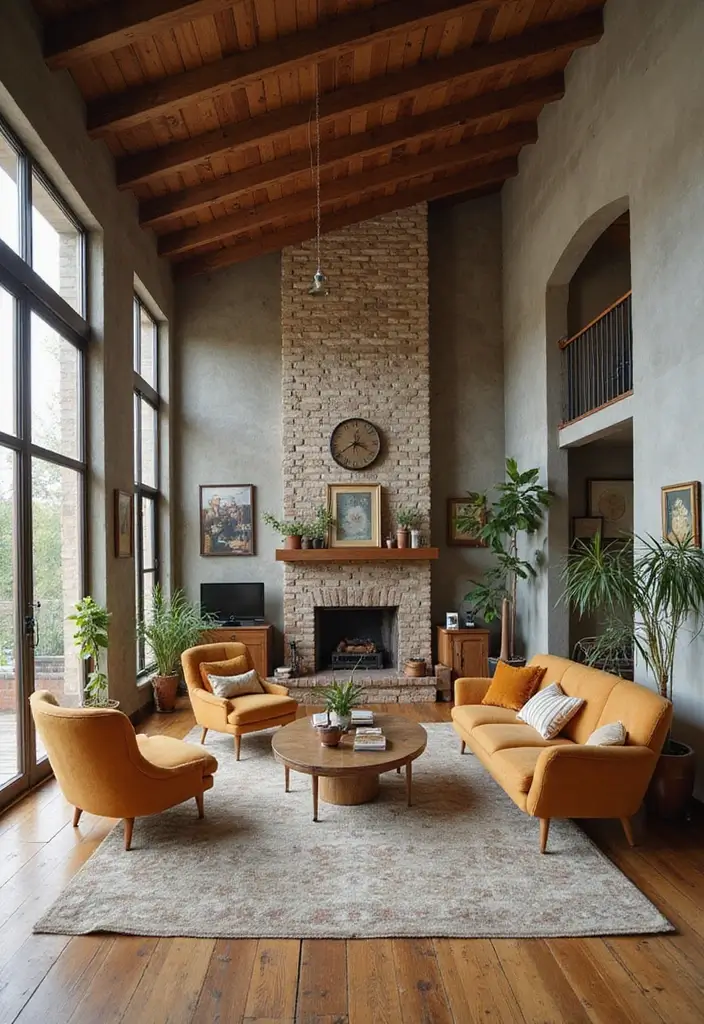
You want warm charm in an open living area. Vintage touches can bring that cozy feeling, but you fear they won’t mix with daily life. This space needs flow, so your old finds should feel at home, not out of place. With a few smart choices, you can keep the room bright, tidy, and easy to live in while showing your story. Let’s make your open floor plan glow with nostalgic charm that works every day.
Here is why vintage warmth fits open spaces. It adds character, stops the room from feeling cold, and makes dining and living areas feel linked. Let’s break it down so you can use it without stress.
Practical steps to weave vintage charm into your open space
– Start with a base palette that ties the look together.
– Choose one or two vintage anchors to set the vibe.
– Blend these finds with modern pieces that share color or metal.
– Use cohesive accents to unify the space.
– Mix textures like wood, brass, and ceramic for warmth.
– Group vintage items in a small corner or on a shelf to avoid clutter.
– Let vintage accessories add personality without taking over.
– Use lighting that nods to the past but uses current bulbs and fittings.
For example, place a 1950s sideboard near the dining zone. Ground it with a neutral sofa and a soft throw. A vintage brass lamp on the kitchen island can cast warm light at night. A retro chrome toaster on the counter becomes a daily reminder of the era without shouting.
Next steps are simple. Start with a quick scan of what you already own. Pick a couple of pieces to anchor the look. Then shop or swap for one new item that ties the room together. Remember to check scale so big pieces don’t crowd the space.
Common mistakes to avoid. Too many busy patterns can clash with modern lines. Using items from too many eras can feel chaotic. Let cords and gadgets peek through the back of cabinets rather than on display.
Optional finishes and finishing touches. Refinish a wooden chair, swap cabinet handles, or repaint a single vintage piece to fit your color plan. These tiny tweaks keep the space fresh while honoring the past. You can do this in steps and still keep an open flow.
You can warm your open floor plan with a touch of vintage. Start small, build a story, and let modern comfort stay at the core. You’ll create a space that feels both familiar and new.
Embrace the beauty of vintage! A touch of nostalgia can warm your open floor plan, turning everyday moments into cherished memories. Let your unique story shine through every corner of your living space!
25. A Touch of Vintage: Nostalgic Charm
Editor’s Choice

Brass Desk Lamp, Adjustable Table Lamp, Vintage Task Lamp with Rotary Sh…
Amazon$49.99
ARTPOWER Accent Cabinet with 2 Doors, Vintage Hollow Carving Buffet Cabi…
Amazon$139.99
West Bend Toaster 2 Slice Retro-Styled Stainless Steel with 4 Functions …
Amazon$34.9926. Green Spaces: Indoor Gardens

Your open living space can feel fresh with plants. Greenery boosts mood and makes rooms calmer. It also helps air feel cleaner. You can get these benefits with a few simple choices. Decide where plants go, pick easy varieties, and stack plants in layers. A few well placed greens can turn a big room into a cozy, welcoming place.
Here is why vertical gardens and hanging planters fit an open plan. They add height without crowding floors. They let you create greens near the kitchen for herbs and near the couch for a lush look. Look for planters that match your style, from modern pots to rustic boxes. This keeps your space bright and organized while still feeling connected.
Next steps to bring green life into your home.
– Smart plant picks
– Pothos, snake plant, and ZZ plant are forgiving and thrive with little care.
– Philodendron and peace lily tolerate different light levels and stay lush.
– Small herbs like basil or thyme work well in the kitchen.
– Layered placement
– Put a tall plant in a corner to lift the eye upward.
– Use shelves or a bench for mid size planters.
– Add hanging planters near the dining area or above the island.
– Care that sticks
– Use pots with drainage along with a tray to catch water.
– Water when the top inch of soil is dry.
– Wipe leaves every so often to keep them bright and healthy.
– Kitchen garden ideas
– Place a sunny window box for fresh herbs you can grab while cooking.
– Rotate herbs so flavors stay strong and plants stay productive.
– Choose compact varieties that stay neat in small pots.
– Safety and upkeep
– Pick non toxic plants if you have kids or pets.
– Keep sharp or tall plants away from high traffic zones.
– Schedule a quick monthly check for dust, soil, and watering needs.
To start, pick two or three easy plants and a couple of planters. Listen to how your space feels as you add greens. If a spot feels cluttered, shift a planter higher or swap in a lighter pot. You don’t need a full wall garden to get big benefits. Small steps create a calm, vibrant center for your open floor plan. Your home will feel fresher, warmer, and ready for the next gathering.
Transform your open floor plan living room and kitchen by adding greenery—it’s an instant mood booster! A few easy-to-care-for plants can turn a spacious area into a cozy retreat.
26. Green Spaces: Indoor Gardens
Editor’s Choice

Set of 2-10 Inch Hanging Planters for Indoor Plants with Self-Watering I…
Amazon$19.19
Utopia Home – Plant Pots Indoor with Drainage – 7/6.6/6/5.3/4.8 Inches G…
Amazon$11.99
Costa Farms Live Plants (3 Pack), Easy to Grow Real Indoor Houseplants, …
Amazon$28.9927. Personal Libraries: A Cozy Nook
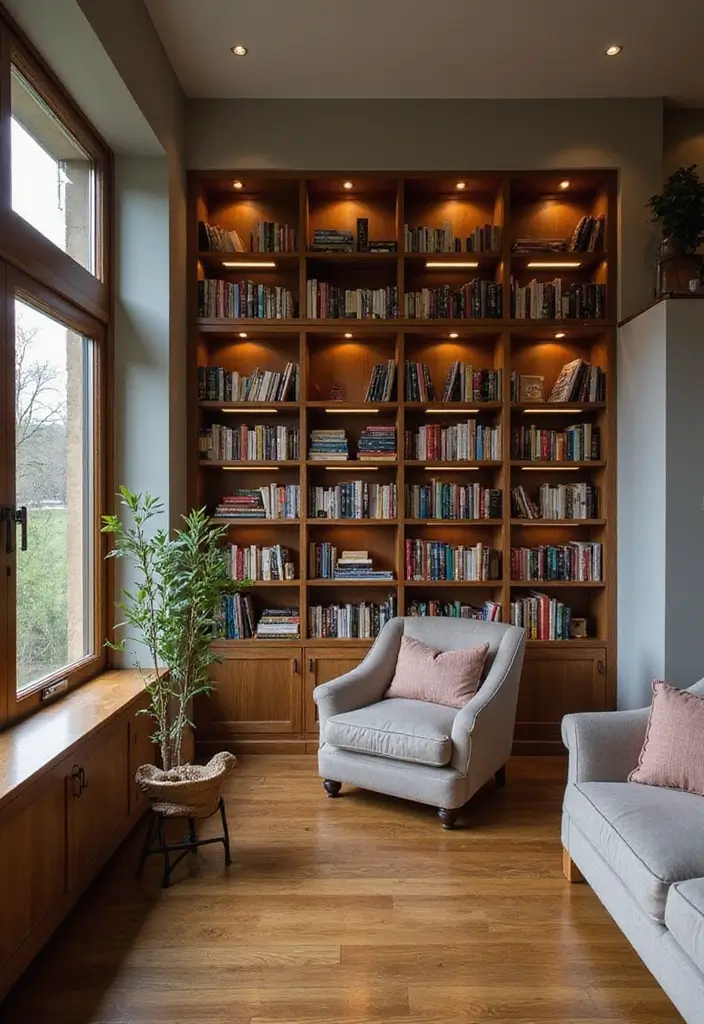
You want a quiet corner in an open living space for calm reading.
Here is why a personal library fits an open floor plan.
It gives you a real escape without closing doors.
It adds character to the room and makes your favorite books easy to grab.
Here is how to build a cozy library nook.
– Built-in shelves with a clean look. Use wall space to keep floors clear.
– A comfortable chair or small sofa with a soft throw. This is your spot for long reads.
– A welcoming rug and soft lighting. Layer light with a floor lamp and shelf lighting.
– Simple decor that reflects your style. Think plants, framed quotes, or travel anchors.
Next steps to turn the idea into a practical zone.
– Pick the spot. A quiet corner or a wall with good natural light works best.
– Choose the shelves. Built-in units give a seamless style; freestanding bookcases are flexible.
– Decide on seating. A cushy armchair, a compact settee, or a slim chaise fits well in tighter spaces.
– Plan lighting. Use a warm bulb, a directed floor lamp, and light mounted on shelves for reading without glare.
– Add texture. Layer a rug, soft cushions, and a blanket to invite you in.
– Personalize the space. Add a small plant, a favorite photo, and a few travel mementos.
Tips to keep the nook practical in an open plan.
– Keep books organized. Group by genre or color to find titles fast.
– Use low shelves to define the area. This helps the living room and kitchen flow stay open.
– Choose finishes that match your room. Wood tones or white shelves work with many looks.
– Make it easy to reach. Put your most read books within arm’s reach of the chair.
– Protect the floor. A sturdy rug anchors the space and reduces noise.
Common questions you might have.
– What if space is small? Put shelves on one wall and add a slim chair. A compact rug keeps the area calm.
– How do I keep noise down in an open plan? A thick rug, soft textiles, and a closed bookcase edge help.
– Which styles work best? Warm wood, light neutrals, and simple lines fit modern and rustic looks alike.
Your open floor plan can feel calmer when you build this personal library nook. It becomes a go-to place for escape, focus, and joy. The right shelves, seating, and lighting turn shelves into a real life retreat you reach daily.
27. Personal Libraries: A Cozy Nook
Editor’s Choice

Bookshelf and Bookcase with Doors, 6 Tier Double Wide Large Bookshelves,…
Amazon$199.99
Chenille Oversized Armchair, 38.6″ Wide Accent Chairs for Living Room & …
Amazon$159.99
Floor Lamp -WioMio Led Floor Lamp with Remote and Touch Control for Step…
Amazon$29.9928. Accent Ceilings: An Unconventional Touch
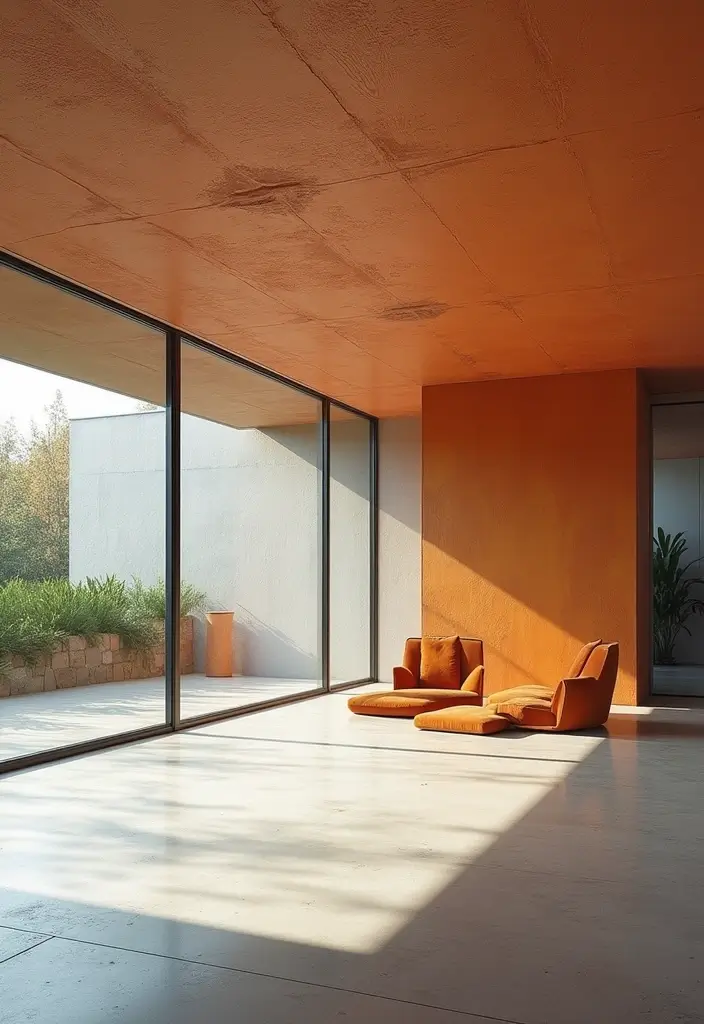
If you want a fresh touch in your open living space, an accent ceiling is a handy way to add character. It draws the eye up and gives the room a new sense of depth. This small change can help your kitchen and living area feel more tied together.
Here’s what this design move does for you. It creates a focal point above the main spaces. It adds warmth or drama without changing the furniture. It also lets you express your style with color, texture, or pattern. You can use it to ground a bright wall color or to calm a busy room.
Look options to try
– Bold color or rich stain. Dark blues, charcoal, warm creams, or earthy greens can make the ceiling feel like a gathered cap that protects the space below.
– Wood and paneling. Wide planks, beadboard, or shiplap bring natural warmth and a touch of rustic charm.
– Texture and pattern. Plaster with a gentle relief, tin tiles, or decorative panels add depth without clutter.
– Subtle patterns. Consider a quiet geometric or soft wave pattern to give movement without shouting.
Implementation tips
– Start with harmony. The ceiling color should nudge the wall colors into a pleasant balance, not clash.
– Plan the lighting. Use recessed lights, a few track heads, or hidden uplights to highlight the ceiling work. Dimmable options help you shift mood through the day.
– Keep balance. If the ceiling is dark, lean walls lighter to keep the room from feeling heavy. If the ceiling is light, you can bring in warmer wall tones for coziness.
– Test ideas. Get sample boards or small ceiling patches to see how the color and texture feel with your furniture and flooring.
Practical steps to get started
– Check your space height. In low ceilings, a brighter, calmer ceiling can help the room feel taller. In tall rooms, a deeper tone can add intimacy.
– Choose two to three ideas. Compare them on a single wall or ceiling panel to visualize the change.
– Plan around lighting. Pick lights that show off the ceiling texture without creating glare.
– Work with a painter or installer. Clear plans and a simple mockup save time and money.
Common pitfalls to avoid
– Too many patterns. A loud ceiling can fight with busy walls.
– Dark ceilings in tiny rooms. They can make the space feel cramped.
– Poor lighting. Without the right lights, texture and color don’t come through.
Real-world ideas
In an open kitchen and living room, a soft ivory ceiling with warm wood beams can feel inviting and clean. A charcoal ceiling over a pale palette adds drama and helps define zones. A wood-plank ceiling with warm lamps creates a cozy, cabin-like vibe in a modern layout.
Maintenance and daily care
Dust the ceiling regularly with a soft, long-handled duster. If you choose texture, a gentle vacuum with a brush attachment keeps dust down. Spot-clean only if the ceiling finish allows it.
Next steps
– Gather color chips, textures, and sample boards.
– Map out where lighting will sit to show the ceiling best.
– Schedule a time to test the final look in your open space.
Accent ceilings are a thoughtful way to add depth, warmth, and a personal touch to your open floor plan. With careful choice and a simple plan, you can achieve a fresh look that feels both finished and uniquely yours.
28. Accent Ceilings: An Unconventional Touch
Editor’s Choice

Zinnser 03688 Covers Up Stain Sealing Ceiling Paint, White
Amazon$9.68
Primed Nickel Gap Shiplap, 8 Pieces, 5″ x 72″, Real American Wood
Amazon$112.49
Ensenior 12 Pack 6 Inch LED Recessed Ceiling Light, Dimmable, 2700K-5000…
Amazon$56.6929. Seasonal Decor: A Constant Refresh
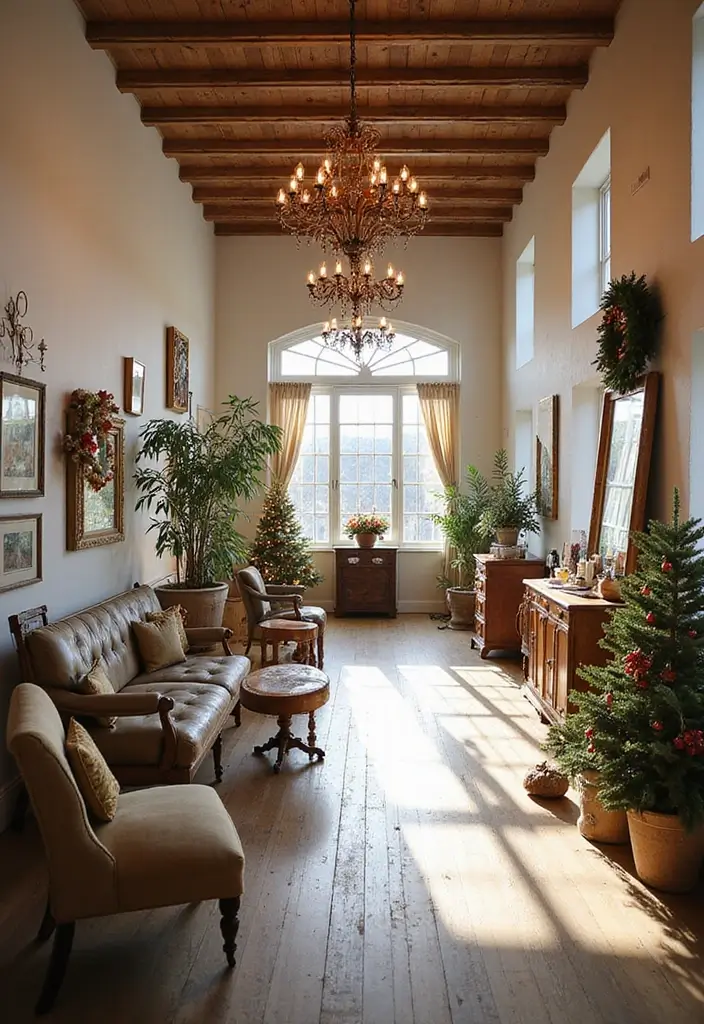
You want your open floor plan to feel fresh as the year turns. Seasonal decor gives you an easy path to a new mood without big changes. With small swaps you can refresh the living room and kitchen and keep the space feeling bright and welcoming. Use practical steps to make it simple and affordable.
– Core pieces that stay year round Start with a small set of items that work in every season. Choose a neutral sofa throw, a textured pillow, and a simple centerpiece that can carry through year after year. These pieces act as a stable base you can swap around with ease.
– Seasonal color plan Pick a calm base color that stays nice in daylight and warm at night. Add season accents with pillows, napkin rings, or a decorative vase. For ideas you can try winter blues and warm metals, spring greens, summer yellows, and fall ochers.
– Natural elements for texture Bring life with branches, berries, dried grasses, or pine cones. Place them in a clear vase, on a wooden tray, or in a woven basket. Swap these pieces each season to keep the look light and fresh.
– Smart swapping plan Focus on one or two items to swap each season. Change cushions and throws first, then refresh a centerpiece. This method keeps your space feeling new without a full room redo.
– Storage and quick swaps Label boxes by season and store them neatly out of sight. Use clear bins so you can see what’s inside. Tuck boxes under a bed or on a high shelf to keep the living area clean.
– Smart shopping and DIY options Look for pieces that mix well with many looks. DIY updates like wrapping fabric around a tray or tying ribbon on a vase can give a fresh feel without much cost. Avoid buying many small items you won’t reuse.
A few quick notes to guide you. Keep the base pieces simple so every season looks calm and cohesive. If your space is small, limit the number of seasonal items to maintain the flow. With planning, your open floor plan stays inviting all year long.
29. Seasonal Decor: A Constant Refresh
Editor’s Choice

50×70 Inch Brown Throw Blanket – Soft & Fluffy Fleece, Neutral Tan Color…
Amazon$13.99
AmHoo Chenille Striped Textured Boho Throw Pillow Covers Aesthetic with …
Amazon$16.99
Tiawudi 12 Pack Plastic Storage Bins, Multi-Use Organizer Bins, Pantry O…
Amazon$27.9930. Community Spaces: Fun and Functional
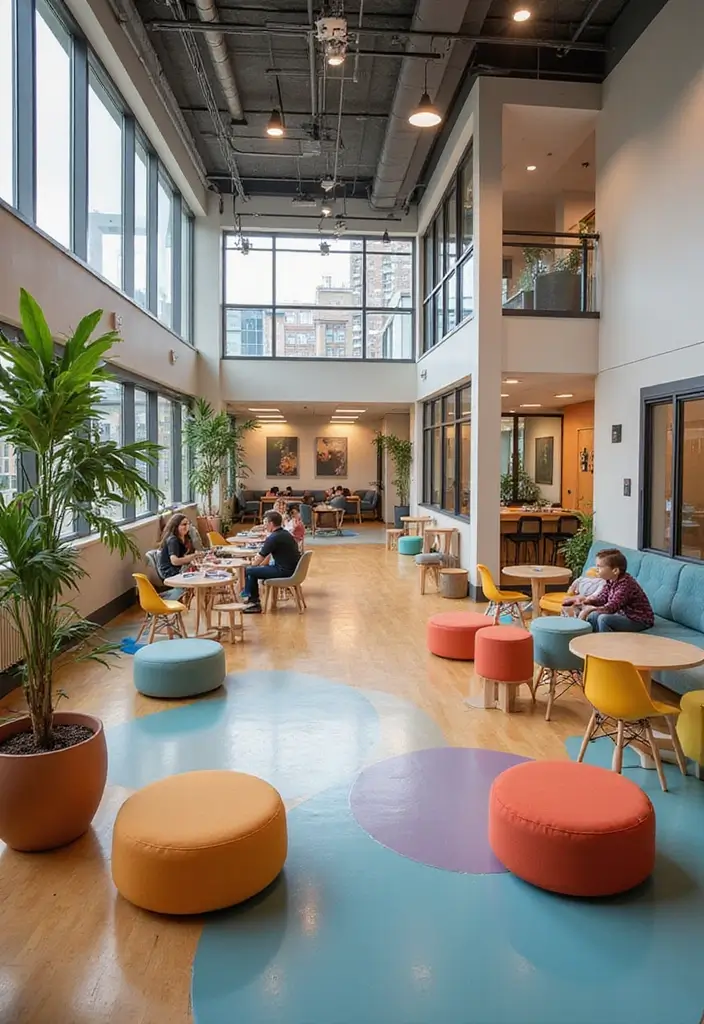
You want an open living room and kitchen that pulls people in. You want both play and talk to happen in one big space. The trick is to carve small, simple community zones inside the big room. Here is why this works.
– Seating that invites talk. Use a large sectional and a couple of comfy chairs. Set them so faces meet across a low coffee table. Keep enough space for easy movement. This layout makes conversations easy and keeps eyes on what matters in the room.
– Zones for play and games. Create a kid play corner with a soft rug and toy organizers. Add a small table for drawing or building blocks. Put a separate game area with a sturdy game table for board games and puzzles. This helps different ages join in without crowding the main seating.
– Flexible layouts you can move. Choose light furniture that works on wheels or with lightweight benches. Use ottomans and stools that can slide into a corner if you switch to movie night. A flexible plan makes room for many activities.
– Color, texture, and decor that say fun. Pick one bright accent color and carry it in cushions, a throw, or artwork. Use wood, fabric, and plants to add warmth. Keep big patterns subtle so the space feels calm, not loud. The goal is a lively look that stays easy on the eyes.
– Smart storage and tidy zones. Use baskets or bins near the play area. Storage benches can hide toys and extra blankets. A dedicated spot for games keeps the rest of the space neat. Clear zones make cleaning fast.
– Lighting and sound control. Layer lights with a floor lamp, a pendant over the kitchen island, and ceiling fixtures. A soft rug helps cut echo. Good lighting makes every corner feel inviting and safe.
– Safety and kid friendly touches. Round edges on coffee tables and kids’ furniture help prevent accidents. Use non slip mats and sturdy shelves. Easy access to toys keeps kids from raiding a crowded area.
Next steps. Measure your room, pick a focal point, and sketch zones on paper. Move furniture in real life to test flow. Tidy up by putting toys in baskets and keeping daily items out of sight. Your open plan can become a warm hub for family and friends.
30. Community Spaces: Fun and Functional
Editor’s Choice

108 Inch Sectional Sleeper Sofa with Pull Out Bed,U Shaped 7 Seat Modula…
Amazon$899.99
INDRESSME XXXLarge Cotton Rope Basket 21.7″ x 21.7″ x 13.8″ Woven Baby L…
Amazon$21.84
Floor Lamp -WioMio Led Floor Lamp with Remote and Touch Control for Step…
Amazon$29.99Conclusion: Create Your Dream Open Floor Plan
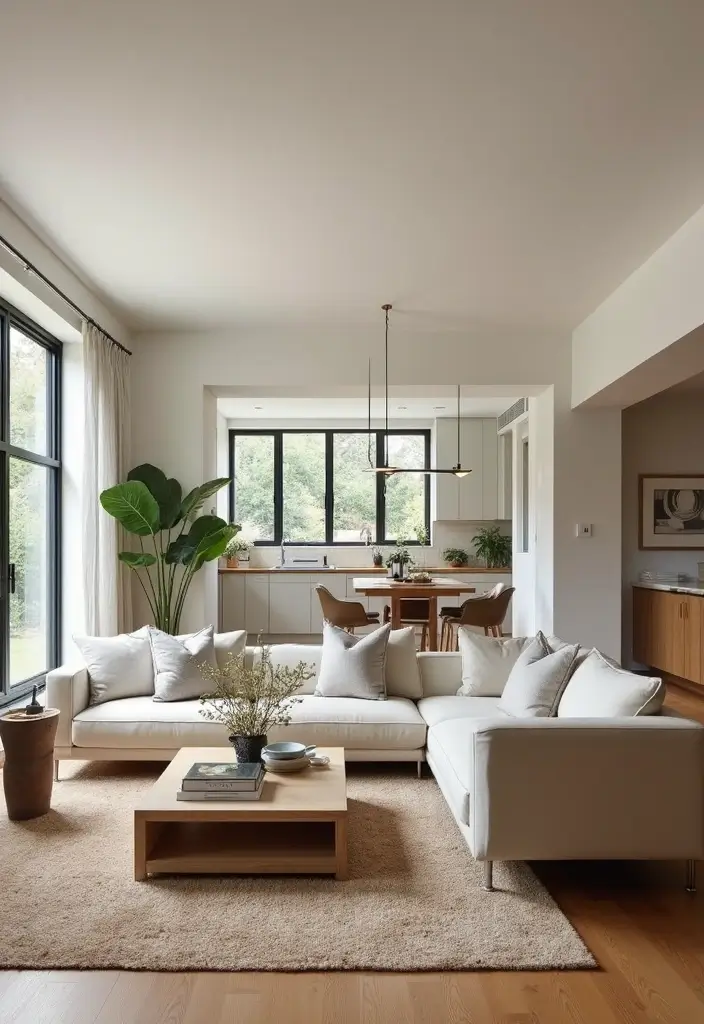
Transforming your living room and kitchen into an open floor plan can create a beautiful, functional, and inviting space that reflects your style and personality.
From minimalist designs to bold, colorful accents, the possibilities are endless. Embrace the ideas that resonate with you and tailor them to your taste for a home that feels uniquely yours.
With thoughtful design and the right elements, you can create a space that fosters connection, comfort, and joy for you and your loved ones.
Note: We aim to provide accurate product links, but some may occasionally expire or become unavailable. If this happens, please search directly on Amazon for the product or a suitable alternative.
This post contains Amazon affiliate links, meaning I may earn a small commission if you purchase through my links, at no extra cost to you.
Frequently Asked Questions
What Are the Key Benefits of an Open Floor Plan for Living Room and Kitchen?
An open floor plan for your living room and kitchen creates a sense of spaciousness and freedom. You can enjoy better flow and connectivity between spaces, making it perfect for entertaining and family gatherings.
Additionally, it allows for natural light to flow through your home, making it feel brighter and more inviting. This design also offers flexibility in furniture arrangement, allowing you to customize your space to fit your lifestyle.
How Can I Define Spaces in an Open Floor Plan Without Walls?
Defining spaces in an open floor plan can be achieved through clever design choices. Consider using area rugs to delineate different zones, like a cozy living area or dining space.
You can also incorporate furniture arrangements, like a sofa or bookcase, as a natural divider. Adding elements such as creative room dividers or plants can also help create a sense of separation without sacrificing light or openness.
What Styles Work Best for an Open Floor Plan Living Room and Kitchen?
There are numerous styles that work beautifully in an open floor plan! From the sleek lines of contemporary chic to the warmth of rustic charm, the options are endless.
Consider Scandinavian style for a bright, minimal look or industrial vibes for a more urban edge. Each style can enhance the flow between your living room and kitchen while reflecting your personal taste.
How Can I Incorporate Smart Technology in My Open Floor Plan?
Integrating smart technology into your open floor plan can enhance convenience and efficiency. Think about adding smart lighting that adjusts based on time of day or activity. Smart speakers can create a seamless audio experience throughout your living room and kitchen.
Additionally, smart thermostats can help you maintain a comfortable temperature, ensuring your space remains inviting, whether you’re cooking or relaxing with family.
What Are Some Tips for Choosing the Right Colors for an Open Floor Plan?
Choosing the right colors for your open floor plan can greatly impact the atmosphere of your space. Opt for a cohesive color palette that flows from your living room to your kitchen, creating harmony.
Consider lighter shades to enhance the sense of openness, or add bold accents to create focal points. Using colorful backsplashes in the kitchen can add a fun detail, while maintaining a sense of continuity throughout your living areas.
Related Topics
open floor plan
living room design
kitchen decor
minimalist style
rustic charm
coastal vibes
multi-purpose spaces
smart technology
sustainable design
layered lighting
creative room dividers
seasonal decor
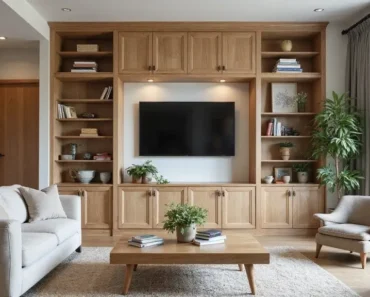

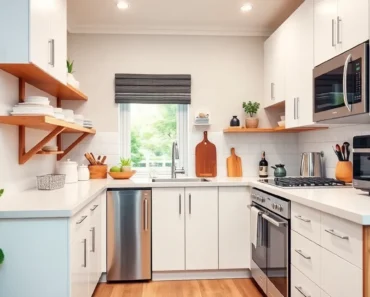
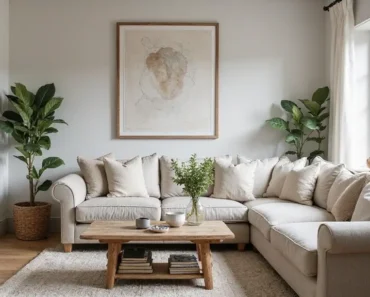


I love the idea of an open floor plan! It really makes a space feel bigger and more inviting. Do you think it works well for smaller homes too?
These ideas are amazing! I once tried to create an open space and ended up with my cat taking over the dining table as her throne. Just a heads up, cats love open spaces too!
Did you know that open floor plans became popular in the 20th century? It’s interesting how our living spaces have changed over time. What do you think the next big trend will be?
I remember when I first moved into my open floor plan home, I thought it would be great for entertaining. But then I realized my kitchen mess was on full display! Lesson learned: keep the cleaning supplies handy!