

Spring is here and my garden has me craving playful, simple ideas. I want kids to feel the joy of nature again—to sense soil, hear bees, and watch a small seed grow into green. So I wrote this post to share whimsical gardening ideas for kids that families can try together. These ideas are easy, fun, and built for real life, so you can start this weekend.
If you are a parent, grandparent, caregiver, or teacher who wants kids to love nature, this post is for you. You care about curiosity, hands-on learning, and building moments that you can remember long after the plants long for more sun. These ideas fit a balcony, a yard, or a school plot, and they work with busy schedules.
I pulled together 20 whimsical gardening ideas for kids that are easy to start, cheap to run, and full of charm. They cover small projects you can do in a corner of a patio as well as bigger setups for a sunny kid-friendly bed. From a fairy garden to a seed treasure map, these ideas spark exploration, storytelling, and simple science. And yes, you won’t believe #7.
You’ll find ideas that use everyday materials and a lot of imagination. Think recycled containers, bright labels, fabric flags, and tiny tools that fit small hands. Each idea comes with quick, clear steps and a safety note so little gardeners stay happy and safe. They’re flexible for different ages and spaces, and they invite sensory moments—the smell of soil, the crunch of mulch, the glow of new green.
Start small and easy. Pick one idea that fits your space and your family’s routine. Gather a few basics: soil, seeds, a tub or pot, a watering can. Set a short, regular time after school or on weekends. Let kids choose what to plant and how to decorate. If weather or mood changes, switch to a shorter session or a single mini project.
Here is where you’ll see the plan in action. Read on to discover the ideas and pick your favorites. I’ll share practical tips, simple tricks, and ways to adapt for different ages and seasons. This isn’t about a perfect garden; it’s about curiosity growing in your family every day. Let’s step outside and see what nature can teach you together.
Contents
- 1. Fairy Gardens
- 2. Dinosaur Gardens
- 3. Vegetable Monsters
- 4. Nature Scavenger Hunts
- 5. Garden Art Projects
- 6. Bug Hotels
- 7. Edible Flower Gardens
- 8. Paint Your Own Garden Rocks
- 9. Butterfly Gardens
- 10. Nature Journal
- 11. Sensory Gardens
- 12. Terrarium Creations
- 13. Composting Fun
- 14. Garden-Themed Storytime
- 15. Garden Pizza Party
- 16. Garden Slime Station
- 17. Garden Treasure Maps
- 18. Root View Garden
- 19. Miniature Garden Models
- 20. Grow Your Own Pumpkins
1. Fairy Gardens
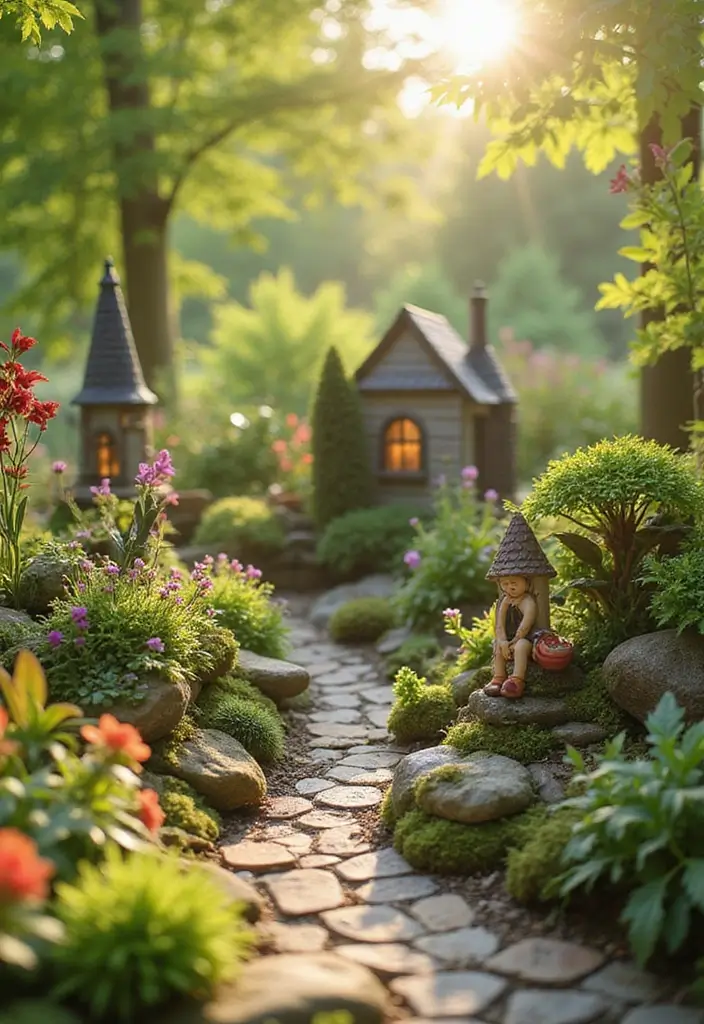
Feeling like your child needs a closer connection to nature? Create a tiny fairy garden in a corner of your yard. It becomes a playful welcome mat to the outdoors.
Here is why it helps. The mix of small plants, soft textures, and tiny details pulls kids in. They notice moss, tiny leaves, and the scent of soil.
– Start small. Use a shallow planter or a quiet patch of soil. A simple space is easier for kids.
– Pick the right plants. Choose small, slow-growing greens like moss, tiny succulents, or mini flowers that stay compact.
– Add fairy magic. Place a few tiny doors, a miniature bench, little stone paths, and a sprinkle of glitter if you like. These details spark stories.
– Let kids drive the design. They decide where to place the pathways, what characters live there, and what adventures unfold.
– Care routines. Water the greens, hunt for fallen leaves, and rotate decorations with the seasons. This teaches regular upkeep.
– Keep safety in mind. Use kid-safe figurines and a sturdy container. Bring the garden indoors if the weather gets rough.
Next steps: this setup blends art with nature and grows a sense of care for living things. It also becomes a shared project you can return to as the garden grows.
Try a weekly challenge: add one tiny plant or treasure each weekend.
1. Fairy Gardens
Editor’s Choice

109 Pcs Fairy Garden Accessories Fairy Garden Kit Miniature Fairy Figuri…
 Amazon$28.99
Altman Plants, Live Succulent Plants (20 Pack) Assorted Potted Succulent…
Amazon$29.17
Kids Gardening Tools Set, 5PCS Gardening Tools for Kids Metal with Sturd…
Amazon$8.992. Dinosaur Gardens
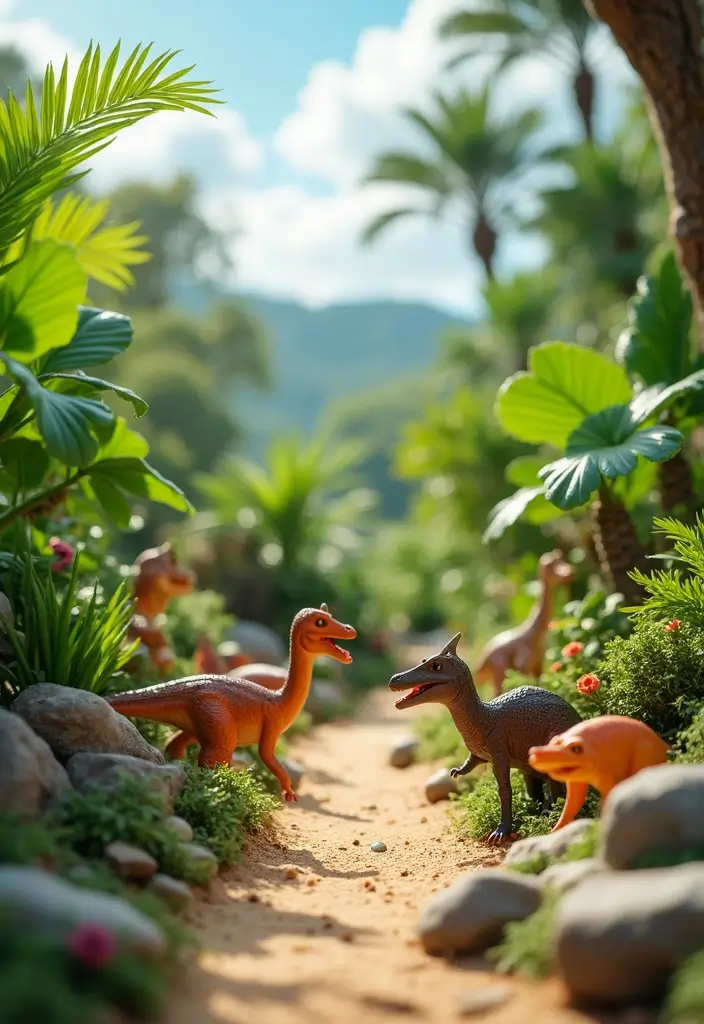
You want a project that blends nature with pretend play. Kids love tiny worlds where plants meet toy giants. You guide them to build a small living scene they can visit daily.
Here is why this works. Imagination grows when kids care for a little world. They learn simple plant care and patience as they watch greens and dinos live together.
What you need
– Theme choices: Jurassic jungle or volcanic scene
– Easy plants that stand up to play: ferns and succulents
– Rocks, sand, and a shallow tray or pot
– Dinosaur figures and a few tiny props
Key steps to build your dinosaur garden
– Choose a Theme: Jurassic jungle or volcanic scene
– Add Rocks and Sand: Arrange a mini scene with rocks and a touch of sand
– Let Them Roam: Invite your kids to place dinos where they like
Care and learning tips
– Water plants gently and give them light
– Let kids watch plants grow and see how the figures stay steady
– Keep the setup simple to maintain
– Keep small parts away from little ones to avoid choking
Next steps
– Extend the idea with seasonal plants or more dinosaurs
– Tell a simple story you both create to spark play
Create a world where imagination meets nature! With dinosaur gardens, kids can nurture their green thumbs while embarking on epic adventures with their favorite toy giants. Let their creativity grow alongside the plants!
2. Dinosaur Gardens
Editor’s Choice

HAPTIME Plastic Assorted Mini Dinosaur Figures, Little Dinosaur Figurine…
Amazon$6.99
Altman Plants, Live Succulent Plants (20 Pack) Assorted Potted Succulent…
Amazon$29.17
Small Garden Tools – 3 Pcs Mini Garden Tools Set with Small Trowel, Mini…
Amazon$6.453. Vegetable Monsters
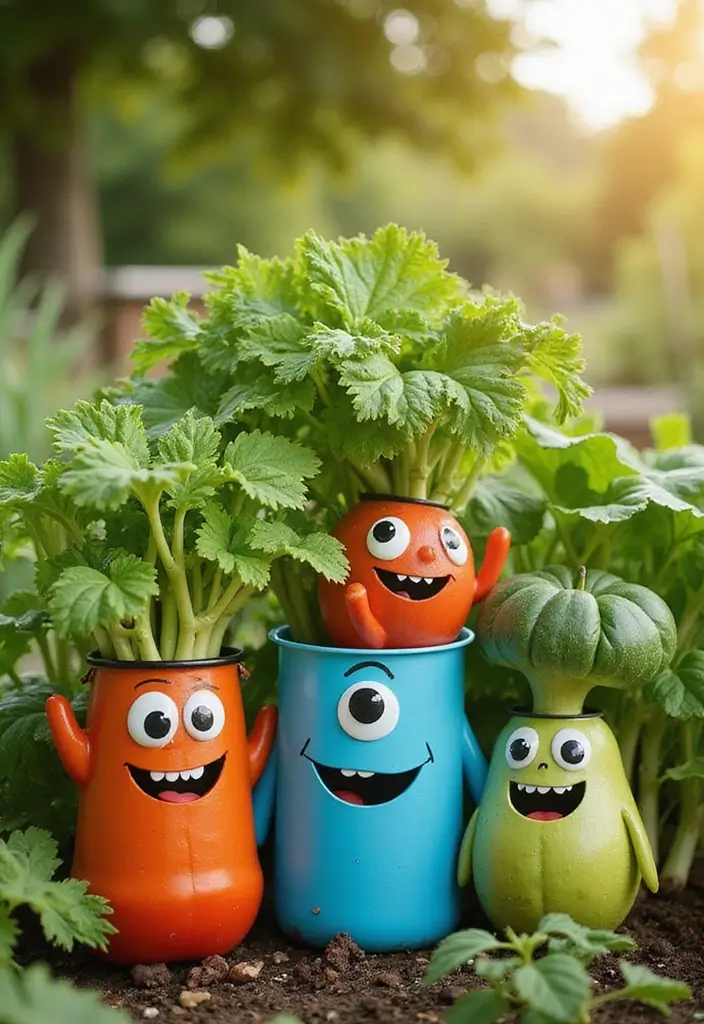
Kids often think veggies are boring. You can flip that with a simple trick: turn vegetables into silly monsters. It makes gardening feel like a game and healthy eating a win. With kid-safe paints and easy veggies, you create a small world in your garden or on the balcony.
Here is why this helps kids love nature and food.
– Pick a veggie cast – Choose a few easy veggies. Radishes, carrots, and lettuce work well for your monster cast.
– Decorate the pots – Let kids decorate the containers. Use paints, googly eyes, and natural bits for character.
– Plant the monsters – Fill pots with soil. Plant the seeds or small starts, then label the pot.
– Care and grow – Put the pots in good light. Check moisture daily and water when the soil dries.
– Harvest party – When veggies grow, cut them into monster faces. Serve simple veggie snacks for a quick party.
– Learning and sharing – Talk about where food comes from. Let kids taste each veggie and name its monster.
This simple project helps kids see food as friendly and makes nature feelreachable and fun.
3. Vegetable Monsters
Editor’s Choice

Crayola Washable Kids Paint (6ct), Essential Preschool Supplies, Paint S…
Amazon$5.29
DOITEM Pipe Cleaners Craft Supplies, 1500+Pcs Arts and Crafts Supplies I…
Amazon$12.99
Burpee SuperSeed Seed Starting Tray | 36 Cell Reusable Seed Starter Tray…
Amazon$11.974. Nature Scavenger Hunts
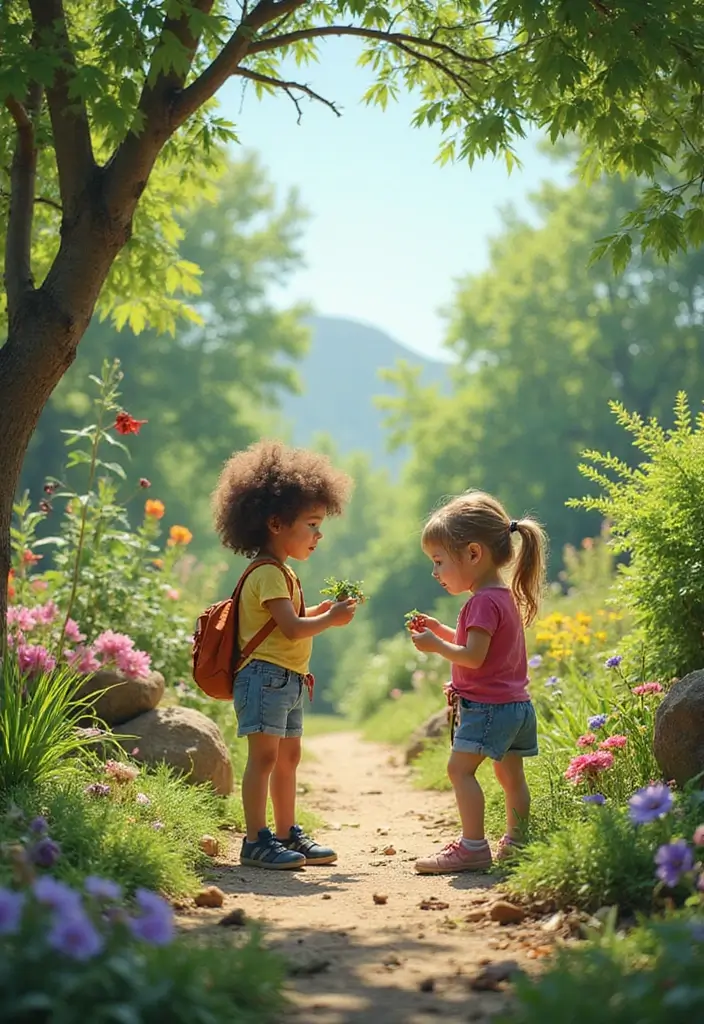
If you want your kids to spend time outside and notice the world around them, this activity helps. A nature scavenger hunt turns a walk into a small quest. They search, compare, and talk about what they find.
Here is how it works. You give a short list of things to spot in the yard or park. Look for items like a red leaf, a smooth stone, a ladybug, a pinecone, or a seed pod. They search, check items off, and share what surprised them.
Setup tips
– Pick 8 to 12 items on the list.
– Define a safe area so you know where to look.
– Bring supplies: small bags, pencils, a clipboard, a magnifying glass, and a camera or phone for photos.
– Set a simple time limit.
– Keep rules clear: be gentle with bugs, ask before touching plants.
Hunt tips
– Make a List that mixes colors, textures, and shapes.
– Boundaries: mark the edges with string or sticks.
– Rewards: small prizes like stickers or packets of seeds to plant.
Why this helps kids
It builds careful observation, helps them learn plant names, and teaches respect for living things. It stays doable on busy days and fits many yards.
Starter list
– red leaf
– green leaf with texture
– smooth rock
– pinecone
– ladybug or bee
Next steps
Take photos, compare finds, and pick one item to learn more about at home.
4. Nature Scavenger Hunts
Editor’s Choice

2 Pack 75mm 10X Handheld Magnifying Glass,Rubber Reading Magnifier for K…
Amazon$6.99

Mr. Pen- Plastic Clipboard, Letter Size, Black, Clipboard Plastic, Low-P…
Amazon$4.995. Garden Art Projects
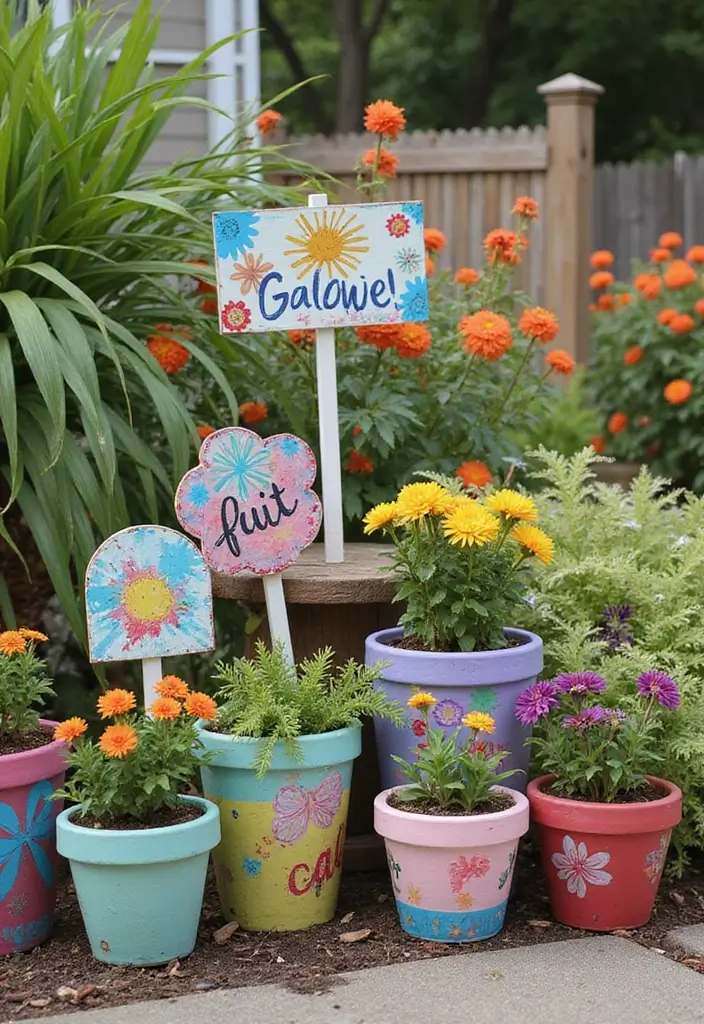
If you want your kids to love nature, mix art with gardening. You get bright, personalized spaces and they gain pride in their work. Here is why this works: art time outdoors keeps it playful, not a chore.
Let’s break it down with three easy ideas you can start today.
– Plant Pot Painting: Provide plain terracotta pots and non-toxic paints. Let kids pick colors and make patterns. Set out brushes, a cup of water, and an old tray for mess. When they finish, add a clear kid-safe sealant to keep the art bright.
– DIY Garden Signs: Use wood scraps or flat stones. Kids write plant names or short messages with weather-safe markers or paint. Place signs by herbs, flowers, or vegetables. Seal the signs so they hold up to sun and rain.
– Decorate with Nature: Gather leaves, twigs, pine cones, and flowers. Press patterns into clay or stamp textures into homemade clay. Glue natural bits to wooden stakes or boards to make mini banner art.
Next steps: pick one project, set a small outdoor station, and join in. You’ll see quick wins—colorful pots, friendly signs, and art that makes the garden feel like theirs.
5. Garden Art Projects
Editor’s Choice

55PCS Acrylic Paint Set of 36 Colors 2fl oz 60ml Bottles 12 Brushes,Non …
Amazon$24.99
2 Pack Garden Marker Pen Permanent Markers Black (UV Fade Resistant Mark…
Amazon$8.95
Crayola Air Dry Clay (5lbs), Teacher Supplies, Natural White Modeling Cl…
Amazon$10.626. Bug Hotels
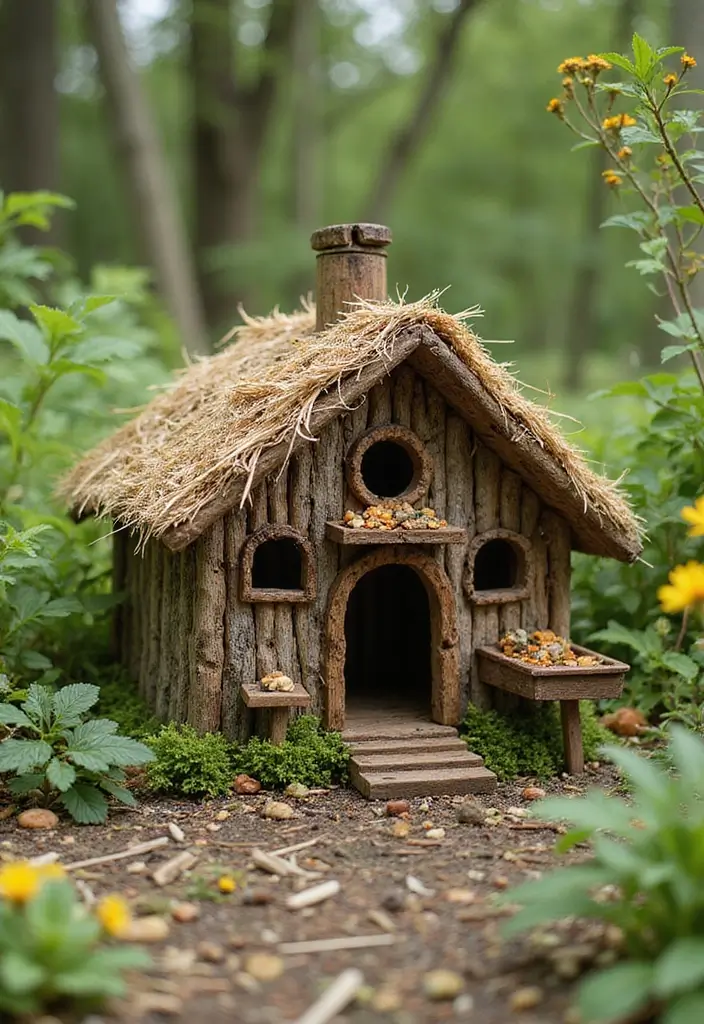
Kids want to see nature in action. A bug hotel is a small, friendly way to do that. It brings helpful insects to your yard and shows why they matter in a garden. You can build it together and turn a simple project into a big lesson.
Materials you’ll need
– Twigs, pine cones, straw, and bamboo for the hotel walls
– A shallow box or a sturdy pile of logs and rocks
– Cardboard tubes or hollow stems for hollow homes
– Leaves, pine needles, and small bricks for cozy corners
Where to place it
Pick a shady spot near plants you want to protect. A little breeze helps. Keep it away from harsh chemicals. A quiet corner invites more visitors.
How to build it
– Gather materials and lay a base so things don’t wobble.
– Tuck twigs and pine cones into gaps. Use straw and bamboo to make layered rooms.
– Add tubes and hollow bits for tiny guests to hide in.
– Keep the surface dry and dust-free. A light layer of leaves can help.
Observe and learn
Next steps: check the hotel weekly. Note which bugs visit, how they move, and where they settle. You can draw them in a notebook or take quick photos.
What you gain
Kids learn about biodiversity and the role bugs play in soil and plant health. It’s a hands-on way to teach care, observation, and responsibility. If a guest stays, you can compare visits across seasons.
This project stays simple, doable, and packed with discovery.
6. Bug Hotels
Editor’s Choice
Gardening Set, Tool Kit, for Kids, STEM, Includes Tote Bag, Spade, Water…
Amazon$19.95
National Geographic Pocket Guide to Insects of North America: From Your …
Amazon$12.04
Premium Bug Hotel Kit, DIY Cedar Wood Craft for Building Bee, Ladybug, o…
Amazon$31.997. Edible Flower Gardens
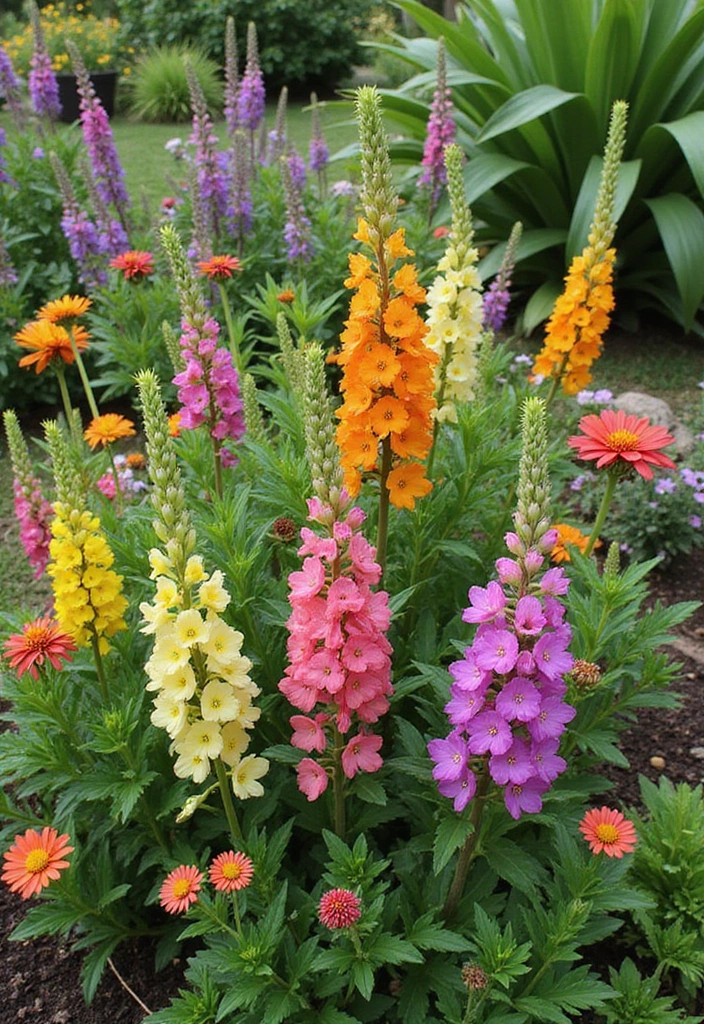
Is your goal a garden that looks great and tastes fun? An edible flower garden can do both. You get color and flavor in one space. Start with nasturtiums, pansies, and marigolds. They’re safe to eat when grown with clean soil and no chemical sprays.
– Choose flowers that are edible and bright. Avoid unsure blooms.
– Plan a small bed. Pick a sunny corner and loosen the soil. Keep it close to your kitchen if you want to use harvests easily.
Steps to create an edible flower garden:
1) Pick a mix of edible flowers. Bright petals make meals feel special.
2) Plant care: show your kids how to water regularly and watch for pests. Let them name the bugs they see.
3) Harvesting: pick petals in the morning. Rinse gently. Toss into salads or smooth a few petals onto cupcakes to decorate.
4) Ongoing care: deadhead when flowers fade. Rotate plants so the bed stays healthy.
This project turns a yard into a tiny classroom. Kids learn where food comes from and which plants are safe to eat. They may even try new foods with a smile. Next steps: decide bed size, gather seeds or starter plants, and pick a day to plant together.
7. Edible Flower Gardens
Editor’s Choice

Seed Needs, Edible Wildflower Seed Packet Collection (7 Varieties of Flo…
Amazon$9.99
Gardening Set, Tool Kit, for Kids, STEM, Includes Tote Bag, Spade, Water…
Amazon$19.95
Wells Lamont Kids Work and Garden Gloves with Safety Cuff, Fits Youth Ag…
Amazon$8.908. Paint Your Own Garden Rocks
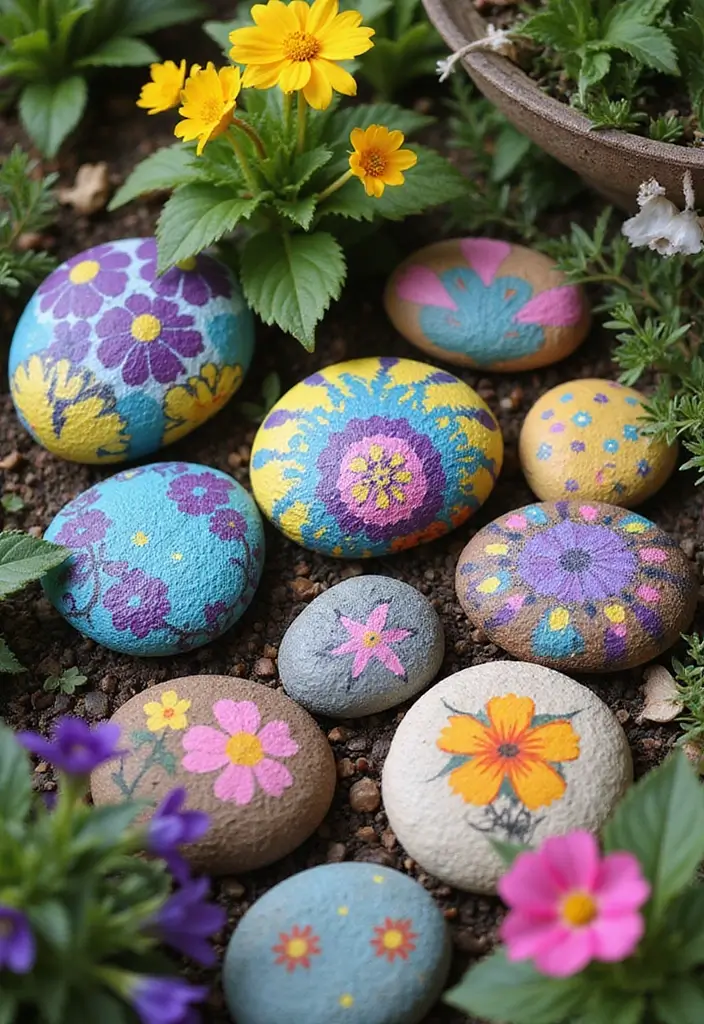
You want a simple, fun project that sparks your kids’ creativity and brightens the yard. Painting garden rocks fits the bill.
– Gather supplies: Collect smooth rocks, non-toxic acrylic paints or washable markers, brushes, a cup of water, and old newspapers to protect the table.
– Design time: Let kids share ideas. They can draw animals, patterns, or short words. Pick a few colors they love.
– Painting steps: Wash the rocks first so paint sticks well. Add a base color, then layer details like dots, stripes, or little scenes.
– Dry and seal: Let the stones dry completely. If you want rainproof art, use a kid-friendly sealant outside and let it dry per the product directions.
– Placement: Put the rocks around the garden in sunny spots or shy corners. A small, kid-made trail invites everyone to explore.
Here is why this works. It uses simple materials, stays affordable, and shows progress fast. Next steps: try a theme each weekend, or start a tiny rock scavenger hunt in your yard.
8. Paint Your Own Garden Rocks
Editor’s Choice
55PCS Acrylic Paint Set of 36 Colors 2fl oz 60ml Bottles 12 Brushes,Non …
Amazon$24.99
River Rocks for Painting 25 Pcs Large 2-3 Inch Flat Smooth Painting Ston…
Amazon$13.98
8 OZ Gloss Sealer, Glue & Finish, Air Dry Clay Glaze, Clear Decoupage Gl…
Amazon$9.99You might also like
9. Butterfly Gardens
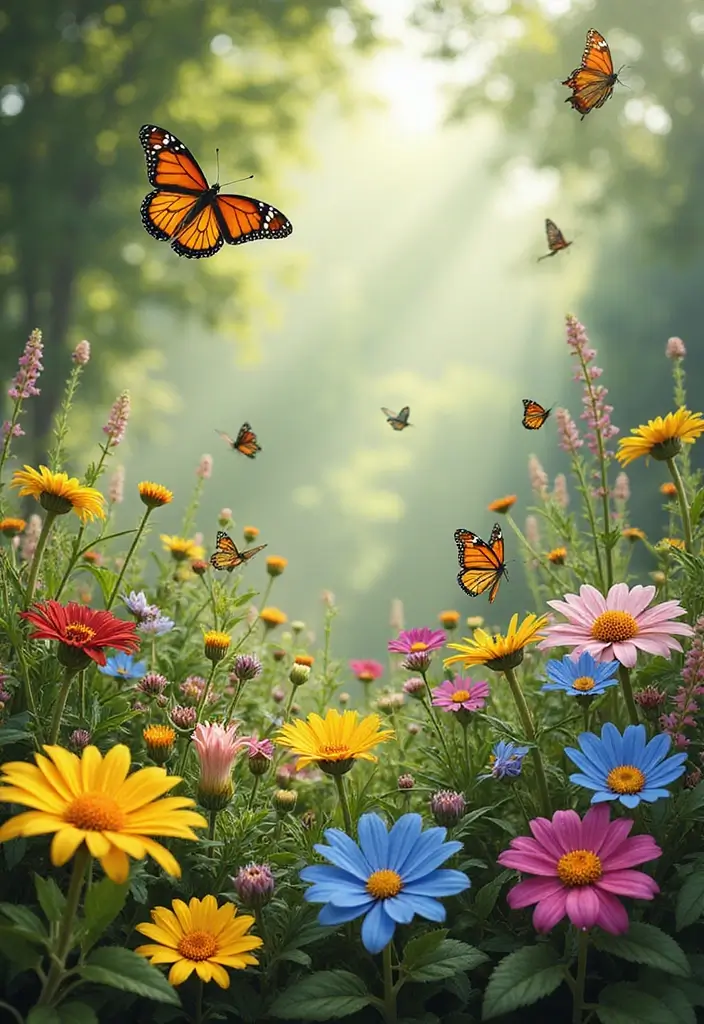
You want a garden that pulls butterflies in and sparks curiosity in your kids. A butterfly garden does both. It adds color, wings, and chances to learn outside. Here is how to start.
– Choose the Right Plants – Plant nectar-rich flowers such as milkweed, coneflowers, and butterfly bushes. They attract many species. Add host plants like dill, fennel, or parsley for caterpillars.
– Provide Sun and Shelter – Butterflies warm up in sun. Place the garden in a sunny patch. Add shelter with low shrubs, stones, or a brush pile.
– Set Up Observation Spots – Create a comfy area for kids. A small bench works well. Keep a simple notebook, pencils, and a magnifying glass for close looks.
– Water and Care – Offer a shallow dish with fresh water or damp sand. Change water regularly. Skip pesticides.
– Learning Moments – Watch eggs, caterpillars, chrysalises, and butterflies. Let kids draw wings and label plant names.
– Maintenance – Deadhead to keep blooms coming. Mulch to hold moisture. Replace fading plants as needed.
– Realistic Expectations – Butterflies may visit in waves. Some days are quiet. Plan a season of color rather than a daily show.
– Kid-Ready Tools – Create simple plant signs. Make a tiny map of the bed. Let kids label what they see.
With these steps, you create a lively, kid-friendly space that teaches nature and invites calm, sunny afternoons.
9. Butterfly Gardens
Editor’s Choice
Monarch Butterfly Garden Kit with Milkweed Seeds–Perennial Flower Seeds …
Amazon$34.99
Kids Gardening Set Toys, Quality Garden Tool Kit for Kids and Toddlers, …
Amazon$21.93
2 Pack 75mm 10X Handheld Magnifying Glass,Rubber Reading Magnifier for K…
Amazon$6.9910. Nature Journal
Nature Journal
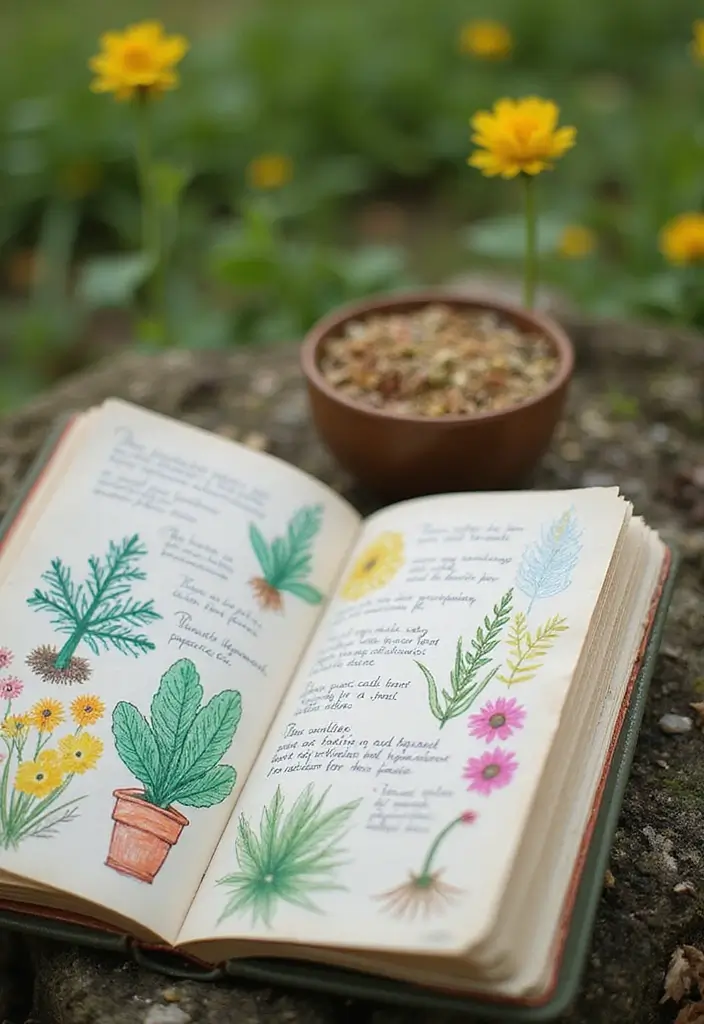
Do you want your child to slow down and notice the garden? A nature journal makes this easy for kids. It blends writing with careful observation and helps them fall in love with nature. Use it after every outdoor session to build a lasting habit.
Here is why it works. It trains eyes to catch small details and gives words to describe them.
– Pick a journal: Choose a blank notebook or a small scrapbook you can carry outside.
– Make it kid-friendly: Let them doodle, press leaves, or paste in photos from the garden.
– Keep entries short: One sentence, a quick caption, or a tiny illustration after each session.
– Record what you see: Dates, new buds, bugs, weather, and changes in the soil.
– Add extras: Quick sketches, pressed leaves, or a photo taped in for memory.
– Reflect weekly: Ask what surprised them and what they learned about their garden.
– Make it fit the season: Note flowering, fruiting, leaf color, and seasonal shifts.
This simple habit sharpens focus and gives them a neat record to look back on. Start small, keep it fun, and let it grow with your garden.
10. Nature Journal
Editor’s Choice

Blank Spiral Notebook, 2-Pack, Soft Cover, Sketch book, 100 Pages / 50 S…
Amazon$5.48
Draupnir 200pcs Vintage Junk Journal Supplies,Scrapbook Supplies Scrapbo…
Amazon$6.9911. Sensory Gardens
You want your kids to love nature. A sensory garden makes touch, smell, sound, sight, and taste come alive. It’s simple to start and fits many yards.
Here is how to make a kid friendly space that fits your schedule.
What a sensory garden does
It turns the outdoors into a hands on classroom. Your child learns by touching leaves, smelling flowers, listening to birds, watching colors, and tasting safe herbs. The garden becomes a place for curiosity, not chores.
Three easy components
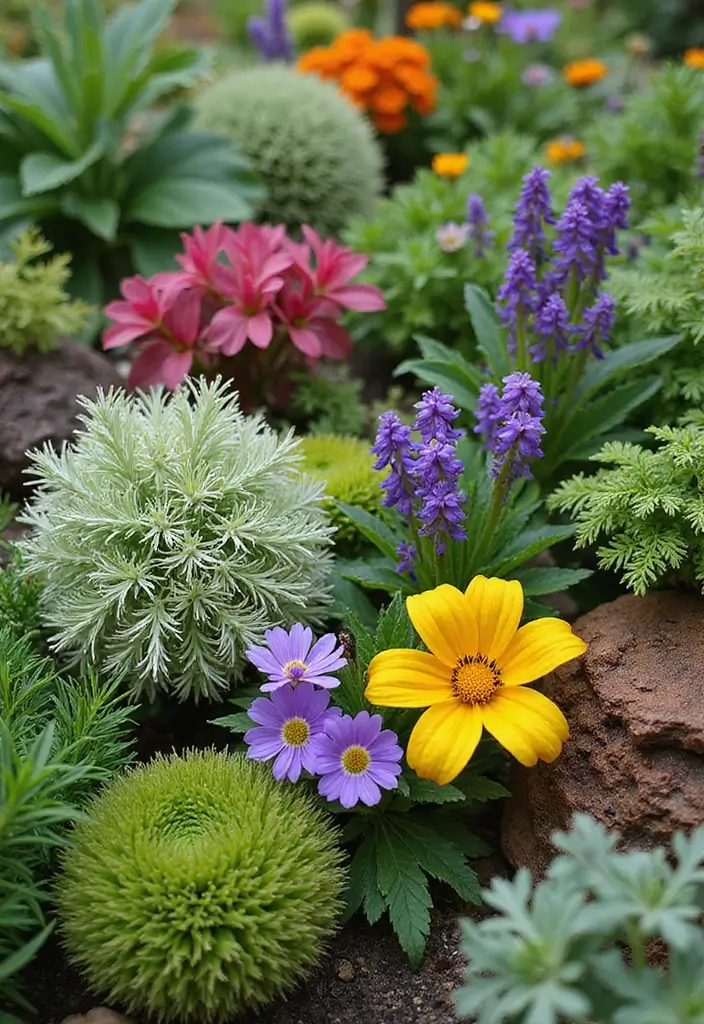
– Touch textures: pick plants with different feels. Soft lamb’s ear, fuzzy dusty miller, and smooth rosemary leaves work well. Include a few sturdy, kid friendly textures at reachable heights.
– Fragrant flowers and herbs: lavender, mint, rosemary, and lemon balm fill the air. These scents invite close sniffing and calm moments.
– Colors and sounds: bright flowers attract pollinators, while grasses rustle in the wind. Plant sunflowers or zinnias for color and add ornamental grasses for movement.
Practical picks you can use
– Texture ideas: lamb’s ear, sage, decorative grasses.
– Scent ideas: lavender, mint, lemon balm.
– Taste ideas: strawberries in a small bed, thyme, and edible nasturtiums.
– Safe edible options: select herbs and berries you know your child can handle with supervision.
Getting your kids involved
Let them pick a few plants and a spot. Create small challenges, like a scent walk or a taste test with safe herbs. Keep the mood light and celebrate what they discover. Assign roles such as plan, plant, and water to keep them invested.
Next steps: choose a sunny corner, install a low border, and map paths. Water regularly, mulch to keep soil moist, and check plants for kids to touch safely.
Sensory gardens are like magic classrooms! 🌼 They turn nature into a hands-on adventure where kids can touch, smell, and taste their way to a love for gardening. Let curiosity bloom!
11. Sensory Gardens
Editor’s Choice
Gardening Set, Tool Kit, for Kids, STEM, Includes Tote Bag, Spade, Water…
Amazon$19.95
9 Herb Indoor Garden Kit – Unique Kitchen Gift for Women, Men, Mom, Frie…
Amazon$25.95
90 PCS Waterproof Plant Labels, 9 Color Reusable Garden Markers with Wri…
Amazon$4.9812. Terrarium Creations
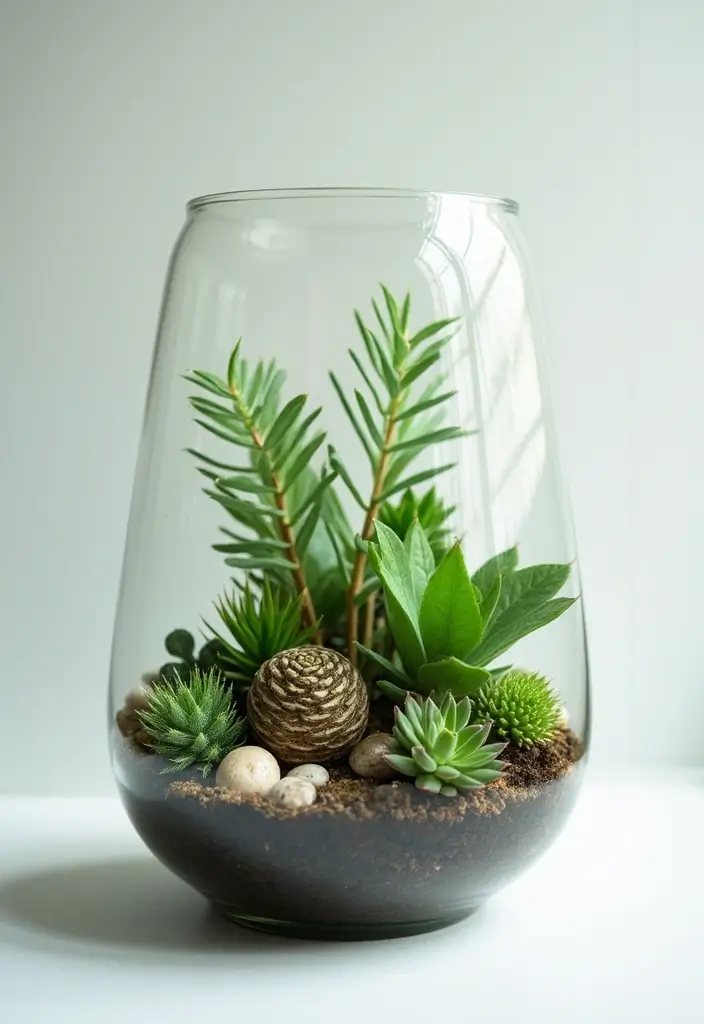
You want a project that is easy, hands-on, and teaches something real. A terrarium does that in a tiny glass world you can watch grow.
Here is why terrariums fit kids: they show care, water cycles, and plant basics in one place.
What you need
– Clear container: glass jar or plastic terrarium.
– Simple layers: stones, a pinch of charcoal, then soil.
– Small plants: moss, a tiny fern, or an air plant.
– Optional decorations: miniature figures or colored gravel.
Steps to build
– Pick a container that fits your space.
– Layer for health: stones, charcoal, soil.
– Place plants and decorations; press gently so roots touch soil.
– Open or sealed: sealed keeps moisture longer; open dries a bit faster.
Care tips
– Water sparingly when the top dries.
– Put it in bright light, not direct sun.
– Wipe the glass if condensation lingers and trim any mold.
Learning payoff
– You can see the water cycle in action as moisture forms on the glass.
– It becomes a living art piece that brightens your room and teaches biology in a quiet way.
Next steps
– Start a second terrarium with a different plant mix.
– Watch changes weekly and note what care changes help.
12. Terrarium Creations
Editor’s Choice

Exo Terra Glass Natural Terrarium Kit, for Reptiles and Amphibians, Nano…
Amazon$49.98
Mini Terrarium Plants (6 Plants) (2″ Pots) Fairy Garden Plants Assorted …
Amazon$31.99
2LB Succulent and Cactus Gravel Pebbles, 1/5 Inch Natural Decorative Pol…
Amazon$9.4913. Composting Fun
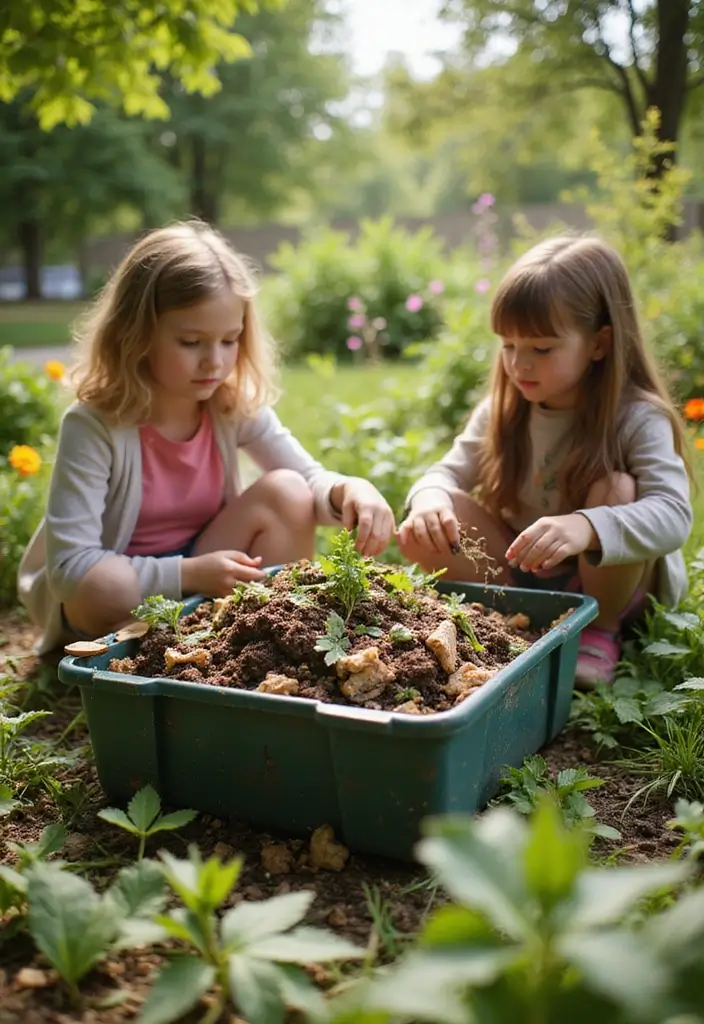
Feeling overwhelmed by kitchen scraps and a messy yard? You can teach kids and help the garden with a simple compost project. Quick to set up.
Compost is useful. It keeps waste out of the trash and feeds your garden with rich soil. The kids see real results when they drop scraps and watch soil become darker and richer.
Feel the soil crumble in your hands, hear the pile quiet down as it settles, and smell the sweet earth after rain.
Here is why you should start small: a tidy bin cuts smells and pests, and a well cared for pile makes crumbly soil that plants love.
Choose a compost bin
– Buy a ready-made bin, or build a small frame from pallets or wire mesh. Pick something easy for kids.
What to compost
– Fruit and veggie scraps, coffee grounds, eggshells, leaves. Skip meat and dairy.
Get kids involved
– Involve kids: Let them collect scraps, stir the pile, and check moisture.
Care tips
– Care tips: Keep the pile moist like a damp sponge. Turn it every few days.
What you get
– When ready: You get dark soil that helps plants grow.
– Next steps: Start small with a kitchen bin and a corner of your yard.
It fits a busy family schedule and needs little daily care.
Composting is like magic for your garden! Teach kids how kitchen scraps can transform into rich soil, and watch their excitement grow as they see nature in action.
13. Composting Fun
Editor’s Choice

Utopia Kitchen Compost Bin for Kitchen Countertop, 1.3 Gallon Compost Bu…
Amazon$31.99
EJWOX Stainless Steel Compost Aerator Tool – Manual Turner & Mixer for C…
Amazon$55.99
UNNI Compostable Trash Bags, 2.6 Gallon / 9.84 Liter, 100 Count, Extra T…
Amazon$12.9514. Garden-Themed Storytime

Here is why garden-themed storytime helps kids love nature. You read aloud outside and let the garden do the rest. The mix of soil scent, warm sun, and bright illustrations makes the stories come alive.
– Pick garden-friendly books – Choose nature-focused titles about plants, bugs, and growing. Good choices include The Very Hungry Caterpillar and Planting a Rainbow.
– Create a comfy reading space – Lay blankets and cushions in a shady spot. Add a small rug and soft lights if you have them.
– Read and discuss – Read aloud together, then ask a quick question about the story. For example, what did the caterpillar learn about growing?
– Link to a garden activity – After the talk, plant a seed or label a plant in your bed. A simple drawing helps kids remember.
– Keep it short – Aim for 20 to 30 minutes. Short sessions work best for kids.
– Stay safe and comfy – Bring water, sunscreen, and hats. Check the weather and move to shade when hot.
– Adapt to the weather – In cool weather, bring a blanket and a warm drink. In hot days, pick a shaded spot and sip water.
This routine builds reading skill and nature love without extra work. Your kids will carry memories of books and blossoms. You can do this with one book, or two if your child wants more.
A garden-themed storytime can spark your child’s love for nature. Combining the magic of storytelling with the beauty of the outdoors makes every page come alive!
14. Garden-Themed Storytime
Editor’s Choice

Hello, World! Garden Time: A Book of Plants and Gardening for Kids
Amazon$8.36
ZAZE Extra Large Picnic Outdoor Blanket, 80”x80” Waterproof Foldable B…
Amazon$29.9915. Garden Pizza Party
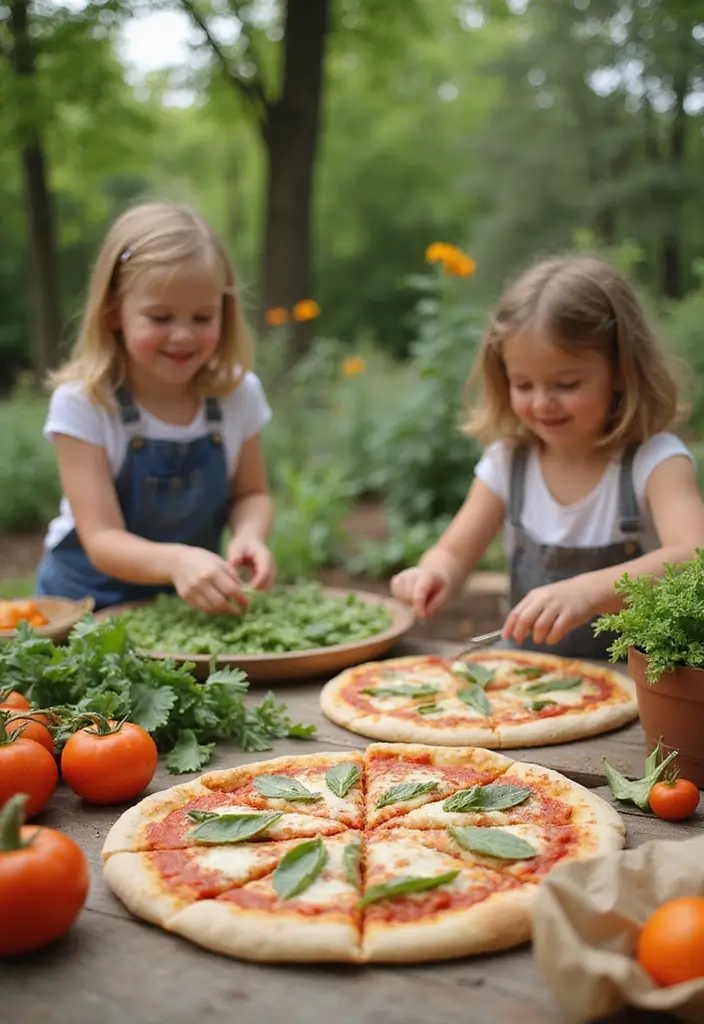
Kids love pizza and they want to see where it comes from. A garden pizza party turns growing, picking, and cooking into one tasty adventure. Here is why this approach works: kids stay curious when they can turn seeds into slices they can share.
Let’s break it down with simple steps you can try this season.
– Plan your toppings: Pick cherry tomatoes, basil, and mini peppers that grow quickly and are fun to harvest.
– Grow with the kids: Let them water, weed, and watch seeds become food, little by little.
– Set up a cooking station: Build a safe outdoor area with a kid table, aprons, and a small oven or grill supervised by an adult.
– Harvest and prep: Harvest ripe veggies, rinse them, and lay them out so kids can grab what they need.
– Build personal pizzas: Each child tops a round of dough with their chosen harvest for a personal pie.
– Share and savor: Eat the pizzas together in the garden and celebrate how their work turned into a meal.
This approach ties nature and flavor together. It teaches patience, math, and teamwork without a long lesson. Next steps: pick a weekend, set up a small outdoor cooking spot, and invite a few friends to join the garden pizza party.
15. Garden Pizza Party
Editor’s Choice
Gardening Set, Tool Kit, for Kids, STEM, Includes Tote Bag, Spade, Water…
Amazon$19.95
Little Tikes Easy Store Jr. Kid Picnic Play Table, Blue,green
Amazon$69.61
Kids Aprons for Girls Toddler Aprons with Pockets for Kids Cooking Bakin…
Amazon$6.97You Might Also Like
16. Garden Slime Station
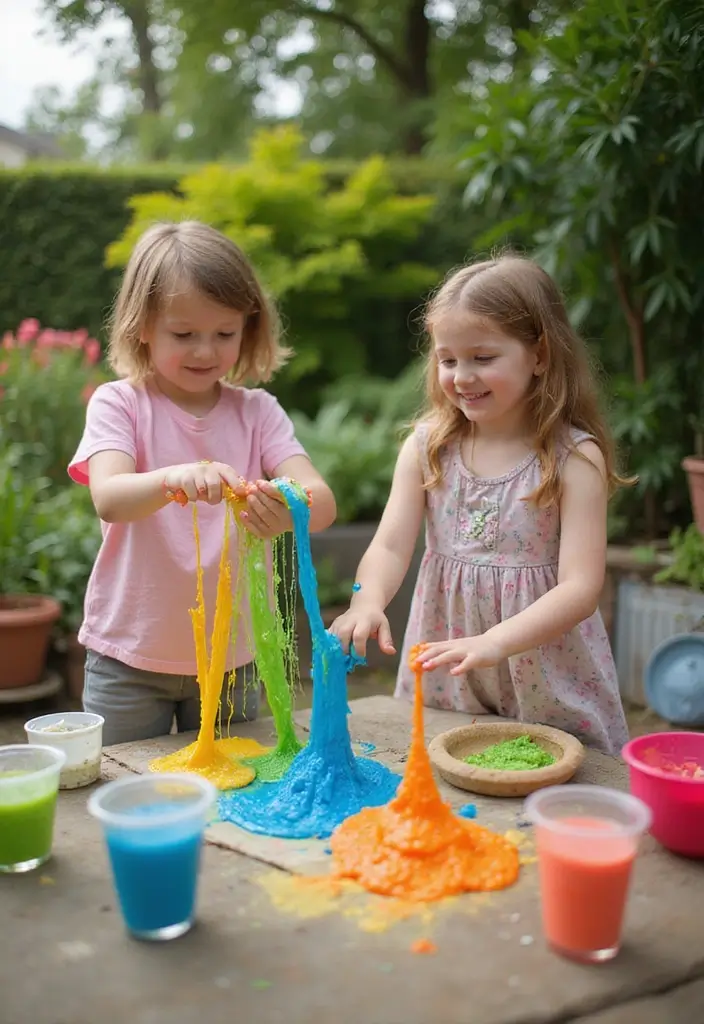
Garden Slime Station
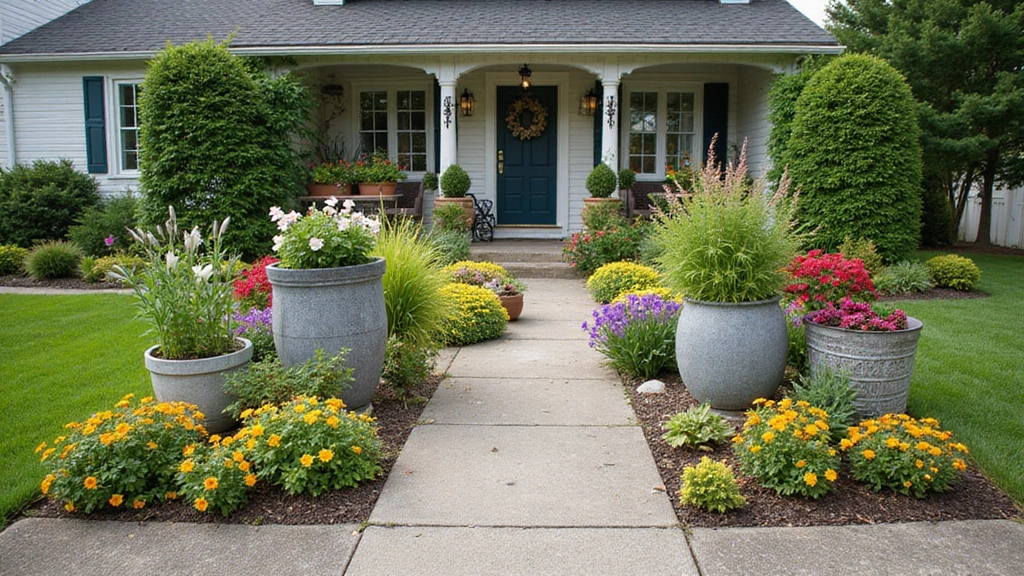
Here is why you need this in your garden time. A slime station turns a simple project into a mini lab and a nature walk in one. Kids mix, mold, and notice how garden bits change the texture and look. It teaches focus, curiosity, and fine motor skills.
What you’ll gather
– Glue, baking soda, and contact solution to make the slime base
– Small bowls and spoons for clean mixing
– Nature bits such as flower petals, leaves, seeds, or chopped herbs
– Optional extras: a few drops of safe scent or a splash of food color
Set up and make it
– Pick a flat outdoor table or a shaded patch with a tarp. It keeps mess in one spot.
– Make the slime base first. Mix glue with a little water, add baking soda until it thickens, then stir in a touch of contact solution.
– Invite nature in. Fold in petals, leaves, or seeds. Feel the petals slip between your fingers.
– Play and learn. Knead, stretch, and watch how the garden bits change the texture.
Care and cleanup
– Wash hands when you’re done and wipe the space clean. Save the slime in a resealable bag for later play.
This garden slime blends science and craft. It shows how simple ingredients become goo with a touch of nature. Next steps: try color changes or a scent to boost the garden feel.
16. Garden Slime Station
Editor’s Choice

126 Pcs DIY Slime Making Kit for Girls Boys – Birthday Idea for Kids Age…
Amazon$23.98
24 Pcs Kids Explorer Kit & Bug Catcher Kit for Kids, Outdoor Toys Advent…
Amazon$17.9917. Garden Treasure Maps
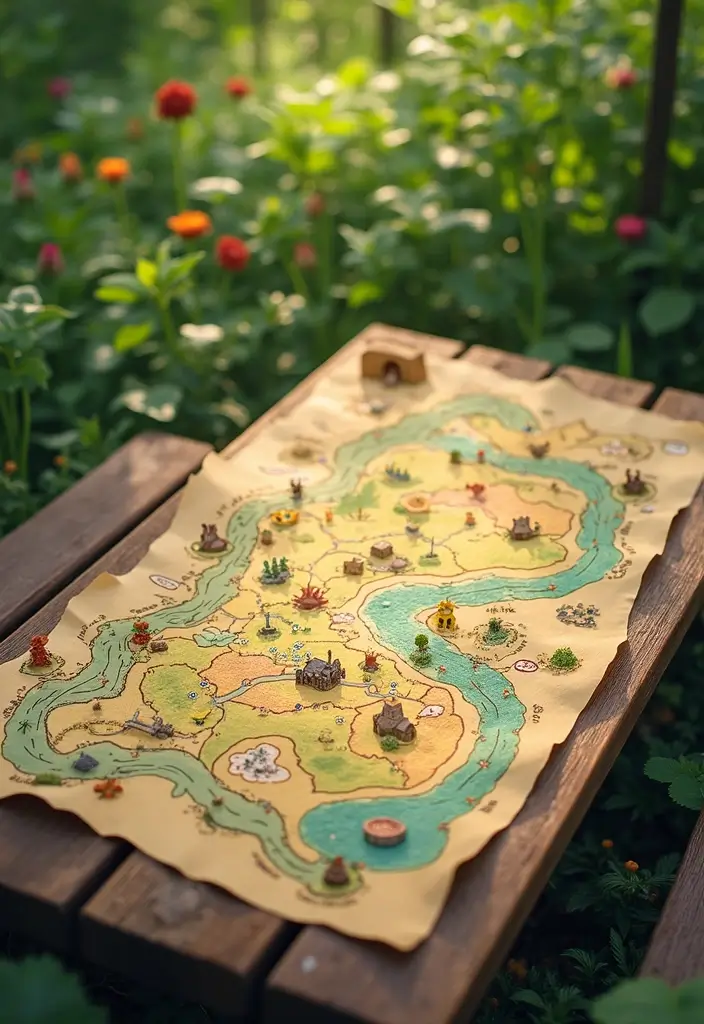
Garden Treasure Maps
Want a hands-on way to spark curiosity in nature? Try a garden treasure map. Kids love clues and maps. This activity makes the garden a place to explore. You set it. It helps focus and pride, not just play. They learn where seeds go and beds are laid out.
Here is why it works:
– It turns chores into quests, so garden time feels like a game.
– It builds planning and navigation as they draw, hide, and hunt.
– They notice colors and textures in plants.
What you’ll need:
– Paper and pencils
– Crayons or markers
– Tape and treasures (seed packets, plant markers, stickers)
– A simple map key for colors
How to do it:
– Map out the garden: let kids sketch the layout and mark veggie patches, flower beds, and paths.
– Add clues: write tiny gardening challenges or color-coded hints on the map.
– Hide treasures: place safe, small items around the yard where the map points.
– Start the hunt: give them the map and watch them search, using clues to guide them.
– Reflect together: talk about what surprised them and what they learned.
Next steps: save the map as garden journal page and add spots as the yard grows.
17. Garden Treasure Maps
Editor’s Choice

Sumind 89 Pieces Pirate Treasure Chest Kit Vintage Pirate Treasure Chest…
Amazon$18.99
Crayola Classic Bundle: 3 Items – Crayons (24 Count), Broad Line Markers…
Amazon$8.17
Set of 50 Flower Seed Packets! Flower Seeds in Bulk, 15 or More Varietie…
Amazon$18.7918. Root View Garden
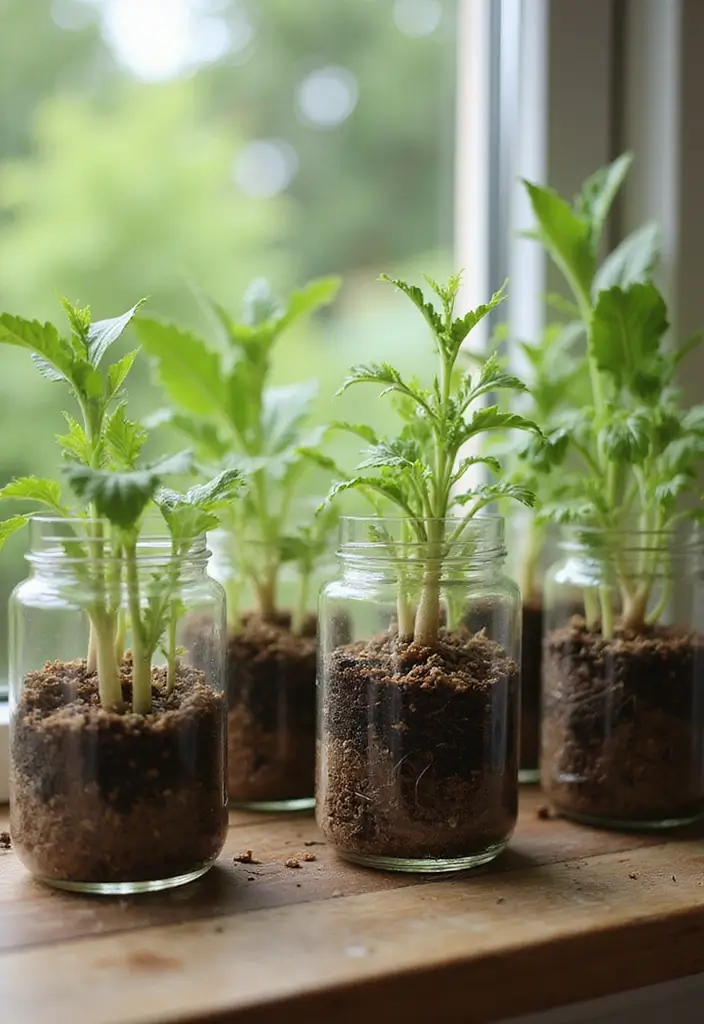
Root View Garden helps kids see what hides underground. With clear containers, you lift the veil and watch roots grow. This small science project gives a real feel of nature at home.
Here is how to make it.
– Choose a clear container: jars, cups, or plastic boxes. Keep it shallow so roots stay in view.
– Pick fast-growing seeds like beans or peas for quick results.
– Plant the seed: damp potting mix, press gently, and tuck the seed near the edge so roots show.
– Watch and record: check daily and log changes. Sketch roots and color, and note length.
– Care tips: give bright light, but not scorching. Keep the soil moist, not soggy.
– Talk it out: link roots to the plant life cycle.
Next steps.
– Try two seeds in one container to compare roots.
– Swap beans with peppers or corn for variety.
– Create a chart to track growth over a week.
This project gives a hands-on way to explore nature. It boosts curiosity and adds a clear lesson for kid gardening ideas. Keep a quick family photo log to show how roots change.
18. Root View Garden
Editor’s Choice

Sterilite 12 Pack Storage Box, 6 Quart Stackable Tote, Clear Plastic Con…
Amazon$29.99
Jonathan Green (10820) Fast Grow Grass Seed – Cool Season Lawn Seed (3 lb)
Amazon$9.99
Miracle-Gro Potting Mix, For Container Plants, Flowers, Vegetables, Shru…
Amazon$10.7419. Miniature Garden Models
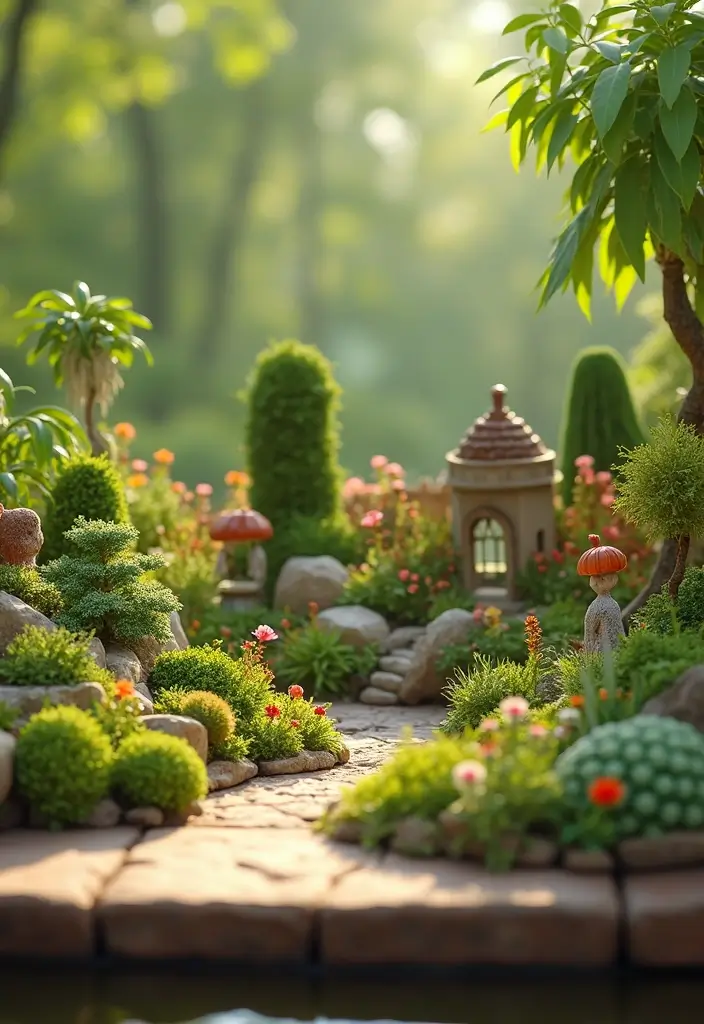
If your kid loves nature but wants a quick, tidy project, try miniature garden models. They mix art and science in a small, safe space you can manage together. Feel the smooth tray, smell the dirt, and watch tiny leaves glow in the sun.
What you’ll do
– Build a tiny world on a shallow base like a tray or dish.
– Choose tiny plants that fit the scale, such as small succulents or moss.
– Add mini decor—pebbles, shells, and little figurines—for life and color.
– Plan a simple layout with a path, a seating spot, and a tiny pond or bed.
– Keep it growing by light watering and a touch of sun, then tweak as you go.
Here is why it works. The project fits on a table and keeps mess low. Kids learn planning, choice, and care by hands-on play.
Next steps. Gather your materials, then start with the base. Place the plants, lay the path, and set the tiny details. Finish with a quick water check and a brave, proud display. You can swap in new plants seasonally to keep it fresh.
19. Miniature Garden Models
Editor’s Choice

DIY Miniature House Kit,Green Garden Mini House Building Kit with LED & …
Amazon$32.99
Altman Plants, Live Succulent Plants (20 Pack) Assorted Potted Succulent…
Amazon$29.17
2.5 lbs Drainage Rocks for Potted Plants, 1/5 Inch Small Pebbles for Ind…
Amazon$9.9920. Grow Your Own Pumpkins
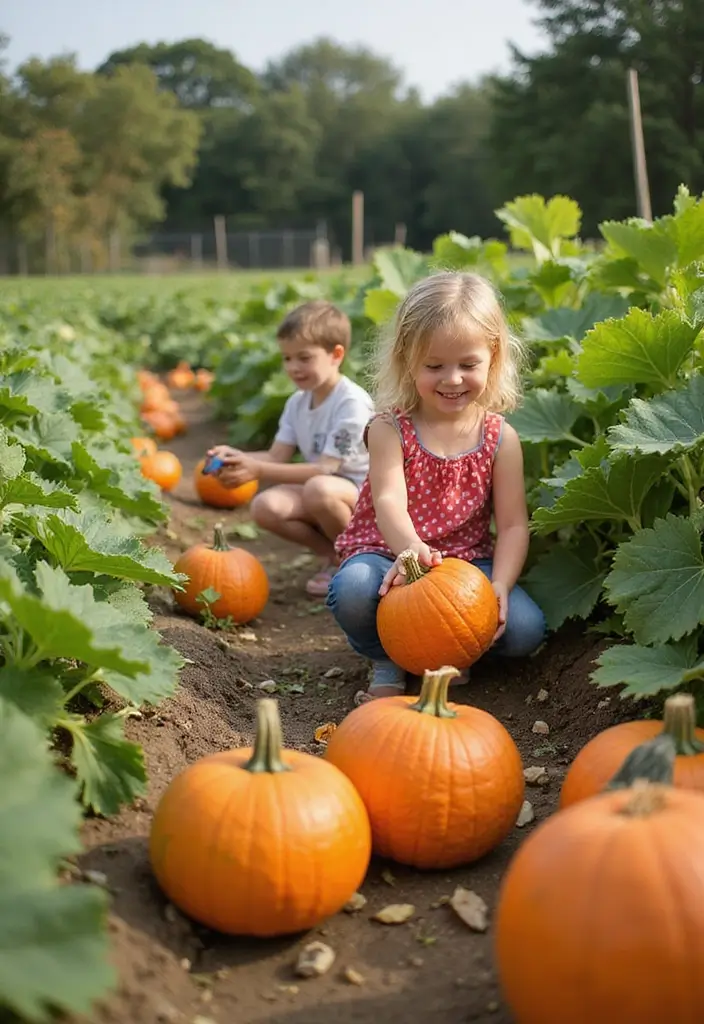
You want a fall project that kids love and that teaches them about plants. Grow your own pumpkins and turn a small patch into a busy project.
Here is why this works: pumpkins show big results from small effort. They teach patience, daily checks, and teamwork.
– Seed selection: Pick a pumpkin variety that fits your space. Tiny mini pumpkins stay compact.
– Planting tips: Plant after the last frost. Use fertile, well-drained soil. Plant seeds about one inch deep. Space two to three feet apart for small varieties, four to six feet for large ones. Water at the base.
– Care while growing: Mulch to hold moisture. Keep soil evenly damp. Feed with a light, balanced fertilizer as the vines grow. Let kids watch how the vines spread and where the fruit will form.
– Harvest and fun: Pumpkins are ready when they turn deep orange and sound hollow when tapped. Twist them off gently or cut with clean shears. Let them cure in sun for a week to harden the rind. Then store in a cool, dry spot or carve for a party.
Next steps: record growth, measure stem length, and plan a pumpkin party or a family carving night.
20. Grow Your Own Pumpkins
Editor’s Choice

Terrasoul Superfoods Organic Pumpkin Seeds, 2 Lbs – Premium Quality, She…
Amazon$20.99
Gardening Set, Tool Kit, for Kids, STEM, Includes Tote Bag, Spade, Water…
Amazon$19.95
Burpee Natural Purpose Granular 4-Lb Organic Food for Growing Strong Pla…
Amazon$11.28Conclusion
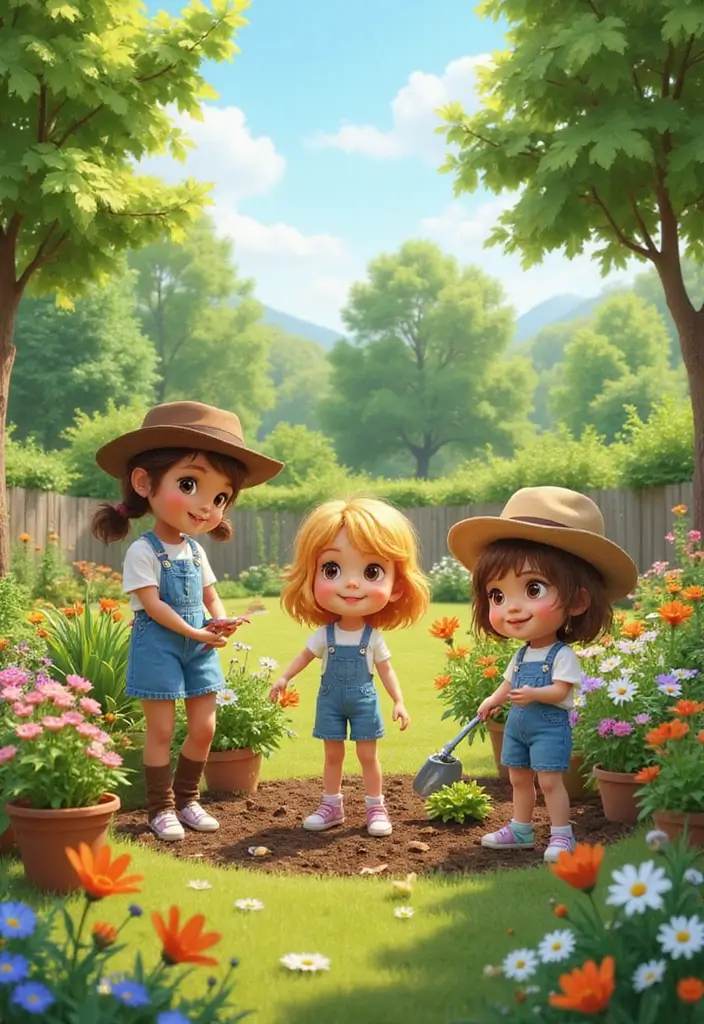
With these 20 whimsical gardening ideas, your kids are sure to fall in love with nature! Each project offers a unique blend of fun, creativity, and education, making gardening an enjoyable experience for everyone.
Encouraging kids to engage with the outdoors fosters responsibility and a lifelong appreciation for the natural world. Why not start today? Pick an idea or two and watch them bloom into little gardeners!
Note: We aim to provide accurate product links, but some may occasionally expire or become unavailable. If this happens, please search directly on Amazon for the product or a suitable alternative.
This post contains Amazon affiliate links, meaning I may earn a small commission if you purchase through my links, at no extra cost to you.
Frequently Asked Questions
What are some fun gardening ideas for kids to help them connect with nature?
There are so many whimsical gardening ideas for kids that can help them connect with nature! For instance, creating a fairy garden allows them to explore their imagination while engaging with plants. You can also try building a dinosaur garden where toys meet greenery, or turn veggies into silly monsters to make healthy eating exciting. Each project blends creativity with outdoor education, ensuring that kids have a blast while learning about nature!
How can I make gardening activities more educational for my children?
Incorporating educational elements into gardening activities can be both fun and rewarding! For example, you can start a nature journal where kids document their observations of plants and insects. Activities like nature scavenger hunts encourage them to explore and learn about different plant species. Additionally, building bug hotels helps teach kids about beneficial insects and their role in the ecosystem. These engaging projects make outdoor education exciting and memorable!
What supplies do I need to start a whimsical garden project with my kids?
Starting a whimsical garden project with your kids can be as simple as gathering a few supplies! For a fairy garden, you’ll need small pots, soil, tiny plants, and decorative items like pebbles and figurines. If you’re creating painted garden rocks, gather smooth rocks and non-toxic paints. Don’t forget materials for activities like terrarium creations or garden art projects. The goal is to have fun while nurturing their creativity and love for nature!
How can I encourage my kids to take care of their garden projects?
Encouraging kids to take care of their garden projects can be a delightful experience! Start by letting them choose what to plant or which project to undertake, fostering a sense of ownership. Setting a regular schedule for watering and maintenance can also instill responsibility. Celebrate their successes, whether it’s a sprouting seed or a beautiful butterfly garden, and make it a family affair by joining in on the fun together. Remember, the more engaged they feel, the more likely they’ll want to care for their garden!
Are there gardening ideas suitable for small outdoor spaces or apartments?
Absolutely! Even small outdoor spaces can be transformed into magical gardens. Consider starting with miniature garden models or container gardening for limited areas. You can also create a terrarium indoors, which requires minimal space but is visually stunning. If you have a balcony, try a butterfly garden in pots to attract beautiful insects. With a little creativity, you can cultivate a love for gardening, no matter the size of your space!
Related Topics
gardening ideas for kids
whimsical gardening
outdoor education
fun activities
DIY garden projects
nature play
easy gardening
family gardening
sensory gardens
edible gardens
creative gardening
seasonal activities


These gardening ideas are so much fun! I can already picture my kids getting muddy and giggling while planting. What’s the most creative plant you’ve ever grown with kids?
I love the idea of creating a fairy garden! It reminds me of when I tried to build a mini dinosaur park with my son, but we ended up with a garden full of plastic dinosaurs instead. Talk about a prehistoric mess!
Did you know that kids who garden are more likely to eat their veggies? It’s true! I wish I’d known that when I was trying to get my picky eater to try broccoli!