

I put this together because busy homeowners deserve a front yard that shines. Curb appeal matters, but your weekend is precious. So I pulled together 20 low maintenance flower beds that deliver color, texture, and ease.
If you want curb appeal that lasts with minimal work, this is for you. You care about plants that handle heat and drought. You want a yard that stays pretty with a busy schedule. These ideas are simple, practical, and easy to implement.
You might be curious about the #4 bed. You won’t believe how simple it is. It is a clever mix that looks lush and uses little water. The list covers sunny and shaded spots, small yards, and tight budgets. Each bed idea comes with notes on sun, soil, and how much care it needs, plus tips you can copy this weekend.
Here is what you’ll get in return. Choose a plan you can adapt to your home. Learn how to pick plants that share water needs. Use mulch to cut weeds and edging to keep beds neat. You’ll also pick up quick setup ideas like drip irrigation that save time.
How to use this post is easy. First, scan your yard to spot sun and shade. Then pick a bed style that fits your space and budget. Finally, mix ideas to create your own 20 bed plan over time. Start with one bed this season and add another as you learn what works. You’ll build a front yard you love without burning out.
Stay with me to explore every idea, plus simple shopping lists and care routines. These beds are designed to be easy to maintain and appealing through the seasons. By the end, you’ll feel confident making smart plant choices that turn your front yard into a welcoming place.
Contents
- 1. Perennial Paradise
- 2. Rock Garden Resilience
- 3. Edible Elegance
- 4. Drought-Resistant Charm
- 5. Shade-Loving Splendor
- 6. Buzz-Worthy Blooms
- 7. Minimalist Magic
- 8. Cottage Garden Charm
- 9. Annual Allure
- 10. Tropical Touch
- 11. Bordering Beauty
- 12. Grouping for Impact
- 13. Whimsical Wildflowers
- 14. Vertical Garden Vibes
- 15. Fall Foliage Flair
- 16. Color Wheel Design
- 17. Herbs in Bloom
- 18. Seasonal Switch-Up
- 19. Artistic Arrangements
- 20. Zen Garden Serenity
1. Perennial Paradise
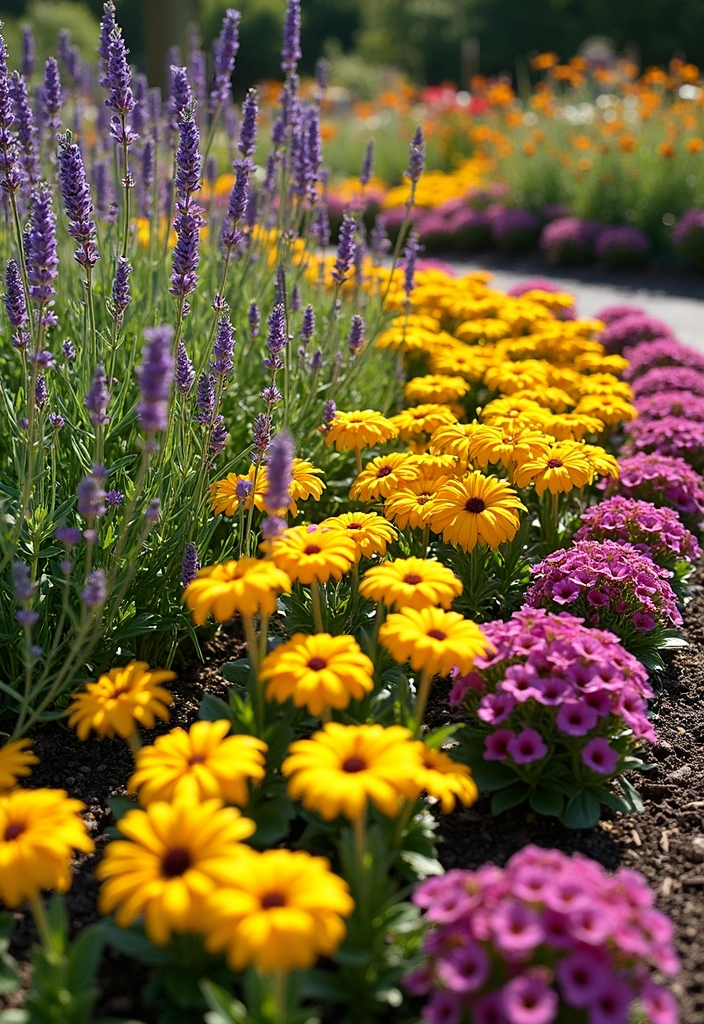
If you want a front yard that looks fresh with little work, perennials are your go-to choice. They come back every year with almost no fuss.
Try this small dream team for sunny spots: lavender, daylilies, and black-eyed Susans. They shine in sun, bloom long, and stand up to heat. Lavender smells nice and stays compact. Daylilies burst with color and can handle dry spells once they are established. Black-eyed Susans glow with bright centers.
Tips:
– Group by height to create depth. Place short plants in front and tall ones in back.
– Use mulch to hold moisture and keep weeds away.
– Regularly deadhead to coax more blooms and keep the bed tidy.
Here is why this approach works: perennials return year after year, so you spend less time planting. The mix of colors and textures keeps the bed interesting from season to season.
Next steps to start today: pick a sunny bed, loosen the soil, and mix in compost. Plant with proper spacing and water well right after planting. Mulch after planting and check moisture through the first weeks.
With a little setup, your front yard will feel welcoming without heavy upkeep.
1. Perennial Paradise
Editor’s Choice

GardenStraw, 3 cu ft (20 lbs) Pack of 1 – All-Natural Mulch for Gardens,…
 Amazon$39.99
HOME GROWN 𝗨𝗦𝗔 𝗣𝗥𝗘𝗠𝗜𝗨𝗠 90,000+ Wildflower Seeds Mix 3oz 24 Var…
Amazon$14.99
Fiskars Bypass Pruning Shears, 5/8-Inch Cut Capacity Garden Clippers, Ga…
Amazon$13.982. Rock Garden Resilience
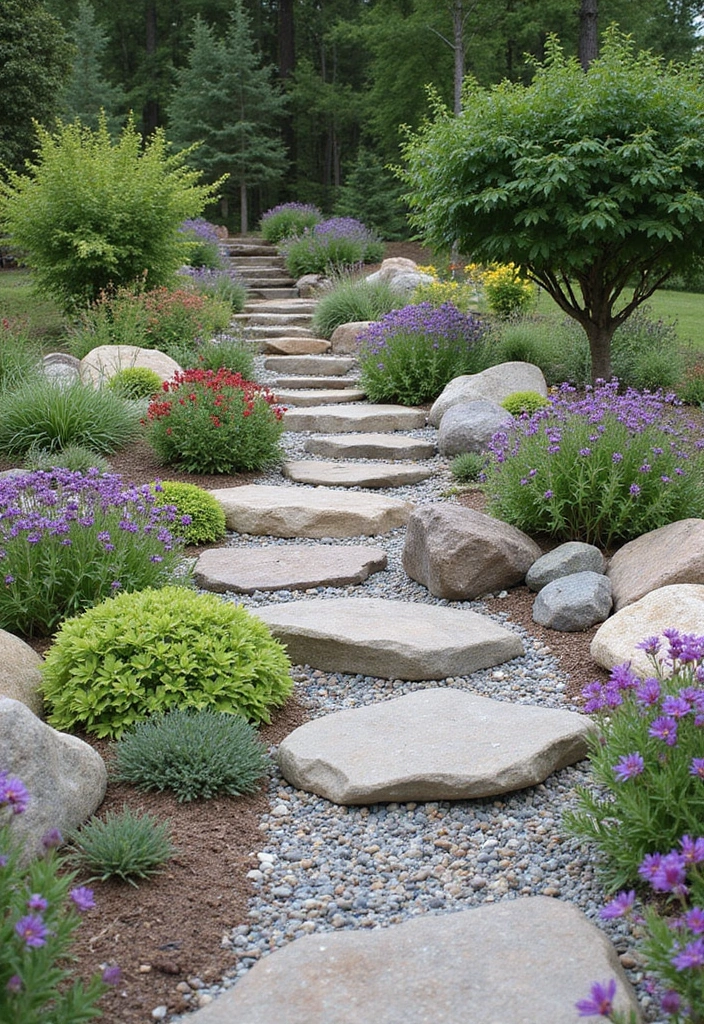
You want a yard that stays pretty with little upkeep. A rock garden can give you that. It uses stones and gravel. It stays calm in heat.
Here is why it works. Well drained soil helps. Plants that hate wet feet handle dry spells.
Focus on dry-loving plants. Sedum, stonecrop, and alpine asters are good bets. They store water in their leaves and stay small. Plant them in pockets of soil between the stones.
Plan the layout. Place a mix of rock sizes for texture. Use large rocks as anchors and small stones to fill gaps. Create paths by laying flat stones between plants. The paths guide the eye and prevent crush.
Prep the soil. If you have heavy clay, mix in grit and compost. Build the bed slightly raised to drain water. Mulch sparingly so plants can breathe.
Maintenance is simple. Check for weeds after rain. Water only during long dry spells after they settle. If a rock shifts, reset it on a calm day.
Insights:
– Choose rocks that complement your home’s style.
– Arrange stones to form natural paths between plants.
– Use a mix of sizes for texture and interest.
This rock garden adds an earthy feel and fits many house styles. It’s a solid option for beauty with less work.
2. Rock Garden Resilience
Editor’s Choice

Rock Collection Starter Kit – 54 Pcs Assorted Gemstones, Crystals, Rocks…
Amazon$36.99
NUPICK 3-5mm Coarse Sand for Plants, 3lb Horticultural Grit for Succulen…
Amazon$9.99
River Rock Stepping Stones Outdoor for Garden Walkway, 10 inch Diameter …
Amazon$29.773. Edible Elegance
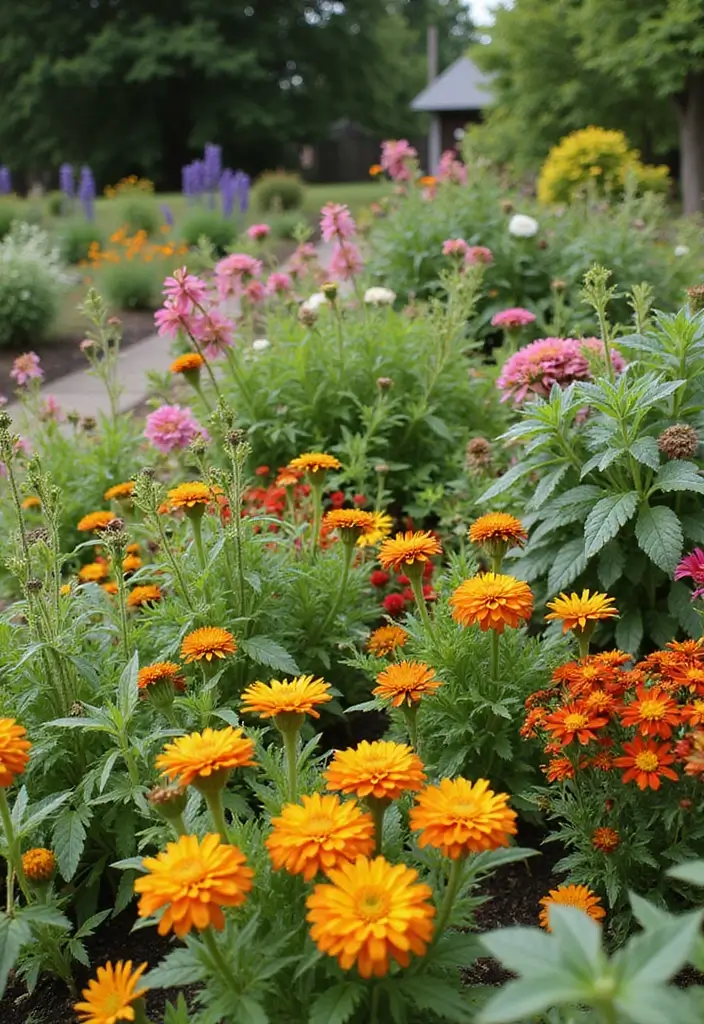
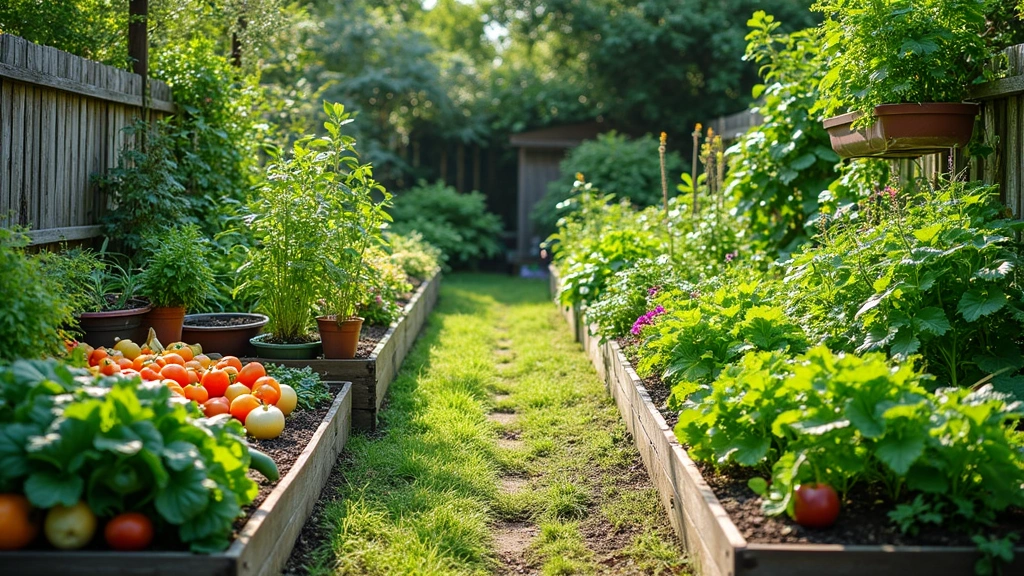
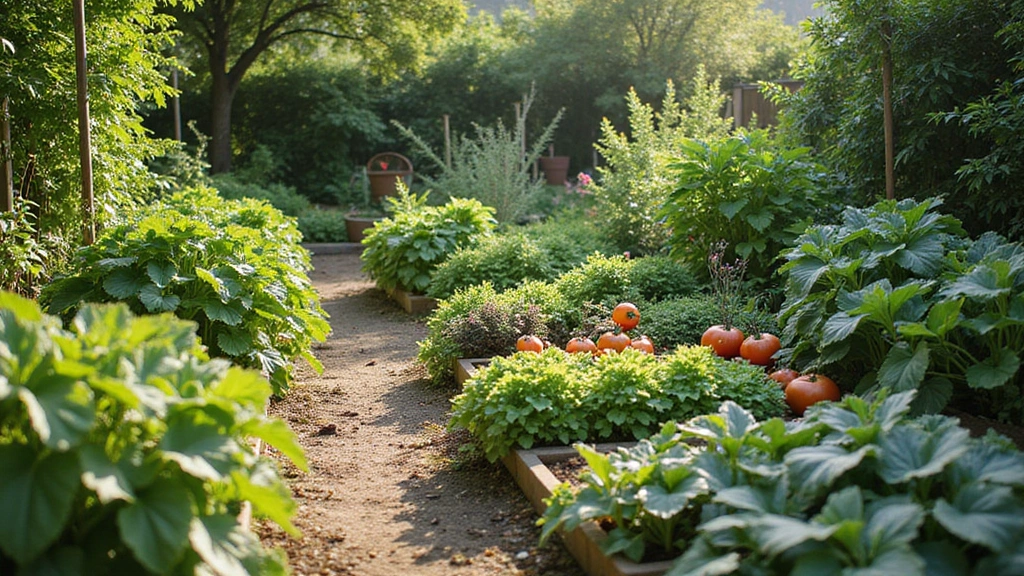
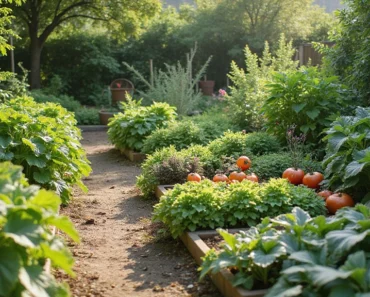
Want a front yard that looks great and feeds you too? This idea blends flowers with edible plants for a space that is both pretty and useful.
Here is why it works. Flowers invite bees and butterflies, while vegetables and herbs give you fresh flavor. You get color, scent, and food in one bed.
How to lay it out:
– Plant tall vegetables at the back so they stand out without crowding.
– Put shorter flowers up front to keep the bed bright and easy to care for.
– Use herbs like basil and oregano as low, steady fillers.
– Rotate crops every year to keep soil healthy and bugs on the move.
Plant picks you can trust:
– Back row: tomatoes, peppers, and a dwarf zucchini.
– Mid-height: nasturtiums and chives for color and bite.
– Front edge: calendula and marigolds to attract pollinators and deter pests.
– Spices and greens: basil, oregano, and parsley.
Care tips for a low maintenance bed:
– Mulch well and water at dawn to cut evaporation.
– Feed with compost and let the soil breathe.
– Check sun needs and keep spacing right to avoid crowding.
Next steps: map your space, choose a few starter plants, and watch your yard become both beautiful and productive.
Transform your front yard into a feast for the senses! Combining low maintenance flower beds with edible plants not only looks stunning but also nourishes your soul. Let nature’s beauty and flavor thrive together!
3. Edible Elegance
Editor’s Choice

Back to the Roots Heirloom Organic, Non-GMO & USA Grown Seeds, 30ct Herb…
Amazon$25.19
Back to the Roots 25.7qt (1 Cubic ft) Organic Premium Mulch
Amazon$28.99
Utopia Kitchen Compost Bin for Kitchen Countertop, 1.3 Gallon Compost Bu…
Amazon$31.994. Drought-Resistant Charm
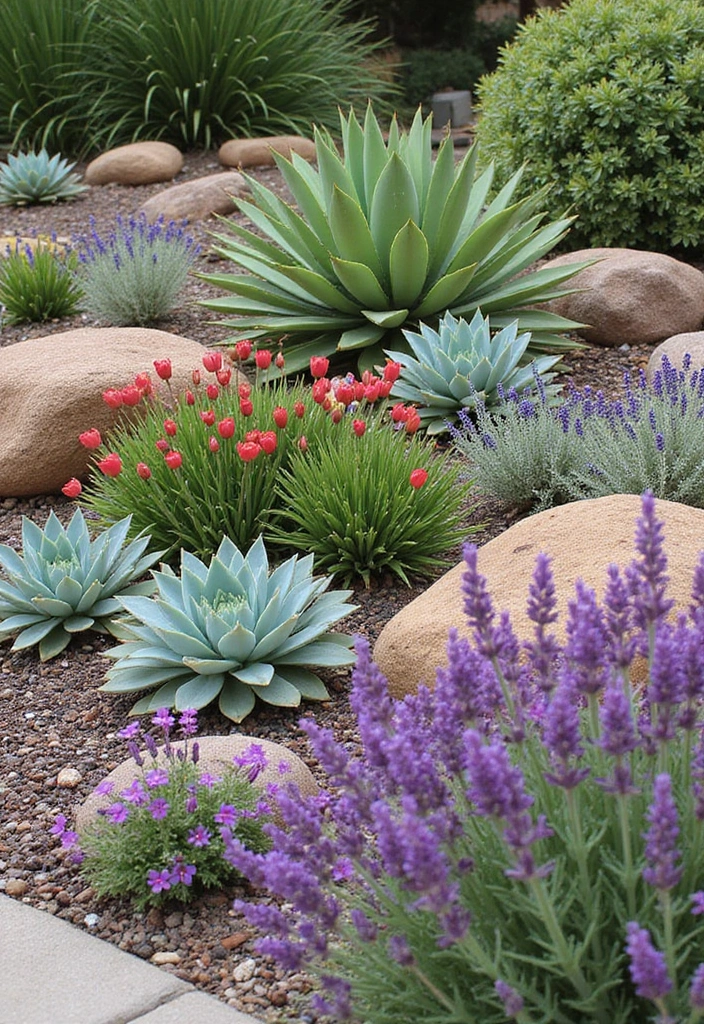
If your yard is dry, color and life matter without wasting water. A drought-tolerant bed can deliver both. Think succulents, agave, and lavender. They shine in heat and are easy to care for.
Here is why this works: you get strong shapes, soft colors, and easy upkeep.
– Choose sandy soil or add sand to boost drainage. This helps roots stay healthy and stops puddles.
– Layer with decorative rocks or gravel. They look crisp and slow evaporation.
– Group similar plants. A single type repeats color and texture, making a calm bed.
– Add a light mulch to lock moisture and cool soil.
Plant ideas that fit this plan: small agave, stonecrop, ornamental grass, and lavender. Pair tall lavender with short succulents for contrast.
Next steps:
– Create a simple drip system or a soaker hose. Water low and slow at sunrise.
– Let newly planted beds settle for 2–3 weeks before heavy watering.
– Check soil moisture about once a week, not daily.
A drought-friendly bed saves water and keeps your home looking clean and modern. You’ll see color, form, and life even on hot days.
4. Drought-Resistant Charm
Editor’s Choice

Rain Bird DRIPKITBAG Drip Irrigation Repair and Expansion Kit
Amazon$31.47
2LB Succulent and Cactus Gravel Pebbles, 1/5 Inch Natural Decorative Pol…
Amazon$9.49
Back to the Roots 25.7qt (1 Cubic ft) Organic Premium Mulch
Amazon$28.995. Shade-Loving Splendor
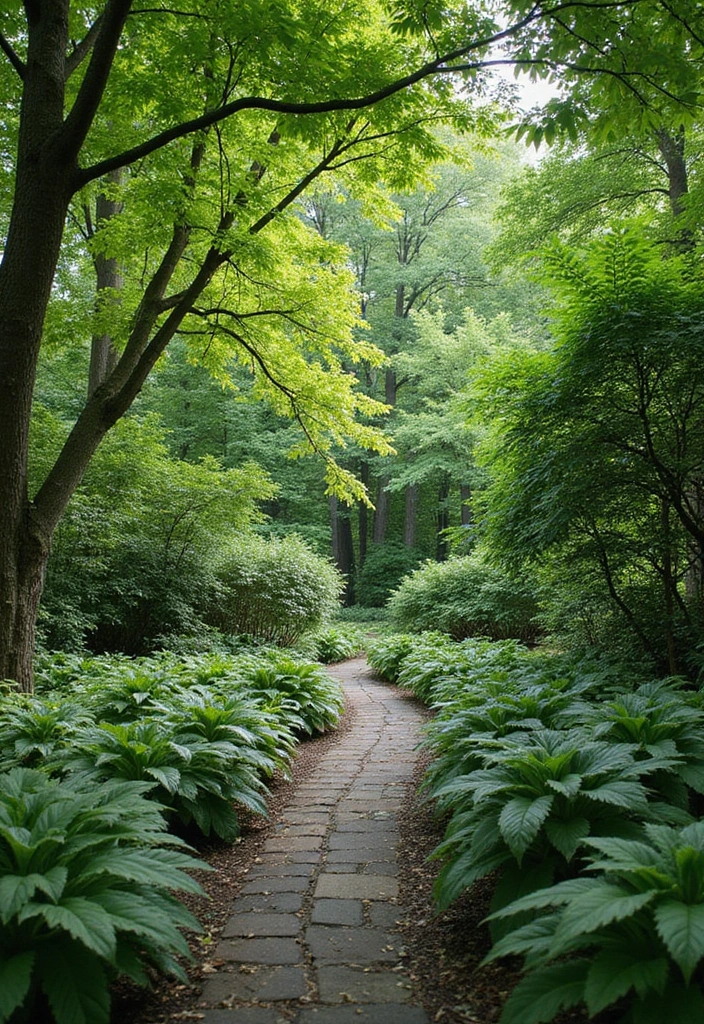
Shade can feel like a wall to your yard. But a small bed of shade-loving plants can turn that wall into a cool, green retreat. Start with three easy stars: hostas for bold leaves, ferns for lacy texture, and astilbes for plumes of color. They tolerate dim light and stay green most of the year.
Plan your bed like a stage. Place taller plants in the back, mid-height in the middle, and low ground covers up front. That keeps the area neat and easy to walk through.
Soil and moisture matter in shade. Add 2 to 3 inches of mulch. It keeps roots cool and holds water. If your soil drains slowly, mix in some compost to loosen it a bit.
To brighten the shade without sun, add light-colored stones, a small statue, or pale edging. The pale details reflect the little light that reaches the bed.
Ground cover can finish the look. A few clumping ferns and creeping options give you a soft edge. Think about irrigation so you don’t forget to water.
Seasonal flow makes it lively. Hostas wake up first, ferns stay green, astilbes bring late-spring color. The bed stays welcoming even on cloudy days.
Tips:
– Layer plants by height, taller to the back
– Mulch to lock in moisture and cool roots
– Use light stones or pale decor to brighten the spot
With routine care, this shade bed stays rich and easy to look after.
5. Shade-Loving Splendor
Editor’s Choice
Back to the Roots 25.7qt (1 Cubic ft) Organic Premium Mulch
Amazon$28.99
Alpine Corporation 16″ Tall Indoor/Outdoor Girl and Boy Sitting on Bench…
Amazon$76.69
Pebbles Polished Gravel, Natural Polished Mixed Color Stones, Small Deco…
Amazon$9.986. Buzz-Worthy Blooms
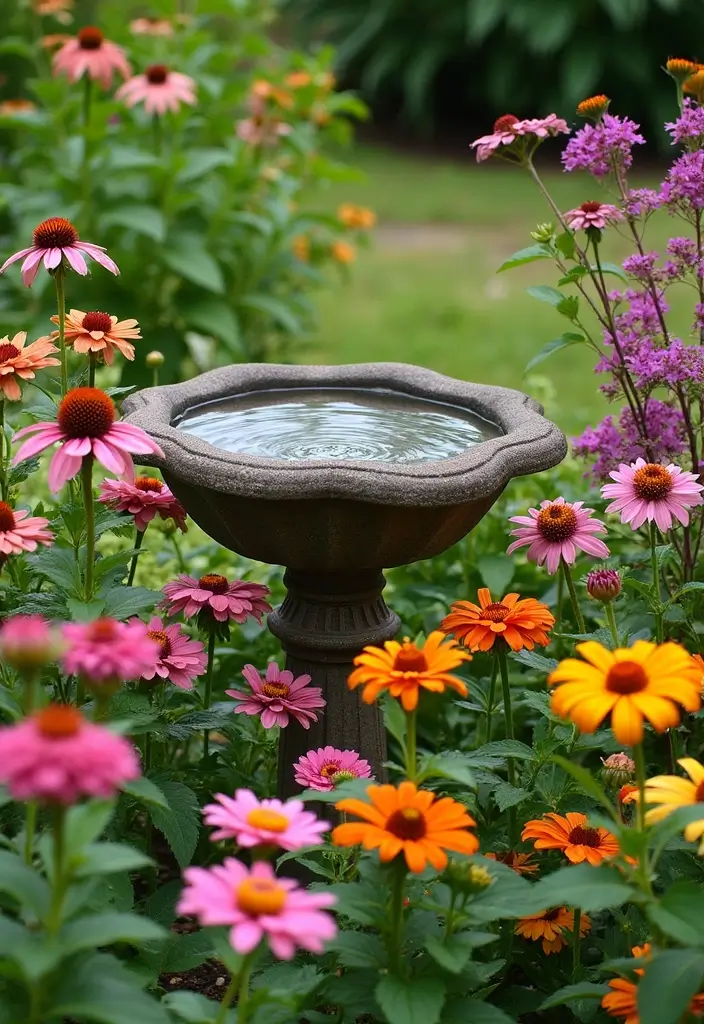
You want a front yard that looks lively and helps pollinators. This bed of easy care blooms makes that possible.
Coneflowers, bee balm, and zinnias draw bees and butterflies with bright colors and sweet nectar. They handle heat and dry spells with little fuss, so you spend more time enjoying the view than tending the bed.
Suggestions:
– Plant in clusters for a bold splash of color.
– Skip pesticides to keep pollinators safe.
– Include a small water source like a birdbath to invite more visitors.
This design pays you back with steady color from spring to fall and supports local wildlife.
Here is why it works: clustering plants creates scent trails and visual cues that stay in view as pollinators move along the bed. Tall stems give height, while lower blooms fill gaps and keep the bed lively.
Next steps: pick a sunny spot, loosen the soil, and mix in a little compost. Plant in tight groups, then mulch lightly. Water deeply the first few weeks, then water when the soil dries.
Be practical: if summers pull moisture away, a weekly drink keeps the blooms strong. With care, this bed becomes a welcoming corner that charms you and your pollinators.
6. Buzz-Worthy Blooms
Editor’s Choice

Burpee Wildflower 25,000 Bulk, 1 Bag, 18 Varieties of Non-GMO Flower See…
Amazon$6.81
Alpine Corporation TEC114 31″ Tall Outdoor Antique Flower Birdbath with …
Amazon$23.44
Back to the Roots 25.7qt (1 Cubic ft) Organic Premium Mulch
Amazon$28.997. Minimalist Magic
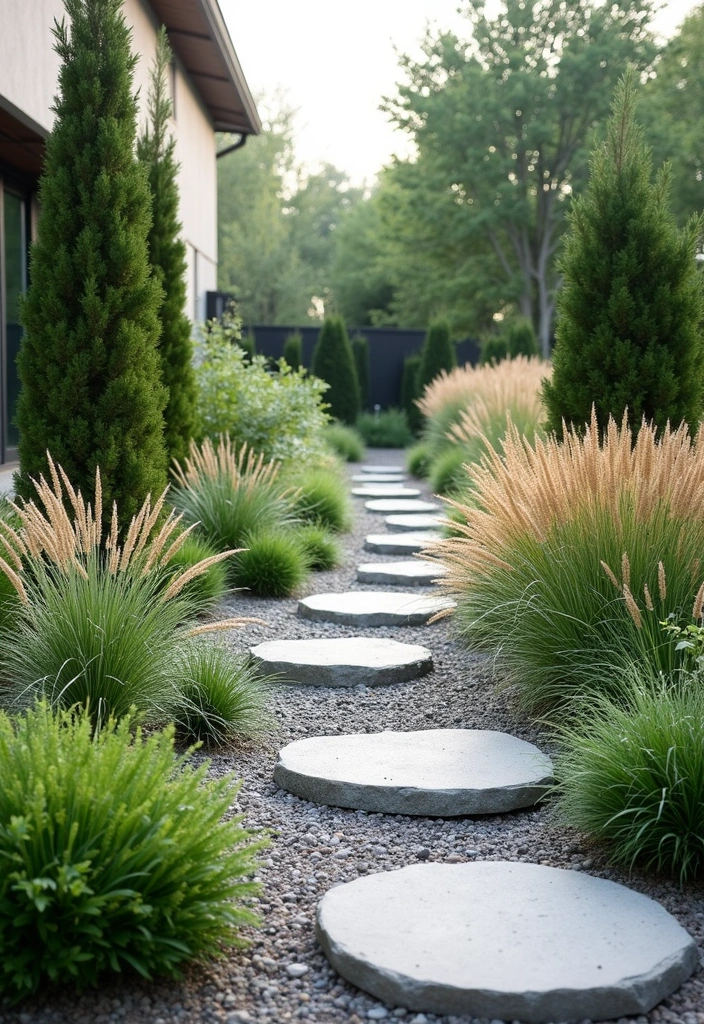
Minimalist Magic
Here is why a simple bed works. You get a clean, modern look for your front yard with less work. A few well-chosen plants stay neat all year. Use ornamental grasses and evergreen shrubs to keep form and color.
– Start with a restrained color palette. Stick to greens and one cool accent like blue-green foliage.
– Mix textures with soft plumes and glossy leaves.
– Add stepping stones or gravel to guide the eye and cut weeds.
– Pick low-growing varieties. Stay under three feet to avoid crowding.
Next steps:
– Plan your layout on paper. Put taller plants at the back and shorter ones in front.
– Choose durable stepping stones and gravel that drains well.
– Layer in mulch and a thin ground cover. It keeps moisture steady.
Maintenance basics:
– Water deeply in spring, then let nature do most work.
– Prune lightly after winter or late summer.
– Rake leaves and refresh mulch annually.
This simple bed stays fresh with less work and better curb appeal. You can swap in new grasses as seasons shift.
7. Minimalist Magic
Editor’s Choice

Perennial Farm Marketplace Panicum v. ‘Cape Breeze’ (Switchgrass) Orname…
AmazonCheck Price
Spoontiques – Garden Décor – Scatter Kindness Stepping Stone – Decorativ…
Amazon$21.99
Back to the Roots 25.7qt (1 Cubic ft) Organic Premium Mulch
Amazon$28.998. Cottage Garden Charm
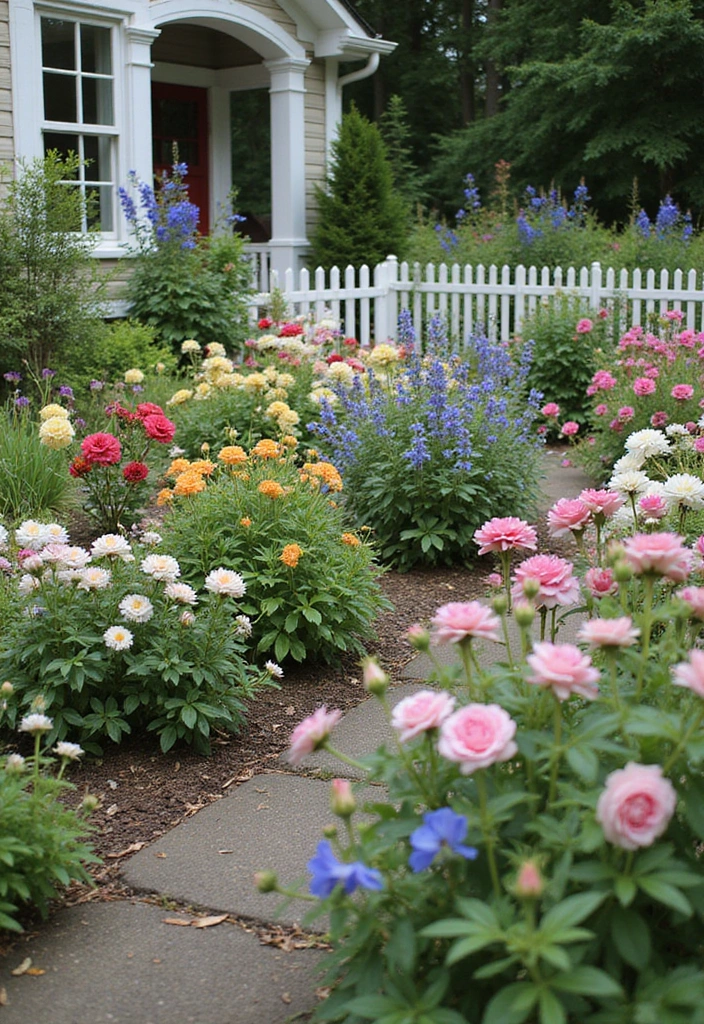
If you want a front yard that feels cozy but stays simple to care for, cottage garden style fits. A mix of roses, delphiniums, and snapdragons blends soft colors with playful textures. The look is warm, inviting, and easy to keep in good shape.
Here is why it works for busy gardeners. Plant in clusters rather than strict rows. It fills space fast and hides gaps with less work. A white picket fence or a trellis adds instant charm. Tuck in fragrant herbs like mint or thyme for scent and utility.
Tips:
– Group flowers in rounded clumps to get a lush feel with less upkeep.
– Add a simple fence or trellis to frame the bed and keep the space looking neat.
– Include mint or thyme near the edge for scent and a living ground cover.
Next steps: Here is a practical plan you can try this season.
– Choose a sunny border you can reach easily for regular care.
– Pick 2-3 bloom colors that feel calm together.
– Plant 2 roses, 1 tall delphinium, and several snapdragons in small groups.
– Add a low herb border with mint and thyme for scent and utility.
Care ideas to keep it tidy without heavy work.
– Mulch in spring to hold moisture and suppress weeds.
– Water with a soaker hose at dawn.
– Deadhead spent blooms and trim back lightly after peak flowering.
This cottage look invites friends over and gives you color and scent with little fuss.
8. Cottage Garden Charm
Editor’s Choice

Raindrip 015005T 1/4-Inch by 50-Foot Soaker Hose Tubing for Drip Irrigat…
Amazon$11.41
GardenStraw, 3 cu ft (20 lbs) Pack of 1 – All-Natural Mulch for Gardens,…
Amazon$39.99
RUBFAC 94″ Metal Garden Arch Trellis for Climbing Plants Outdoor, Garden…
Amazon$19.99You might also like
9. Annual Allure
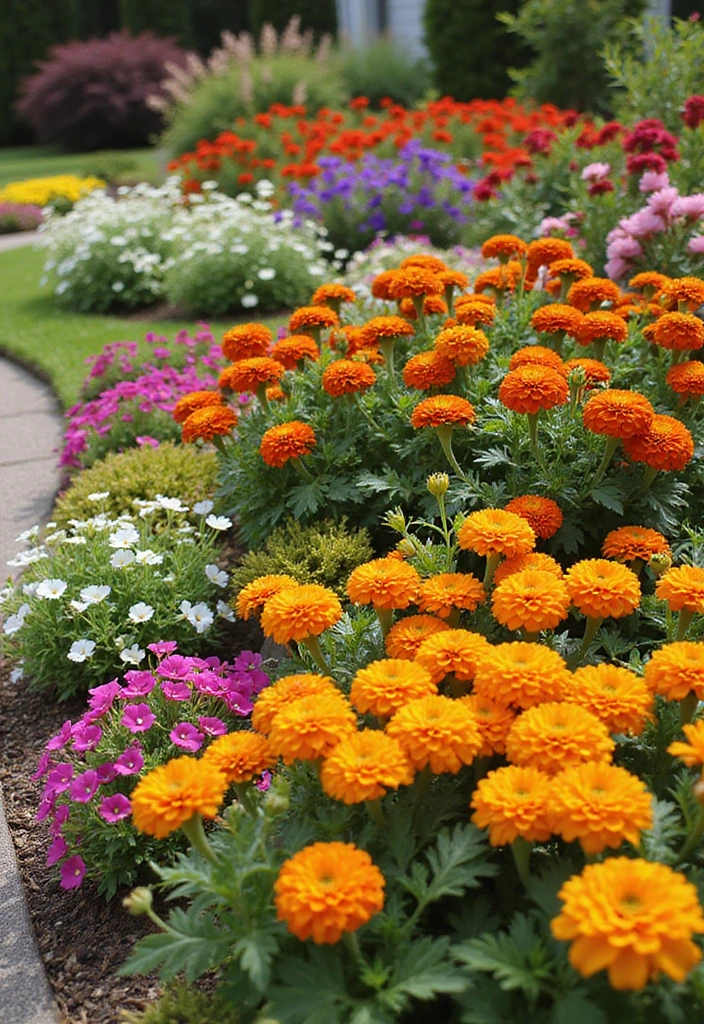
Want fast color in your front yard? Annuals give bright blooms in days, not weeks. Picture marigolds, petunias, and geraniums in oranges, pinks, and reds. They fill gaps and keep color alive through most of the growing season. Plant them where perennials lag, then watch the bed wake up with life in a few weeks.
Suggestions
– Use annuals to complement perennials in your bed.
– Deadhead regularly to keep blooms coming.
– Rotate colors and textures each season for a fresh look.
Choose sun lovers for sunny spots you have. In full sun, pick petunias and marigolds. In shade, wax begonias or impatiens work well. Prepare soil with a little compost, then mulch to hold moisture. Water at the base deeply a few times a week, more in heat. Pinch back stems to keep blooms coming. If pests appear, act quickly with simple sprays or manual removal.
Display ideas: mix colors in borders or tuck tidy pots on steps. Use affordable containers so you can swap in new shades each season. Pest and weather checks weekly help you stay on top of care. Next steps: choose a color plan, prep soil, and plant. When blooms slow, swap in a new color mix.
9. Annual Allure
Editor’s Choice

HOME GROWN 𝗨𝗦𝗔 𝗣𝗥𝗘𝗠𝗜𝗨𝗠 Zinnia Dahlia Seeds Pack for 2026 – 524…
Amazon$6.99
Back to the Roots 25.7qt (1 Cubic ft) Organic Premium Compost
Amazon$19.99
Kynup Garden Tools 7-Piece, Gardening Hand Tools, Gardening Tools Set Cu…
Amazon$16.9910. Tropical Touch
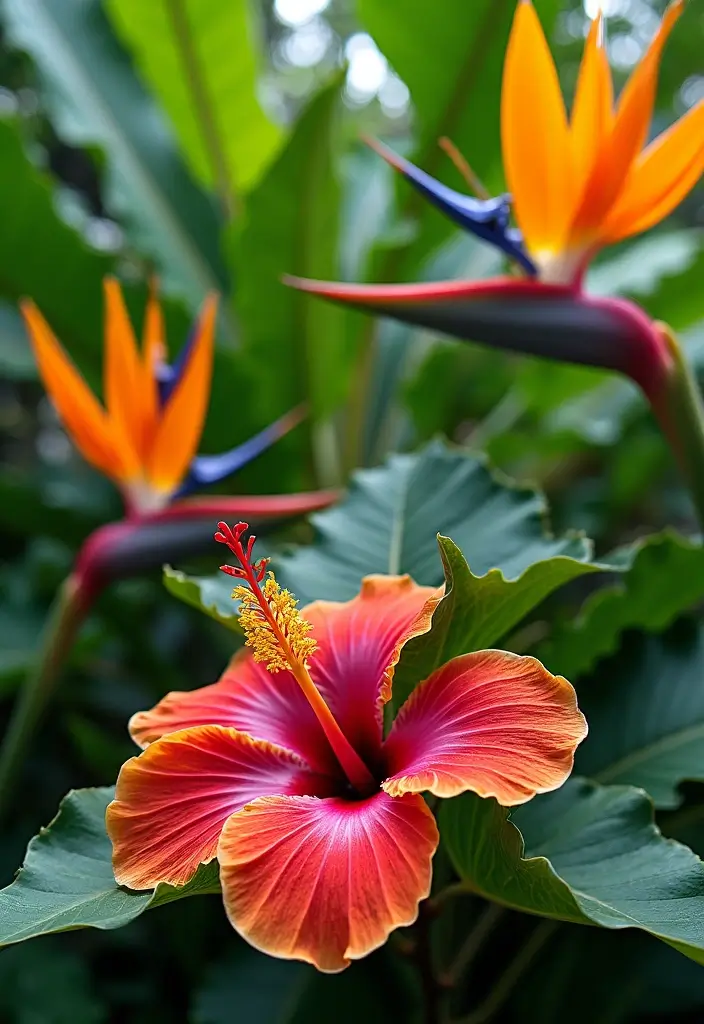
You want a tropical front yard that stays easy to care for. Here is a plan you can trust.
A tropical bed adds a vacation feel right outside your door. Picture hibiscus with bold red blooms, birds of paradise with dramatic blooms, and tall banana plants. These choices bring bright color, unique shapes, and a lush look.
Why it works for a low maintenance garden. Once established, they need less water and little fuss than many other plants. They still crave sun and steady warmth. You keep care simple and steady.
– Color and contrast: Pair bright hibiscus with dark green leaves for a strong pop.
– Height and depth: Add decorative pots to create vertical interest and fill gaps.
– Sun and water: Place in full sun. Water deeply during the growing season.
Next steps: prep the soil with compost. Mulch to keep roots cool and moist. Set a light weekly check to spot pests or dry soil.
Here are simple tips to help you get ready. Use well-drained soil. Space plants for room to grow. Water at the roots, not the leaves. In fall, trim faded blooms and mulch.
A tropical bed stays bold without turning messy. With smart placement, you get warm beauty that lasts with little effort.
10. Tropical Touch
Editor’s Choice


Bird of Paradise Plants Live (4-Pack), Strelitzia Plants with Perennial …
Amazon$30.99
DeeCoo 3 Piece Ceramic Plant pots Indoor Pots Set with Drainage Holes, 5…
Amazon$16.9911. Bordering Beauty
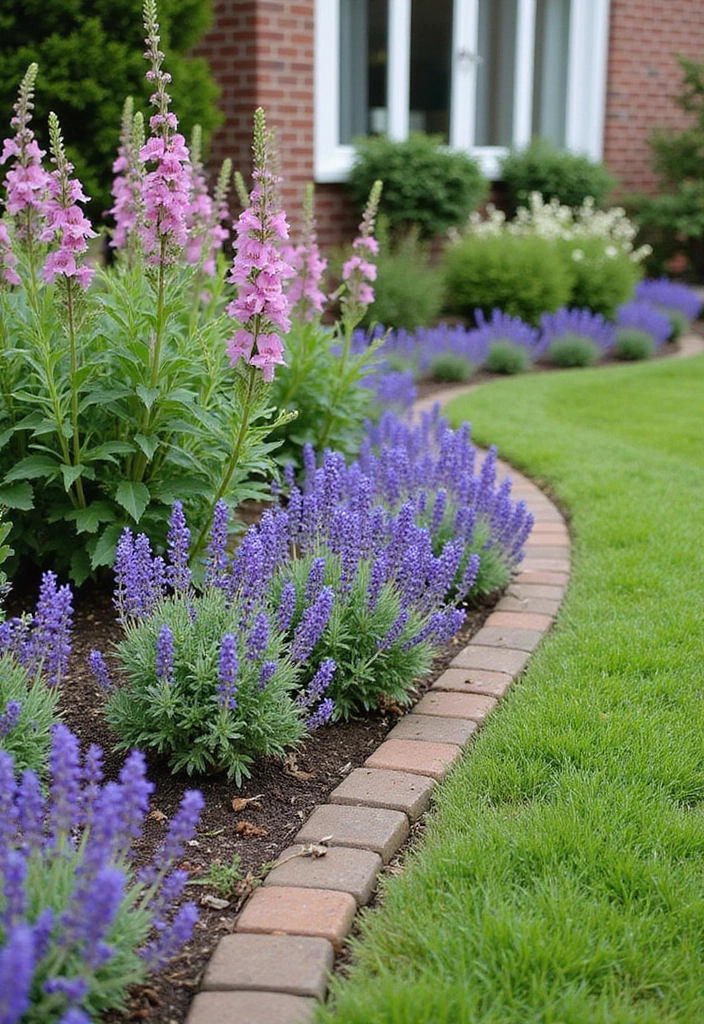
Borders give beds a clear edge, and that edge saves time. You see where the flowers begin and where the lawn ends. A neat border also makes the whole yard feel larger because the lines are clean.
Border plants like lavender, salvia, and foxgloves are easy to work with. Lavender stays compact and gives a calm scent. Salvia adds color and a vertical line. Foxgloves bring height in the back so your border looks full without crowding the front.
Here is why borders help with low maintenance: they trap mulch, reduce weed growth, and guide you to trim only the right spots.
Tips:
– Choose lower-growing plants for the front and taller ones for the back.
– Use contrasting colors to make each border pop.
– Keep your borders well-mulched to minimize weed growth.
Next steps you can take today:
– Plan a border width of 6 to 12 inches so you can mow.
– Check plant sizes and space accordingly.
– Add a simple edging like a shallow trench or brick to keep the line steady.
With a little planning, borders finish your yard with minimal work. You gain structure, maintenance, and a polished look that lasts. That steady line helps colors change with the seasons.
11. Bordering Beauty
Editor’s Choice

33ft. Galvanized Steel Landscape Edging (10-Pack) – 40″ Metal Edging for…
Amazon$68.39
Back to the Roots 25.7qt (1 Cubic ft) Organic Premium Mulch
Amazon$28.99
Garden Tools Set, 8 Piece Gardening Tools Set with Non Slip Ergonomic Ha…
Amazon$16.8812. Grouping for Impact
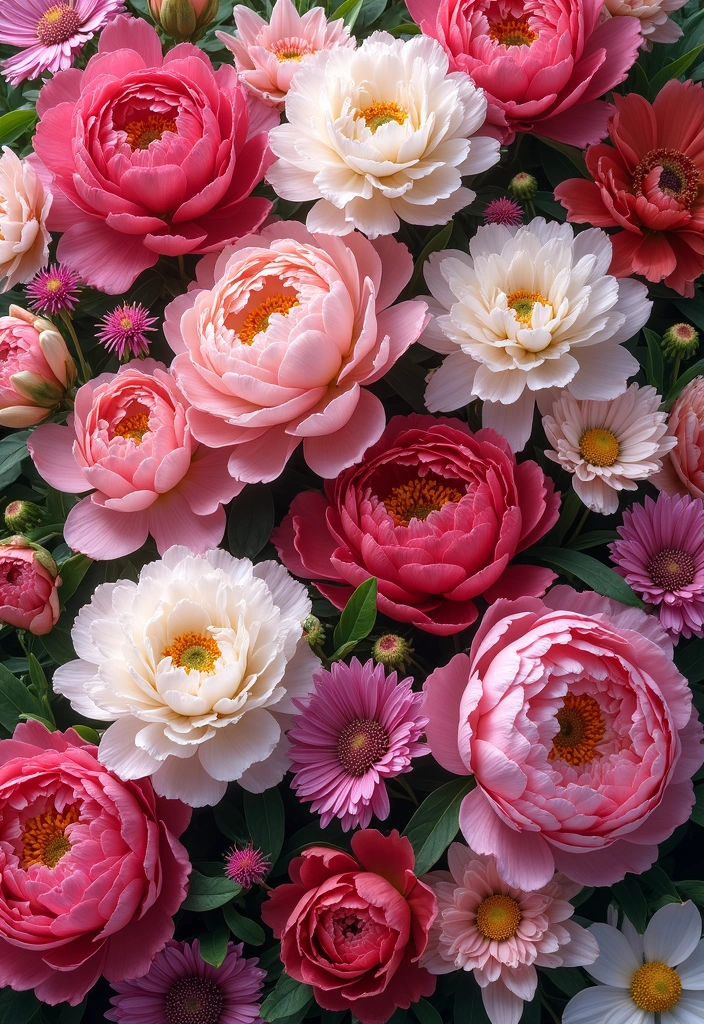
You want a front yard that grabs the eye without extra work. Grouping flowers makes that happen. It creates a bold, cohesive look that is easy to care for.
Think in clusters rather than single stems. Picture three or five plants in a small pocket of soil. Peonies, lilies, and asters work well together for color and texture.
Here is why this method helps your yard. A single plant can look small and scattered. A group looks complete and bright. It draws the eye to a chosen spot, making your yard feel intentional.
Suggestions:
– Cluster plants in odd numbers for a natural feel.
– Use contrasting colors to create instant drama.
– Vary heights to add depth and keep the bed from looking flat.
Grouped beds act as a strong focal point. You can place them along the walk, at the curve of the border, or near the porch to invite guests in.
Next steps. Start by planning on paper. Sketch the front bed and mark where each group will go. Pick three plant kinds and keep them in the same cluster to simplify care. Prepare soil, add mulch, and plant the three plants together in one rounded group. Water after planting and watch how the bed fills in.
12. Grouping for Impact
Editor’s Choice

Miracle-Gro Organic Outdoor Potting Mix, for Outdoor Container Plants, C…
Amazon$9.59
Back to the Roots 25.7qt (1 Cubic ft) Organic Premium Mulch
Amazon$28.99
Gardening Tools 9-Piece Heavy Duty Garden Hand Tools with Fashion and Du…
Amazon$34.9913. Whimsical Wildflowers
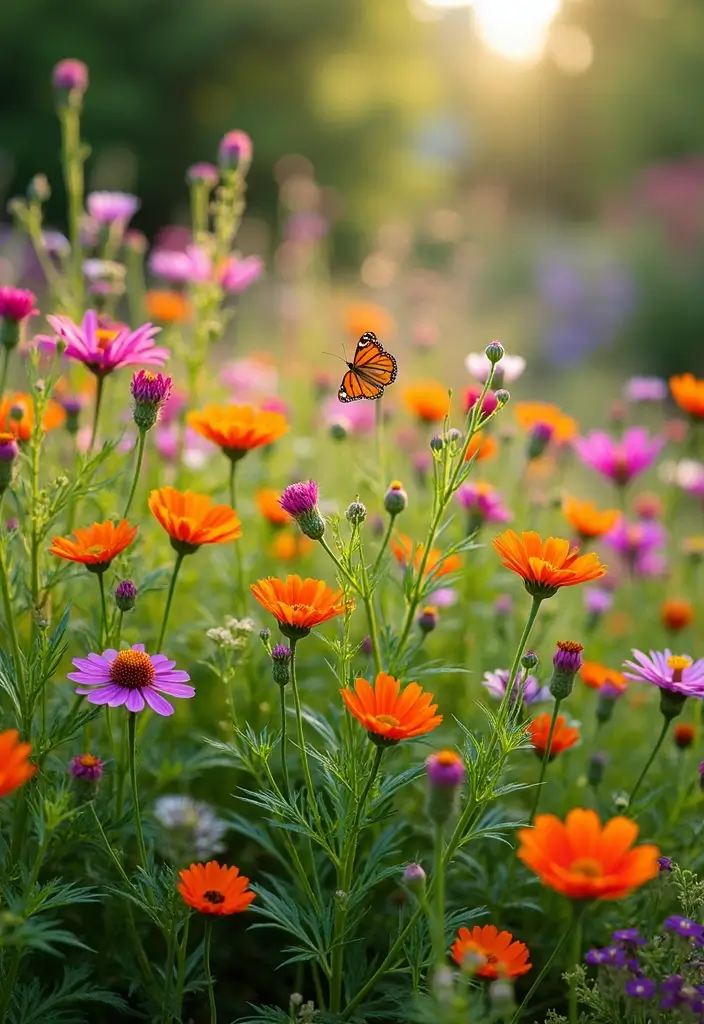
If you want a front yard that looks natural but stays easy to care for, try a wildflower bed. A mix of butterfly weed, cornflowers, and cosmos brings color that shifts with the seasons. It invites bees and butterflies to hover by, and it won’t demand constant work from you.
Here’s how to get that relaxed, garden-y feel without the heavy upkeep.
– Start with native wildflowers that fit your sun and soil. They adapt better and need less water.
– Prepare a light seed bed. Clear the turf, loosen the soil, and mix in a little compost for gentle drainage.
– Plant wisely. Sow seeds evenly and press them gently into the soil, or plant a few small plugs in spring for quicker color.
– Water smartly. Give a good soak until roots settle, then rely on regular rain and occasional deep watering.
– Mulch after you plant. A thin layer keeps weeds down and the soil cool.
– Let some plants go to seed. This helps the bed renew itself and saves you future planting trips.
Seasonal rhythm keeps the bed lively without extra effort. Spring greens give way to midsummer blues and purples, then warm yellows in late summer. By fall, seed heads stay tall and feed visiting birds.
Tips:
– Choose native seeds for best results.
– Pick a sunny, well-drained spot.
– Allow a portion to self-seed for year-round interest.
Transform your front yard with whimsical wildflowers! A low maintenance flower bed invites nature’s beauty while giving you more time to enjoy it. Embrace the colors of the seasons without the hassle!
13. Whimsical Wildflowers
Editor’s Choice

California Wildflower Mixture – Bulk 1 Ounce Packet – Over 7,000 Native …
Amazon$9.99
Ribbon Organics OMRI Certified Organic Compost Size: 7.9 Gallons, 32-35 …
Amazon$55.99
Back to the Roots 25.7qt (1 Cubic ft) Organic Premium Mulch
Amazon$28.9914. Vertical Garden Vibes
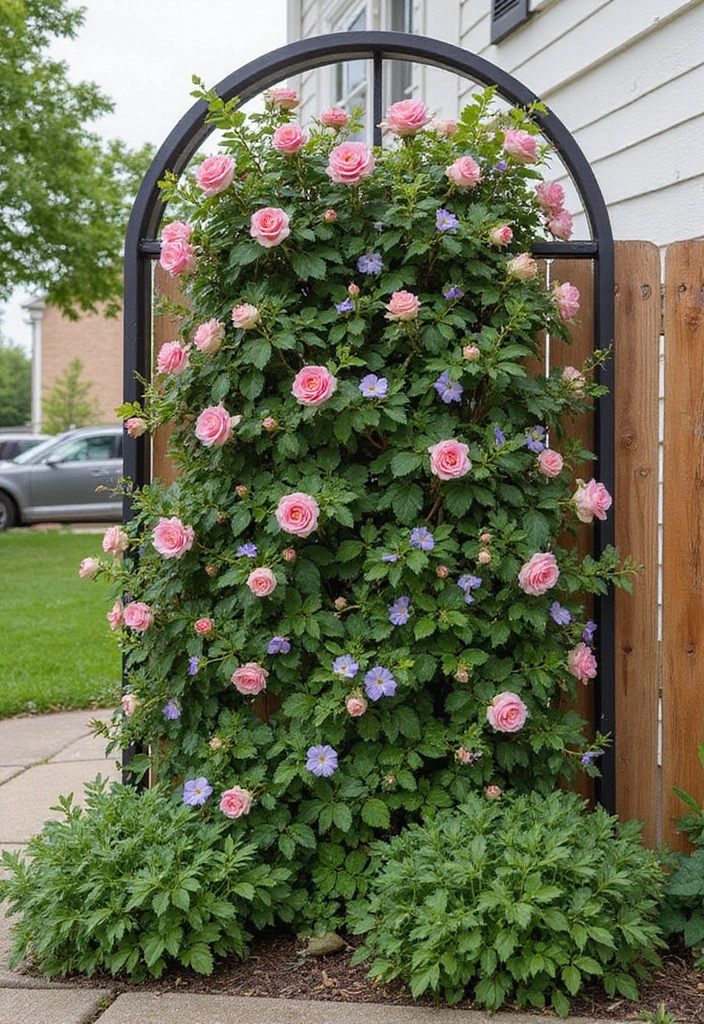
If your front yard feels tight, vertical gardening can solve a lot. You get color and texture without crowding the ground. A wall planter or sturdy trellis acts like a second garden on a wall. Train climbing roses, sweet peas, and morning glories to rise up it. The result adds height and draws the eye.
Here is why vertical beds work. They define space in a small yard. They mask unsightly walls and create a focal point you can enjoy from the porch. It’s simple to swap plants with the seasons.
– Choose a strong trellis or wall frame that can hold the weight of mature vines.
– Use wall planters or brackets so soil sits near the wall and drains well.
– Mix flowering climbers with trailing varieties to add depth and movement.
– Place the garden where you can see it from doors, windows, and seating.
Next steps:
– Prep the wall: clean the surface, check anchors, and install hardware firmly.
– Pick a sunny spot that fits the plants you want to grow.
– Plant climbers in pots or planters and guide them to climb the trellis.
Maintenance tips:
– Water regularly but avoid soggy soil.
– Check ties, prune after blooms, and keep the vines tidy.
The result is a lively feature that makes a small yard feel bigger and more welcoming.
14. Vertical Garden Vibes
Editor’s Choice

RUBFAC 94″ Metal Garden Arch Trellis for Climbing Plants Outdoor, Garden…
Amazon$19.99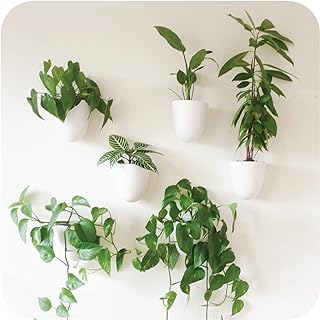
PlantPod Luxe – Self-Watering Wall Planters (Set of 6) – Easy to Water a…
Amazon$36.95
VELCRO Brand Adjustable Plant Ties | 75 ft x 1/2 in Green Garden Tape | …
Amazon$7.4715. Fall Foliage Flair
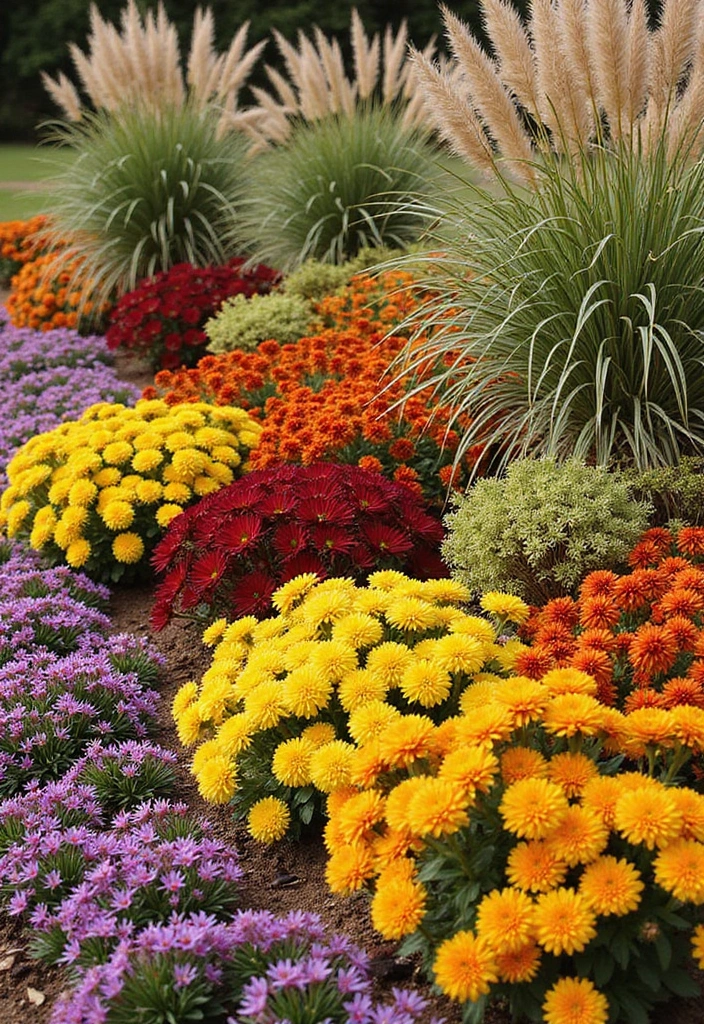
Want a front yard that stays pretty as the air cools? Fall color comes from hardy plants that love cooler weather. Chrysanthemums, sedums, and fall asters give a bright burst as the season changes. They are tough, require little care, and stay neat with little work.
Here is why they work in an easy care bed. They resist light frost and stay bold from late summer through late fall. They take sun well and need little extra water once they settle in. They mix nicely with other textures.
What to plant
– Chrysanthemums (mums): come in gold, orange, burgundy. They bloom strong in autumn and fill space fast.
– Sedums: low mounds with pink, red, or bronze tones. They stay compact and soften edges.
– Fall asters: small daisy flowers in purple, pink, or white. They add a bright pop of color.
How to arrange
– Plant in groups for maximum impact. Do clusters of 3 to 5 plants in a bed corner.
– Mulch with 2 inches of shredded bark or compost mix. It warms roots and keeps weeds down.
– Pair with ornamental grasses for texture and wind movement. Choose soft blades that catch the light.
Next steps: pick a sunny, well drained spot. Mark three to five groupings. Plant this weekend. Water deeply until roots settle. Then sit back and enjoy a season of color.
Fall in love with low maintenance flower beds in front of your house! Let hardy blooms like chrysanthemums and fall asters bring vibrant color with minimal effort as the season changes.
15. Fall Foliage Flair
Editor’s Choice

Live Flowering Hardy Chrysanthemum – Yellow – Colorful Fall Mums – 15″ T…
Amazon$18.56
Sedum Tile, Live Sedum Succulent Planter, Stonecrop Plant Sedum Mat, Pre…
Amazon$33.92
Live Flowering Aster – Shades of Purple, Beautiful Fall Perennial, 12” T…
Amazon$19.99You Might Also Like
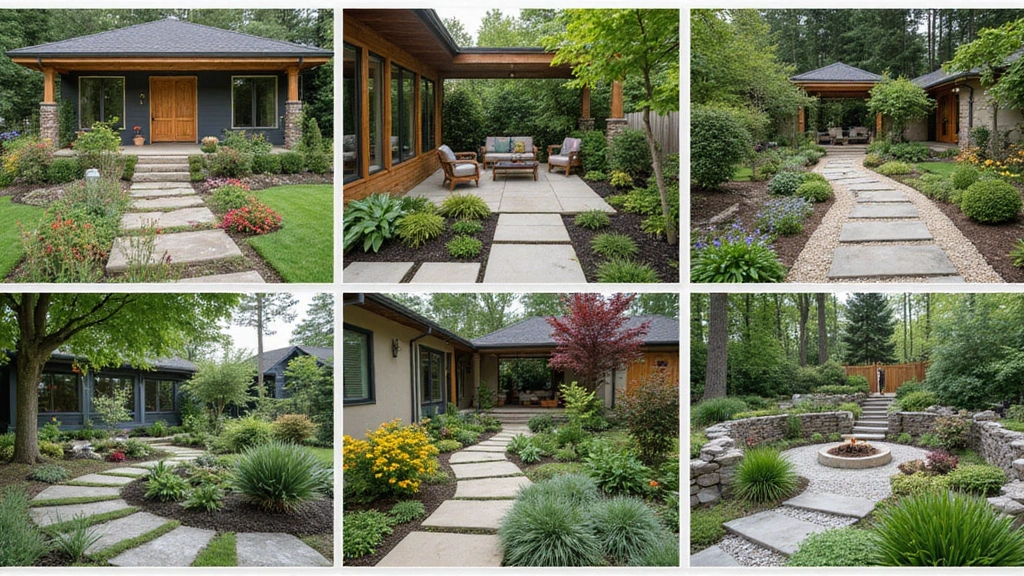
16. Color Wheel Design
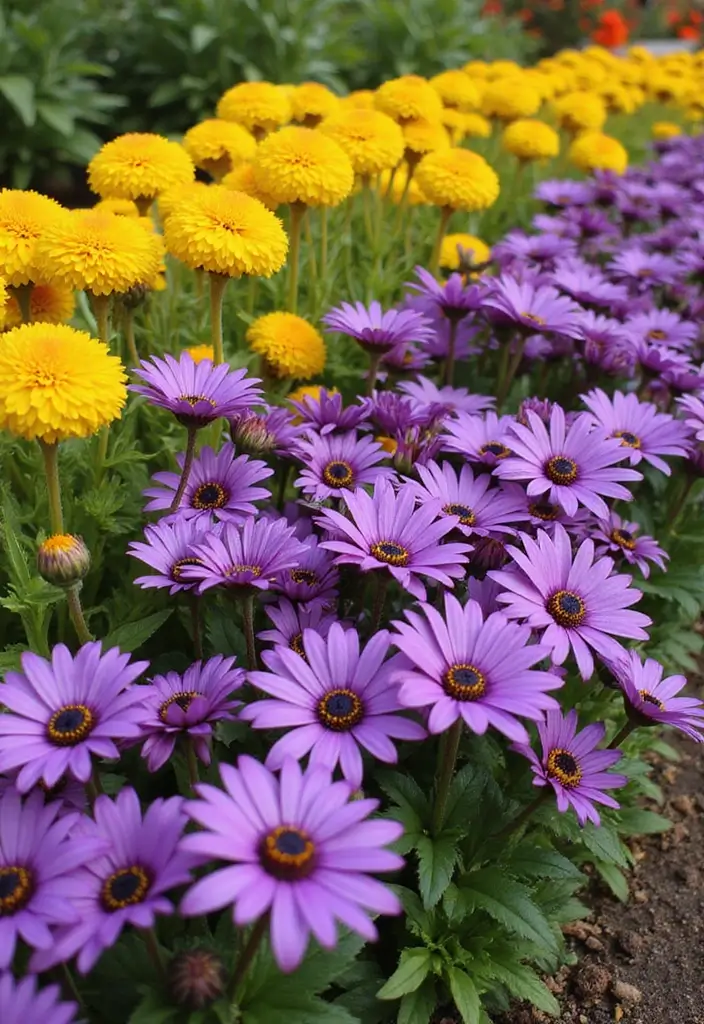
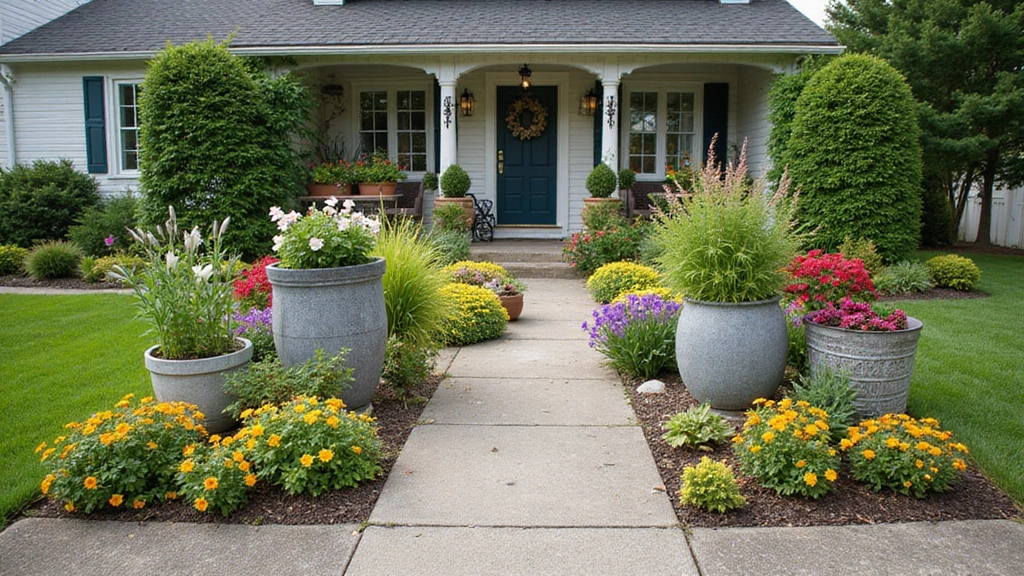
Color wheel design helps you set up a bed that looks intentional and easy to care for. When you place blooms by color, the pattern reads clearly. Use opposite colors for a spark, or neighboring hues for a softer look.
Here is why it works: you get balance, not chaos. The wheel guides you to mix cool and warm tones so the bed stays lively. It also helps you space blooms so color lasts from spring to fall.
Plan your palette
– Pick 2-3 main colors before you buy. A tight palette stays neat as it fills in.
– Add a splash of a third color as an accent. It catches the eye without shouting.
– Pair cool tones with warm ones to add depth.
Practical picks
– Use perennials for a steady base and add a few annuals for quick color changes. This keeps color moving all season.
– Place bigger blooms toward the back or center and smaller ones at the edges. It boosts visibility.
– Include a scented plant, like lavender, to add aroma as you walk by.
Insights:
– Plan ahead and plant with that palette in mind. A clear scheme looks intentional all season.
– Prune regularly to keep colors fresh.
– A color wheel can turn a plain bed into a small art piece in your front yard.
Next steps.
16. Color Wheel Design
Editor’s Choice

Color Wheel Gardener’s Helps Gardeners Create Exciting Color Combination…
Amazon$13.05
300+Mixed Lisianthus Flower Seeds for Planting Outdoor-Perennial Eustoma…
Amazon$5.99
Live Aromatic and Edible Herb – Lavender (6 Per Pack), Natural Sleep Enh…
Amazon$32.8017. Herbs in Bloom
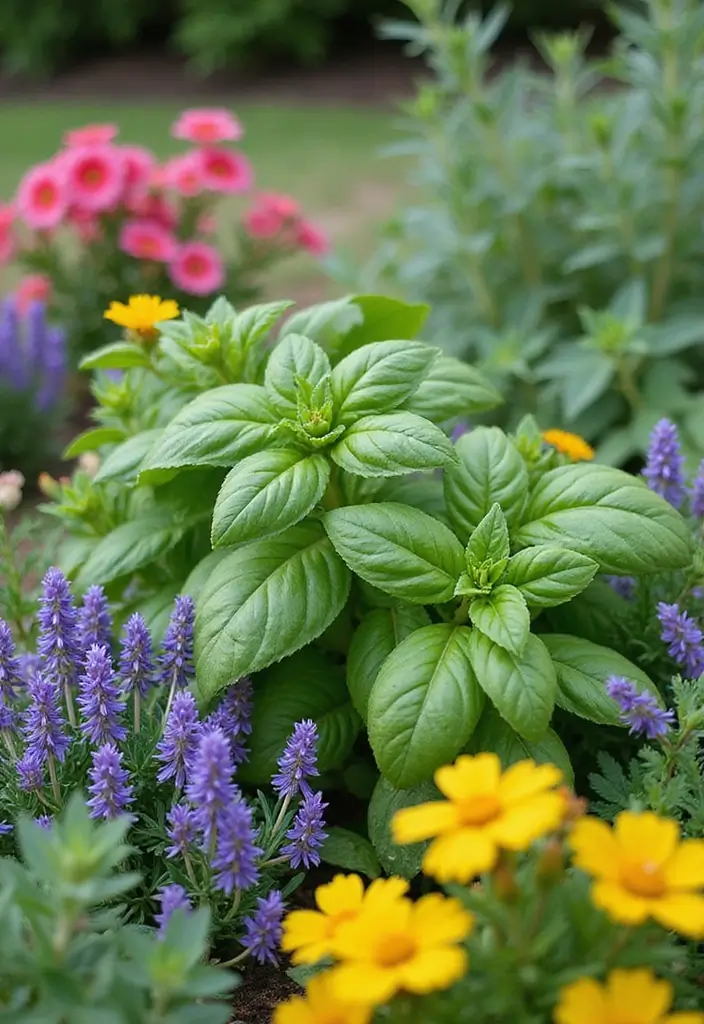
You want a front yard that looks nice and gives you fresh herbs with little work. Here is why herbs in bloom fit a low maintenance bed. They add color and fragrance without heavy upkeep. They stay compact and easy to care for, and they pair well with bright flowers.
Let’s break it down:
– Plant herbs near pathways for easy snips.
– Pair with flowers that attract pollinators for added life.
– Regularly harvest herbs to encourage growth and keep their shape.
Next steps:
– Choose basil, rosemary, and thyme. They work well in sun and well-drained soil.
– Place a small herb patch where you can reach it from the door and garden path.
– Mulch lightly and water deep once a week to keep roots happy.
Herbs stay low key but bring big wins. Basil gives a fresh scent, thyme adds a tiny green carpet, rosemary stays evergreen in milder winters. When your herbs and flowers bloom together, you get texture, color, and a usable harvest all season. This approach keeps your front yard welcoming without adding clutter.
17. Herbs in Bloom
Editor’s Choice
GardenStraw, 3 cu ft (20 lbs) Pack of 1 – All-Natural Mulch for Gardens,…
Amazon$39.99
Indoor Self Watering Planters with Drainage Holes and Saucers, 8, 7, 6.5…
Amazon$19.9918. Seasonal Switch-Up
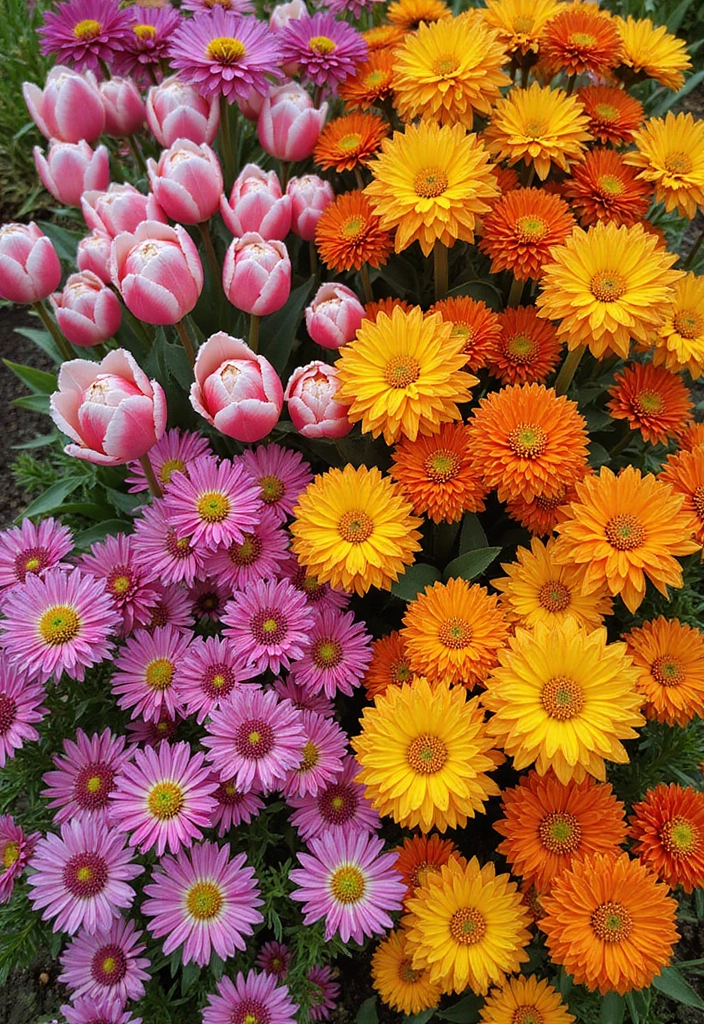
Your front yard can stay fresh all year with a simple plan. A seasonal switch-up helps you keep color flowing from spring to fall. You guide the look by bloom time and smart foliage. Here is how you do it.
– Plan three bloom windows: spring, summer, and autumn. This gives you a steady flow of color.
– Spring starts with bulbs. Plant tulips and daffodils in the fall so they push through as the days warm. Add light greens and small grasses to soften the bed.
– Summer shines with bright picks. Dahlias, zinnias, and coleus bring bold color. Group them where you walk most so you see large patches of hue.
– Autumn rounds out the show. Asters, mums, and grasses add warm tones as nights cool. Let their leaves add texture after flowers fade.
– Easy foliage keeps it lively. Choose plants with good leaves that stay pretty even when they aren’t blooming.
Tips:
– Plant bulbs in fall for spring color.
– Group plants by their blooming season for a planned look.
– Use foliage varieties that stay attractive year-round.
This plan makes your garden feel new without extra work and gives you color you can enjoy all season.
Transform your front yard with a seasonal switch-up! Plan for blooms in spring, summer, and autumn, and enjoy a stunning display that keeps your garden vibrant all year long.
18. Seasonal Switch-Up
Editor’s Choice

TABOR Tools 3-Piece Bulb Planting Garden Tool Set D123A
Amazon$24.99
Burpee Wildflower 25,000 Bulk, 1 Bag, 18 Varieties of Non-GMO Flower See…
Amazon$6.8119. Artistic Arrangements
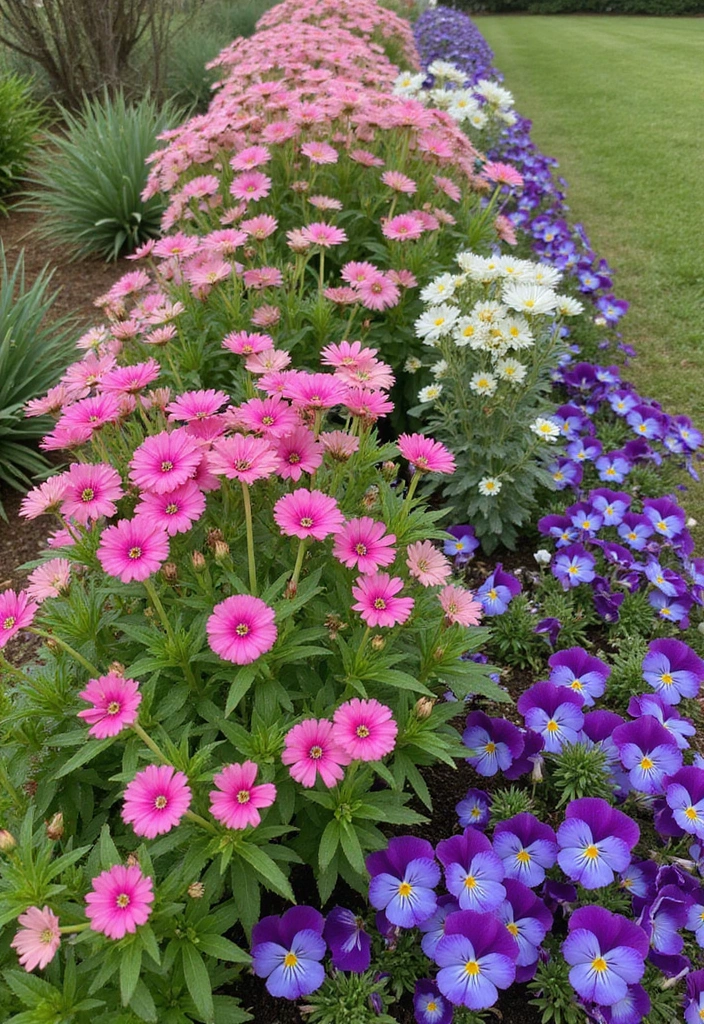
You want a front yard that looks like a living gallery, but you don’t want heavy maintenance. A well arranged bed stays colorful and neat with simple choices. Here is why layering plants matters. By stacking height, texture, and color, you get rhythm and easy care from spring to fall.
Here is how to plan it:
– Create three height levels: tall, middle, low. Try tall options such as phlox or foxglove. In the middle, place daisies or coneflowers. For the ground layer, pick pansies, creeping thyme, or alyssum.
– Pick a clear focal point plant. It anchors the bed and draws the eye.
– Group plants in odd numbers. Three, five, or seven of each type feel natural and balanced.
Suggestions:
– Choose a focal point plant for added drama.
– Use odd numbers for groupings to enhance flow.
– Include decorative pieces like small statues or stones for charm.
Finish with practical touches:
– Mulch to cut weeds and keep moisture steady.
– Edging keeps lines clean.
– A simple drip line or soaker hose makes care easy.
Next steps: plan color harmony and bloom timing. Pair cool tones with warm accents and stagger flowering. With these steps, your front yard becomes a living display you can enjoy daily.
19. Artistic Arrangements
Editor’s Choice
Back to the Roots 25.7qt (1 Cubic ft) Organic Premium Mulch
Amazon$28.99
Rain Bird DRIPKITBAG Drip Irrigation Repair and Expansion Kit
Amazon$31.47
100ft,1.5in Tall Landscape Edging Kit with 150 Spikes, No-Dig Flexible P…
Amazon$42.2820. Zen Garden Serenity
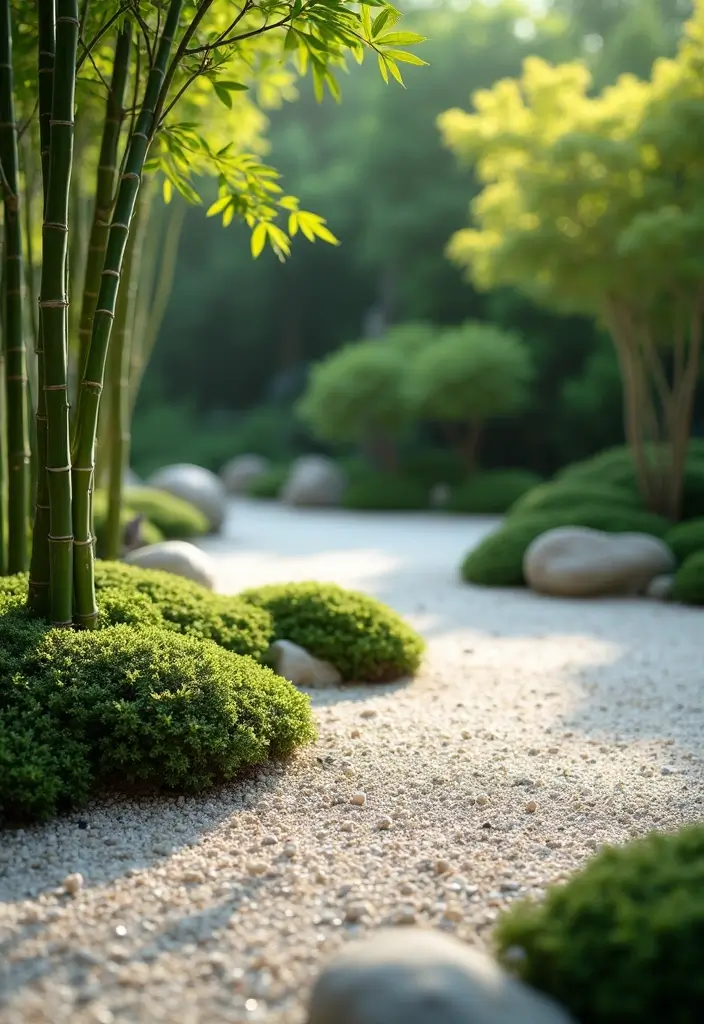
If your front yard feels busy, you crave calm. A Zen garden gives you a quiet, low maintenance space you can enjoy daily.
Start with a simple canvas: pale sand or fine gravel. Add a few small plants that stay neat and easy to care for, like bamboo shoots, a tiny Japanese maple, and blue fescue. The mix adds soft texture and year‑round color without a lot of work.
This style turns the yard into a calm stage. Sand or gravel stays tidy with little effort. Use your rake to draw lines that catch the light and guide your eye slowly across the scene.
Tips:
– Use raked patterns in the sand for a meditative touch.
– Select stones that match the size and color of your plants.
– Keep the layout clean and uncluttered for maximum serenity.
To build it: plan a small area in front of your home. Lay a smooth base of sand or gravel. Place 2–3 compact plants such as bamboo, a petite Japanese maple, and blue fescue. Water well during the first weeks, then let the soil dry a bit between waterings. Mulch lightly to keep weeds down.
Limitations: Zen gardens shine in quiet spaces and light sun or light shade. They need little upkeep but you will rake, prune, and refill sand occasionally. They work best when you keep paths and plants simple and neat.
With time, your front yard becomes a peaceful retreat you can enjoy all year.
20. Zen Garden Serenity
Editor’s Choice

Japanese Red Maple, Compact, Deciduous, Bright Red Leaves, 3 gal, Nurser…
Amazon$49.99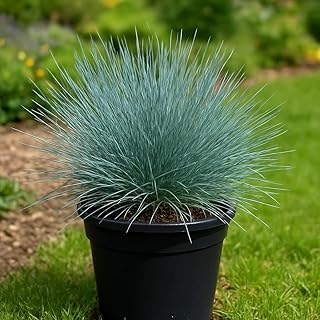
Perennial Farm Festuca Glauca ‘Cool As Ice’ (Blue Fescue) – Live Grass i…
Amazon$16.99
Voulosimi 12 LBS River Rock Stones, Natural Decorative Polished Mixed Pe…
Amazon$23.99Conclusion
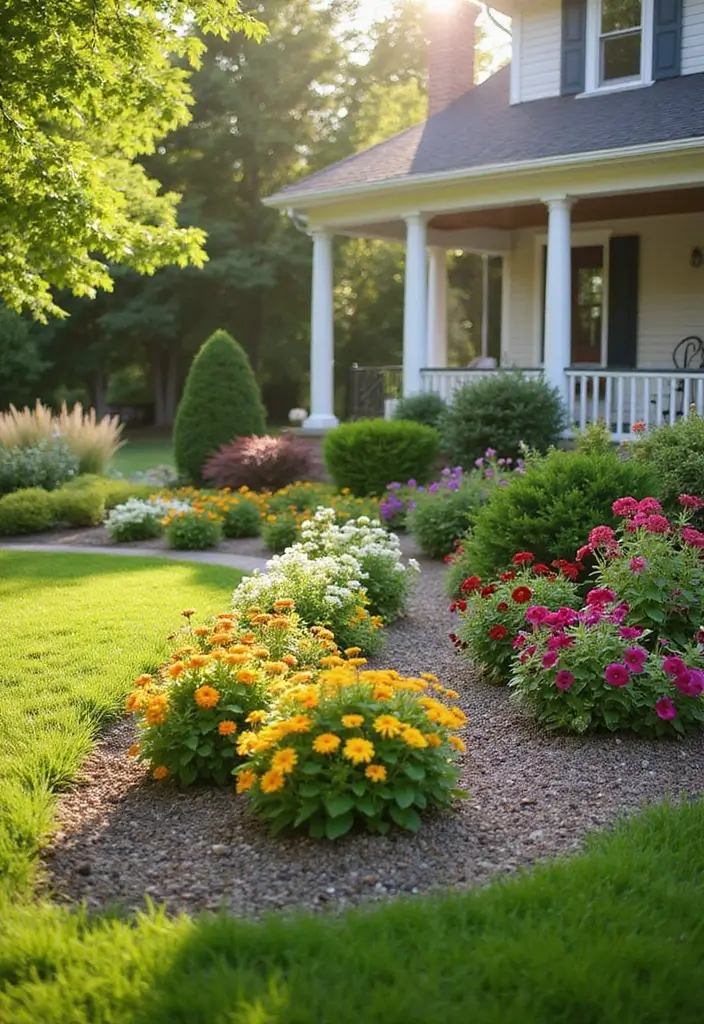
Transforming your front yard with low maintenance flower beds is not just a dream; it’s entirely achievable!
Whether you lean toward colorful perennials, edible gardens, or serene Zen designs, the options are endless.
With just a bit of planning and creativity, you can create a stunning outdoor space that requires minimal upkeep while showcasing your personal style.
Note: We aim to provide accurate product links, but some may occasionally expire or become unavailable. If this happens, please search directly on Amazon for the product or a suitable alternative.
This post contains Amazon affiliate links, meaning I may earn a small commission if you purchase through my links, at no extra cost to you.
Frequently Asked Questions
What are the best low maintenance flower beds for beginners?
If you’re just starting out, you might want to consider perennials and native plants for your low maintenance flower beds in front of your house. Perennials like lavender and daylilies come back year after year with minimal care. Native plants are adapted to your local climate, making them easier to grow and maintain. Just remember to choose a sunny spot and enjoy the beauty with very little effort!
How can I make my front yard more drought-resistant?
To create a drought-resistant flower bed, start by selecting plants that thrive in dry conditions, such as succulents, agave, and lavender. These easy-care plants require less water and are perfect for sunny spots. Additionally, using mulch can help retain moisture in the soil, reducing the frequency of watering. Your front yard can be both beautiful and water-wise!
What are some easy care plants that attract pollinators?
If you want to attract pollinators to your front yard, consider planting bee balm, coneflowers, and zinnias. These colorful blooms are not only easy to care for but also draw in bees and butterflies. By incorporating these plants into your low maintenance flower beds, you’ll create a lively and vibrant environment that supports local wildlife while adding beauty to your front of house.
Can I combine flowers and edible plants in my front yard?
Absolutely! Blending flowers with edible plants is a fantastic way to create a beautiful and functional space. Consider using herbs like basil and oregano alongside colorful flowers like marigolds or nasturtiums. This combination creates a stunning low maintenance flower bed that not only looks great but also provides fresh ingredients for your kitchen. It’s the best of both worlds!
How do I choose the right plants for shade in my front yard?
If your front yard has shady spots, don’t worry! You can still have a vibrant flower bed by opting for shade-loving plants like hostas and ferns. These plants thrive in low light conditions, adding texture and color to your space. Make sure to assess the amount of shade throughout the day and choose plants accordingly for a stunning and easy-care low maintenance flower bed.
Related Topics
low maintenance flower beds
front yard transformation
easy care plants
drought-resistant gardening
perennial plants
pollinator-friendly flowers
minimalist garden design
cottage garden style
seasonal gardening
beginner gardening tips
edible landscaping
rock garden ideas



These flower beds are amazing! I love how they can make a front yard look so inviting without a ton of work. Have you tried any of these in your own garden?
I can’t believe how beautiful #4 is! It reminds me of my neighbor’s yard, but with half the effort. Why did the gardener quit? Because he couldn’t find thyme!
Did you know some flowers can bloom even in poor soil? It’s true! I’m definitely going to try some of these ideas to brighten up my yard.